
Best Time to Paint House

Searching for the best time to paint your house? Learn when weather conditions are ideal for a lasting, beautiful finish. Discover more now.

High-quality exterior and interior painting services in Phoenix, AZ with expert craftsmanship.

Phoenix Painting Team

When to Paint Your House: Timing is Key

The best time to paint a house exterior significantly impacts the project’s success, influencing both the longevity and aesthetic appeal of the finish. Proper timing ensures that the paint adheres correctly, dries evenly, and withstands environmental stressors for years to come.

Understanding seasonal and environmental factors is crucial for any homeowner considering a repaint. Our comprehensive guide to exterior painting services highlights how external conditions directly affect paint performance and durability.

Choosing the optimal period not only enhances the visual outcome but also protects your investment. Factors like temperature, humidity, and precipitation all play a vital role, making careful planning essential for homeowners looking for Edmonton home painting services for more.

Seasonal Considerations for Painting

Understanding how different seasons affect exterior painting projects is crucial for ensuring a durable and attractive finish. While some seasons offer optimal conditions, others present unique challenges that can impact the quality and longevity of your paint job. Choosing the best time to paint a house often comes down to balancing temperature, humidity, and precipitation expectations for your region.

Each season brings its own set of environmental factors that influence how paint adheres, dries, and cures. For instance, the summer months often provide extended periods of dry weather, making them ideal for outdoor projects. Conversely, winter can introduce freezing temperatures and moisture, which are detrimental to paint application.

Spring Painting

Spring can be a good time for exterior painting, but it requires careful monitoring of weather conditions. Temperatures are generally mild, but sudden rain showers and fluctuating humidity levels can be problematic. Adequate preparation and quick drying times are essential during this season, and understanding the nuances of exterior painting services can help ensure a successful project.

  • Mild temperatures are often suitable for paint application.
  • Unpredictable rain can interrupt projects and cause issues.
  • Humidity levels can vary, affecting drying and curing.
  • The longer days allow for more work time, but dew can still be an issue.

Summer Painting

Summer is often considered the prime season for exterior painting due to long daylight hours and consistently warm, dry weather. However, extreme heat can cause paint to dry too quickly, leading to lap marks and poor adhesion. It’s important to choose the right time of day and consider products designed for high-temperature application, or consult with professionals for commercial exterior painting.

Summer offers the most favorable conditions for painting due to consistent warmth and lower humidity. This allows paint to dry and cure properly, minimizing the risk of issues like peeling or blistering. For those considering outdoor projects like decks or fences, exploring professional deck and fence staining is a great option during these months.

Summer offers the most favorable conditions for painting, with long daylight hours and typically low humidity. However, extreme heat can cause paint to dry too quickly, leading to lap marks and an uneven finish. It’s important to choose the right time of day for application, perhaps early morning or late afternoon, and consider professional exterior painting to manage these conditions effectively.

Summer offers the most favorable conditions for painting, with warm temperatures and low humidity generally leading to faster drying and curing times. However, extreme heat can also pose challenges, potentially causing paint to dry too quickly on the surface, leading to lap marks or an uneven finish. It’s important to consider these factors when planning your project, and our home painting Edmonton guide can offer further advice.

Summer is often considered the prime season for painting due to its consistent warmth and lower humidity, which promotes faster drying and curing. However, extreme heat can sometimes cause paint to dry too quickly, leading to lap marks or an uneven finish. For optimal results, it’s best to paint during the cooler parts of the day, such as early morning or late afternoon, and to consider the different types of paint finishes available for your project.

Summer is often considered the prime season for exterior painting due to its consistently warm temperatures and lower humidity. This allows paint to dry and cure properly, leading to a more durable finish. However, extreme heat can also pose challenges, potentially causing paint to dry too quickly and leading to application issues. For those considering a change, exploring painting versus wallpaper can be a good starting point for home improvement projects.

Summer is frequently considered the best time to paint a house exterior due to consistently warm and dry weather. This season minimizes the risk of moisture-related paint failures and allows for optimal curing. However, extremely high temperatures can also pose challenges, such as paint drying too quickly, leading to brush marks or poor adhesion.

For those living in northern climates, late summer can be an excellent choice for curb appeal paint projects for more. The stable weather patterns during this period are conducive to achieving the best results for your home’s exterior.

ProsCons
Consistent warm temperaturesVery high temperatures can cause paint to dry too quickly
Low humidityIntense sun exposure can affect paint application
Longer daylight hoursPotential for afternoon thunderstorms in some regions

Autumn Painting

Autumn offers a window of opportunity for exterior painting, particularly in early to mid-fall. The cooler temperatures and lower humidity can be ideal for paint application, allowing it to cure properly without drying too fast. However, as the season progresses, the risk of frost and dew increases, which can negatively impact the finish. Understanding how weather affects exterior painting during this time is key.

The shorter daylight hours mean that painters have less time to work, and surfaces must be dry before evening dew sets in. This season often provides the best time to paint a house if you can complete the work before the colder weather fully arrives.

  • Mild temperatures are often optimal for paint curing.
  • Lower humidity levels reduce the chance of blistering.
  • Shorter days mean less time for painting each day.
  • Risk of morning dew and evening frost increases as fall progresses.

Winter Painting

Painting your home’s exterior in winter is generally not recommended due to cold temperatures and high moisture levels. Most paints require specific temperature ranges for proper application and curing, and freezing conditions can cause paint to crack, peel, or fail to adhere. While interior painting can proceed year-round, exterior projects are best postponed until warmer months.

If unavoidable, specialized cold-weather paints might be an option, but professional consultation is highly advised. Otherwise, winter is an excellent time to plan your project, choose colors, and get estimates for when the best time to paint a house returns in spring or summer.

The Impact of Temperature and Humidity

Understanding how ambient temperature and humidity levels directly influence paint application and drying times is critical for any exterior painting project. This section covers ideal temperature ranges, the challenges posed by high humidity, and the critical effects of frost on paint adhesion, reinforcing why timing is crucial for the best time to paint a house, and how different paint types like latex or oil can be affected.

Ideal Temperature Ranges for Painting

For optimal results, exterior paint typically requires specific temperature conditions. Most paint manufacturers recommend applying paint when temperatures are between 10°C and 29°C (50°F and 85°F). Painting outside these ranges can lead to various issues, from poor adhesion to uneven drying. Our team highlights that maintaining the right temperature during application and curing is key for a durable finish. Choosing the best time to paint your home exterior means considering the daily temperature fluctuations in your area.

It’s also important to check the temperature of the surface being painted, not just the air temperature. Surfaces exposed to direct sunlight can be significantly hotter than the ambient air, while shaded areas might be cooler. This is particularly relevant when deciding on the best time to paint a house in Edmonton, where conditions can vary widely.

Humidity’s Effect on Drying

High humidity levels can significantly impede the paint drying process. When the air is saturated with moisture, solvents in the paint evaporate more slowly, prolonging drying times and potentially causing paint to sag, drip, or even mildew. For exterior projects, humidity levels between 40% and 70% are generally considered ideal. Avoiding days with very high humidity, especially during the spring and fall, will help ensure your paint cures properly and provides a lasting finish. When planning your project, consider the impact of weather woes on your Edmonton project for more.

Low humidity, on the other hand, can cause paint to dry too quickly, leading to brush marks, poor adhesion, and premature cracking. Striking the right balance is essential for achieving a smooth, professional-looking coat that adheres well and withstands the elements. Learning how to choose the right exterior paint for varying climates is also crucial.

Frost and Paint Adhesion

Frost poses a significant threat to paint adhesion and overall durability. Applying paint to a surface that is either frozen or likely to freeze shortly after application can lead to severe paint failure. Moisture from frost can get trapped beneath the paint film, causing blistering, peeling, and poor bonding once temperatures rise. This is why late fall and early spring painting can be risky, particularly in regions prone to sudden temperature drops. Even when daytime temperatures seem appropriate, cold nights can still bring frost, jeopardizing a fresh coat of paint.

To avoid these issues, ensure that both the air and surface temperatures remain above the paint manufacturer’s recommended minimums for at least 24 to 48 hours after application. This precaution helps the paint cure fully, forming a strong, protective layer. Proper timing prevents costly rework and ensures the longevity of your exterior paint job, reinforcing why it is the best time to paint a house during warmer, stable months.

Choosing the optimal time for your exterior painting project, considering temperature and humidity, is paramount for durability and a high-quality finish.

For expert advice and professional painting services, explore our Edmonton painting services guide for more.

Ideal Paint Types for Different Seasons

Selecting the correct paint type is as crucial as choosing the best time to paint a house. Different formulations, such as latex and oil-based paints, react uniquely to varying seasonal conditions, impacting their application, drying, and long-term durability. Understanding these differences helps ensure optimal adhesion and a lasting finish for your home.

For a detailed look at the characteristics of these paints, our guide on paint types comparison: latex vs. oil offers valuable insights. Each type has specific advantages and disadvantages depending on the environment, making the right choice essential for any painting project.

When considering exterior painting, especially in climates with distinct seasons, the choice between latex and oil-based paint can significantly affect the outcome. For instance, the fast-drying nature of latex paint is often beneficial during warmer, drier periods, allowing for quicker project completion and reduced risk of weather-related issues. Our team has compiled information on latex vs oil paint: how to tell them apart.

Conversely, oil-based paints, known for their durability and hard finish, might be more suitable for certain applications or conditions where slower drying times are acceptable. The table below outlines key differences and ideal seasonal applications for these common paint types.

FeatureLatex (Water-Based) PaintOil-Based Paint
Drying TimeFast (hours)Slow (24+ hours)
FlexibilityHigh, resists crackingLow, can become brittle
Clean-upWaterMineral spirits
DurabilityExcellent for most surfacesSuperior hardness, good for high-traffic
Ideal SeasonsWarm, dry weather; lower humidityModerate temperatures; can handle cooler ends of seasons
ApplicationEasy, good flowSmooth finish, more challenging to apply
OdorLow VOC, less odorHigh VOC, strong odor
Primer NeedsOften self-primingRequires oil-based primer for adhesion

Understanding the nuances of exterior paint colors and their compatibility with different paint types and seasons is also vital. The best paint for your project depends on your specific needs, the surface being painted, and the prevailing weather conditions, all of which contribute to achieving the best time to paint a house for more.

Choosing the ideal paint type based on seasonal conditions is essential for the longevity and aesthetic appeal of your home’s exterior, ensuring your investment withstands the elements.

For professional guidance on selecting the right paints and scheduling your project, explore our Edmonton painting services guide.

Preparing Your Home for Painting

Proper preparation is paramount for any painting project, regardless of the season. Achieving the best time to paint a house involves more than just ideal weather; it requires meticulous surface preparation, safeguarding surrounding areas, and employing strategic weather-resistant techniques to ensure a smooth application process and a durable finish. Deciding between painting vs wallpaper can also impact your preparation steps.

Essential Surface Preparation Steps

The longevity and appearance of your paint job heavily depend on how well the surfaces are prepared. Skipping these crucial steps can lead to premature peeling, cracking, or an uneven finish, undermining even the highest quality paint. Learning how to prep walls for painting is a fundamental skill for any homeowner or professional.

  • Cleaning: Thoroughly wash all surfaces to remove dirt, grime, mildew, and loose paint chips. A power washer can be effective for exterior surfaces, but ensure adequate drying time afterwards. Our Edmonton home painting services emphasize a clean canvas.
  • Scraping and Sanding: Scrape away any loose or peeling paint to create a smooth, uniform base. Follow up with sanding to feather the edges and ensure good adhesion for new paint.
  • Repairs: Fill any cracks, holes, or imperfections with appropriate fillers or caulk. Allow these repairs to cure completely before proceeding. Understanding how to perform these repairs is vital for Edmonton house painting projects, where weather can be harsh.
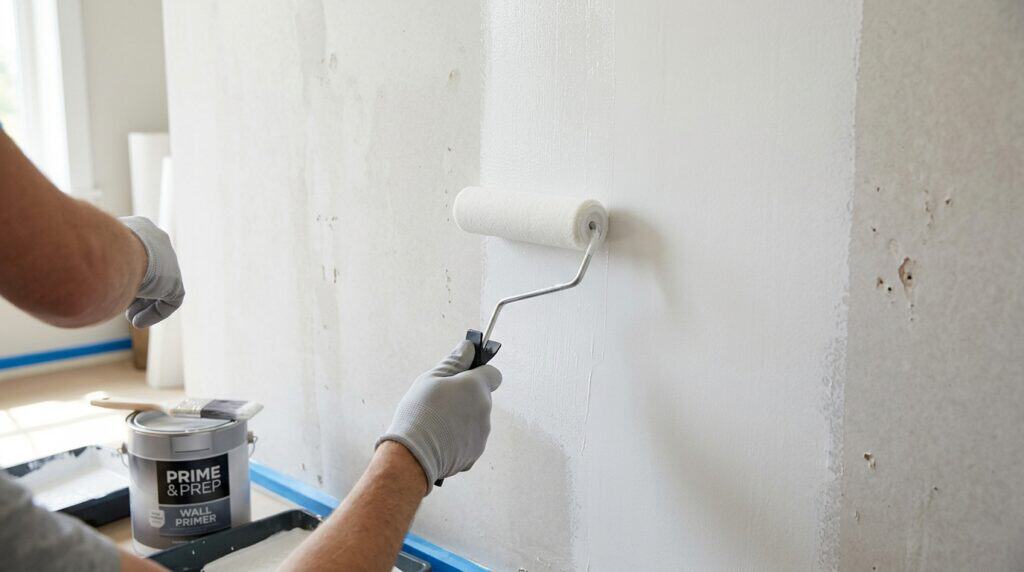
  • Priming: Apply a high-quality primer, especially on bare wood, metal, or previously unpainted surfaces. Primer creates a consistent base for the topcoat, improves adhesion, and can block stains. Our exterior painting services always include proper priming.

Protecting Surrounding Areas and Landscaping

Protecting your property from paint drips and overspray is just as important as preparing the surfaces to be painted. This proactive approach prevents damage to landscaping, patios, and other elements, saving time and effort on cleanup.

  • Cover Plants and Shrubs: Use drop cloths or plastic sheeting to shield all landscaping, ensuring they are not exposed to paint.
  • Mask Windows and Doors: Apply painter’s tape to windows, door frames, and any trim that should not be painted. This creates crisp lines and prevents accidental painting of adjacent surfaces.
  • Cover Driveways and Walkways: Lay down drop cloths or tarps on all hard surfaces beneath and around the painting area to protect them from spills.
  • Remove Obstacles: Move outdoor furniture, grills, and other movable items away from the work zone. This also provides a clear path for painters and equipment, contributing to a more efficient experience when you use our guide to choosing house painters.

Weather-Resistant Preparation Techniques

While choosing the best time to paint a house minimizes weather challenges, implementing specific preparation techniques can further safeguard your project against unpredictable conditions. This is particularly relevant in regions with variable climates, like Edmonton.

  1. Monitor Weather Forecasts: Always check the forecast for several days ahead to avoid unexpected rain, high winds, or extreme temperatures. Our Edmonton weather woes article highlights the importance of this step.
  2. Ensure Adequate Drying: After cleaning, allow ample time for surfaces to dry completely. Painting over damp surfaces can lead to blistering and poor adhesion.
  3. Consider Humidity Levels: High humidity can extend drying times and affect paint cure. Ensure conditions are within the paint manufacturer’s recommended range for optimal results.
  4. Work in Sections: Divide larger projects into manageable sections. This allows you to complete and protect areas more effectively, especially if weather conditions change suddenly. For detailed advice, consult a guide on hiring house painters for more.

DIY vs. Professional Painting Timing

When considering the best time to paint a house, homeowners often weigh the decision between undertaking the project themselves or hiring professional painters. Both approaches have distinct timing considerations and implications for the project’s success and duration.

DIY painting offers flexibility in scheduling but demands significant personal time and effort. Conversely, professional services streamline the process, though scheduling depends on contractor availability and your chosen painting company. Understanding the differences can help you determine the most efficient path for your home improvement project, especially when you consider how to choose house painters for more.

  1. DIY Painting Timing: DIY projects provide the freedom to start and stop as your personal schedule allows. However, this flexibility can extend the overall project timeline, especially if you encounter unexpected weather changes or other commitments. For instance, correctly prepping your walls for painting is a critical, time-consuming step that many DIYers might underestimate.

  2. Weather Dependency for DIY: DIY painters must meticulously monitor weather conditions, as external factors like rain, extreme temperatures, or high humidity can severely impact paint application and drying. This often means waiting for ideal windows, which can cause delays and frustration. Learning how weather affects exterior painting in Edmonton can be particularly useful for those planning their own projects.

  3. Professional Scheduling: When you hire a professional painting company, they manage the project timeline efficiently. They have crews dedicated to completing the job within an agreed-upon timeframe, often minimizing disruption to your daily life. They also navigate challenges like Edmonton weather woes with specialized equipment and experience.

  4. Expertise and Efficiency: Professionals bring expertise that often results in a faster and higher-quality finish compared to DIY efforts. They are skilled in choosing house painters and scheduling their work to avoid common DIY vs pro painting mistakes, ensuring optimal conditions for paint application and curing.

  5. Booking Considerations: The best time to paint a house in terms of professional availability often aligns with peak seasons, such as late spring and summer. Booking in advance is crucial during these times to secure your preferred dates. Our guide on hiring house painters in Edmonton provides further insights into this process.

  6. Reduced Stress and Time Savings: Opting for professional painting services can significantly reduce the stress associated with managing a large home improvement project. While the initial planning involves scheduling, the execution is handled by experts, freeing up your time and ensuring a smooth process from start to finish, including essential preparation for a professional painting company for more.

The optimal timing for painting your house exterior largely depends on whether you undertake a DIY project or opt for professional assistance, with both paths requiring careful consideration of weather and scheduling to achieve the best results.

For expert advice and efficient scheduling, explore our comprehensive Edmonton painting services guide to ensure your next painting project is a success.

Benefits of Painting at the Right Time

Choosing the best time to paint a house is not merely about convenience; it significantly impacts the outcome and longevity of your exterior paint job. Optimal timing ensures the paint adheres properly, cures effectively, and withstands environmental stressors, leading to a more durable and aesthetically pleasing finish. This strategic approach protects your investment and enhances your home’s curb appeal for years to come.

Our team has found that adhering to the optimal painting schedule, such as utilizing the summer painting advantage, brings numerous benefits that extend beyond mere appearance. When you are hiring house painters, discussing the ideal season for your project can lead to superior results.

  • Improved Adhesion. When temperature and humidity are within ideal ranges, paint bonds better to the surface, preventing peeling and cracking. This is crucial for the longevity of your exterior finish.
  • Enhanced Durability. Proper drying and curing conditions, as detailed in our Edmonton exterior paint guide, allow the paint to form a stronger, more resilient film that resists fading, chalking, and premature wear from harsh weather.
  • Reduced Risk of Paint Failure. Painting during unsuitable conditions can lead to issues like blistering, poor coverage, and mildew growth, necessitating costly repairs or repainting sooner. Understanding how weather affects exterior painting in Edmonton is key.
  • Better Aesthetics. Optimal conditions allow for smoother application and consistent drying, resulting in a flawless finish that truly elevates your home’s appearance.
  • Cost-Effectiveness. A well-timed paint job lasts longer, reducing the frequency of repainting and saving you money in the long run. This makes it one of the best ROI home improvements you can make.

After painting hundreds of homes in the local area, we’ve found that choosing the correct season significantly extends the lifespan of the paint job. For instance, understanding the best time to paint house in Edmonton can prevent common problems associated with extreme temperatures or excessive moisture. This strategic planning also boosts the ROI deep dive repainting value of your property, enhancing both its curb appeal and market value.

Choosing the best time to paint a house ensures improved adhesion, enhanced durability, and a reduced risk of premature paint failure, maximizing your investment.

For expert advice on seasonal painting strategies or to schedule your next project, explore our Edmonton painting services guide.

Conclusion: Maximizing Your Paint Job’s Longevity

Understanding the best time to paint a house exterior is paramount for achieving a durable and aesthetically pleasing finish. Factors like temperature, humidity, and seasonal variations all play a critical role in how well paint adheres, dries, and ultimately performs over time. Ignoring these elements can lead to premature chipping, peeling, or fading, undermining your investment.

By carefully considering the ideal conditions and selecting appropriate paint types, homeowners can significantly extend the lifespan of their exterior paint job. For instance, knowing the optimal Edmonton Weather Woes can help in planning your project effectively.

For those looking to ensure their painting project is a success, consulting with experienced professionals is always recommended. They possess the expertise to navigate local climate challenges and recommend the best approach for your home. Our House Painters Edmonton: Complete Guide offers further insights.

Ultimately, a well-timed and executed paint job not only enhances your home’s curb appeal but also provides essential protection against the elements, maximizing its longevity. Discover more about ROI Painting: Boost Home Value & Appeal by prioritizing proper timing. Understanding the differences between various paint finishes, such as matte versus glossy, can also impact durability and appearance.

Maximizing the longevity of your exterior paint job requires careful consideration of environmental factors and professional application, ensuring your home looks its best for years to come.

More Posts

May 16, 2026
A paint roller, paintbrush, painter's tape, and paint can are placed on a drop cloth outside a house with blue siding.

House Painting Advice Strategies 2026

Get essential house painting advice for a stunning, lasting finish. Discover expert strategies for preparation, paint selection, and avoiding common mistakes. L
April 30, 2026
A close-up of a wall with textured cream-colored paint swatches, showing the paint's smooth application and subtle color variations.

Paint Types Comparison: Paint Types: Latex vs. Oil

Confused by paint types? Compare latex vs. oil finishes to find the best for your project. Get expert advice now.
April 13, 2026
Bright, minimalist room with textured wall design, ideal for contemporary home decor or renovation projects.

Painting vs Wallpaper: Which is Best?

Painting or wallpaper? Explore the pros and cons of each to find the perfect wall finish for your home. Get inspired now!