
Optimal Season for Exterior Painting
Determining the best time to paint a house is crucial for ensuring the longevity and aesthetic appeal of your exterior. For regions like Edmonton, this often means aligning your project with specific weather conditions to achieve the best results. Our team specializes in professional painting services that consider local climate factors.
![]()
The optimal season for exterior painting generally spans late spring, through summer, and into early fall. These periods typically offer a stable temperature range and lower humidity, which are ideal for paint application and proper curing. Avoiding extreme cold or heat is key to preventing issues like cracking, peeling, or uneven drying.
Careful planning around these seasons ensures that the paint adheres correctly and provides maximum protection against the elements. Understanding these seasonal nuances can significantly impact the durability and finish of your home’s exterior paint job.
Weather’s Impact on Paint Adhesion
Understanding how weather influences paint adhesion is crucial when determining the best time to paint a house for more. The longevity and finish of your exterior paint job depend heavily on environmental factors during application and curing. Ignoring these conditions can lead to premature peeling, blistering, or an uneven appearance, ultimately compromising the investment in your home’s curb appeal and protection.
Optimal weather conditions ensure that paint adheres properly to surfaces, cures effectively, and withstands the elements for years to come. Temperature, humidity, and precipitation each play a significant role in this delicate process. Our team considers all these variables when planning your project to deliver superior results.
Temperature Ranges for Best Results
The temperature at the time of painting significantly affects how paint dries and bonds. Most exterior paints have a recommended temperature range, typically between 10°C and 25°C. Applying paint outside these parameters can lead to various issues, so it’s important to consult a professional for the best exterior painting services.
- Too Cold: Low temperatures cause paint to dry slowly, affecting its ability to form a strong film and adhere to the surface. This can result in cracking, peeling, or a dull finish.
- Too Hot: High temperatures can cause paint to dry too quickly, preventing proper leveling and potentially leading to brush marks, blisters, or premature chalking.
- Surface Temperature: It’s not just the air temperature that matters; the surface temperature of your house also needs to be within the recommended range. Direct sunlight on a hot day can superheat surfaces, making them too hot for proper paint application.
Humidity and Moisture Considerations
Humidity levels are another critical factor influencing paint adhesion and durability. High humidity can prolong drying times, making the paint more susceptible to dirt and mildew. It also increases the risk of moisture getting trapped under the paint film.
Conversely, extremely low humidity can cause some paints to dry too quickly, leading to poor adhesion or an uneven finish. Our professional painting services carefully monitor humidity levels to ensure they fall within the optimal range for the specific type of paint being used, whether it’s latex or oil-based, as detailed in our paint sheen guide for more.
Impact of Rain and Wind
Rain is the most obvious weather concern for exterior painting. Even light rain can wash away freshly applied paint, dilute its pigments, and create streaks or drips. It’s essential to have several days of dry weather, both during and after painting, for the paint to cure properly.
Strong winds can also pose challenges, carrying dust, debris, or pollen onto wet paint, which can compromise the finish. Wind also accelerates drying, which, while sometimes beneficial, can be detrimental if it causes paint to dry too fast on complex surfaces, hindering proper leveling.
Spring: A Prime Window for Painting
For many homeowners, spring offers the absolute best time to paint a house exterior. As the cold grip of winter loosens, the milder temperatures and lower humidity levels create optimal conditions for paint application and curing. This season allows for thorough preparation without the extreme heat or cold that can compromise paint adhesion and durability. For detailed advice on choosing the right time, consult our guide to painting.
The gentle rise in temperatures during spring ensures that paint dries at a steady pace, reducing the risk of blistering or cracking. This gradual drying process is crucial for achieving a smooth, long-lasting finish. Furthermore, the absence of excessive moisture in the air helps paint adhere properly to surfaces, preventing common issues like mildew growth or poor adhesion.
Beginning your exterior painting project in spring also provides ample time for multiple coats if necessary, allowing each layer to cure completely before facing the more intense summer heat. Our team understands the unique seasonal challenges and benefits, making us well-equipped to manage your painting needs during this prime window. You can explore the guide to choosing house painters for your property.
Planning your project for spring can simplify the logistics, as professionals often have more availability before the peak summer season. This timing can also lead to more flexible scheduling and potentially faster project completion. Our comprehensive painting services are designed to meet your needs throughout the spring months.
Summer’s Advantages for House Painting
Summer often presents compelling advantages for exterior painting projects, making it a strong contender for the best time to paint a house for more. The longer daylight hours during summer mean painting crews can work more efficiently, often completing projects faster. This extended work window allows for thorough preparation, application, and drying times, which are all crucial for a durable finish.
Generally, summer brings more stable weather patterns compared to spring or fall, reducing the likelihood of unexpected rain showers that can disrupt painting schedules and compromise paint quality. Consistent warm temperatures aid in the proper curing of paint, leading to better adhesion and longevity. For those considering residential painting services, summer provides a reliable period to schedule and complete the work.
However, summer painting isn’t without its potential drawbacks. Extreme heat can sometimes be detrimental to paint application and drying. High temperatures can cause paint to dry too quickly, leading to brush marks, poor adhesion, or blistering. It’s important to monitor weather conditions closely and choose cooler parts of the day for application if a heatwave occurs. Our team carefully considers these factors to ensure optimal results, regardless of the season, and can advise on the best paint finishes for your project for more.
Fall Painting: A Good Option
While spring and summer often get the most attention for exterior painting, fall can also be a perfectly viable option for homeowners seeking the best time to paint a house for more. The cooler temperatures and lower humidity levels that often characterize autumn can create excellent conditions for paint application and curing.
However, successful fall painting requires careful consideration of weather patterns. Monitoring daily temperatures and humidity is crucial to ensure the paint adheres correctly and cures effectively, preventing potential issues like cracking or peeling later on.
Our team understands the nuances of painting in every season. For insights into cooler weather painting, explore our fall exterior painting considerations for more. We recommend looking for a stretch of several days with stable, mild weather conditions, ideally above 10°C, to allow each coat to dry properly.
The key to fall painting lies in planning and flexibility. Scheduling your project earlier in the fall increases the likelihood of encountering suitable weather windows before temperatures drop too significantly. This proactive approach helps achieve a durable and beautiful finish for your home.
When considering fall for your exterior painting project, it’s also important to think about the type of paint used. Some modern paints are formulated to perform well in slightly cooler conditions, but strict adherence to manufacturer guidelines regarding application temperature is always necessary. Our professional painting services can help you select the right materials for the season.
Why Winter is Not Ideal for Painting
When considering the best time to paint a house, winter generally stands out as the least ideal season for exterior projects. The harsh conditions common during colder months can severely compromise the quality and longevity of an exterior paint job. Freezing temperatures, heavy snow, and persistent ice present significant challenges that make proper paint application difficult, if not impossible.
Paint products are formulated to perform optimally within specific temperature ranges, and many exterior paints require temperatures above freezing for several hours after application to cure correctly. Applying paint in freezing or near-freezing conditions can lead to issues such as poor adhesion, cracking, and peeling, which ultimately diminish the aesthetic appeal and protective qualities of the coating. Our team often advises homeowners to prioritize Edmonton exterior paint guidance that doesn’t involve exterior painting.
Beyond temperature, other winter weather elements also pose problems. High humidity levels, often accompanied by snow and ice, prevent paint from drying evenly and can trap moisture beneath the paint film. This moisture can later cause blistering or mildew. Additionally, shorter daylight hours in winter limit the time available for painting, making it challenging to complete even small sections before temperatures drop or daylight fades. This is a critical factor to consider for any residential painting services for more.
Preparing surfaces for painting in winter is also a major hurdle. Surfaces must be clean, dry, and free of ice and snow for proper paint adhesion. Achieving these conditions can be exceptionally difficult, requiring extensive heating and protective measures that add complexity and cost to the project. For these reasons, postponing exterior painting until warmer, drier seasons is typically the most advisable approach to ensure a durable and high-quality finish, thereby finding the true best time to paint a house.
Key Factors Beyond Season for Painting
While seasonal considerations are vital, understanding the best time to paint a house involves looking beyond just the calendar. Specific environmental conditions, such as humidity levels, temperature ranges, and direct sunlight exposure, significantly influence how paint adheres, dries, and ultimately performs. For more details on local services, consult our Edmonton painting services guide for more.
Ignoring these factors can lead to premature paint failure, regardless of the season. Paying attention to these details ensures a durable and aesthetically pleasing finish for your home’s exterior.
Humidity’s Role in Paint Application
Humidity plays a critical role in the paint drying process and overall finish quality. High humidity can cause paint to dry too slowly, leading to drips, uneven coats, or a milky appearance, especially with latex paints. Conversely, extremely low humidity might cause some paints to dry too quickly, preventing proper adhesion and leveling. For exterior surfaces like decks and fences, understanding these conditions is key, which is why professional deck and fence staining services are so valuable.
- Ideal Range: Aim for relative humidity levels between 40% and 70% for most exterior painting projects.
- Potential Issues: Humidity above 85% can trap moisture, preventing proper curing and potentially leading to blistering or peeling.
- Monitoring: Use a hygrometer to accurately measure humidity levels before and during your painting project.
Optimal Temperature Ranges for Paint Adhesion
Temperature is another crucial element that affects paint application and longevity. Most paints have specific temperature ranges for optimal application, typically between 50°F and 85°F (10°C and 30°C). Applying paint outside these ranges can lead to various issues, including poor adhesion, cracking, and reduced durability. For instance, painting in temperatures that are too cold can slow down the drying process significantly, while painting in extreme heat can cause the paint to dry too quickly, preventing proper leveling and creating brush marks. Understanding the specific requirements for the paint you are using is essential, and you can find detailed information on paint types comparison: latex vs. oil to make informed decisions.
Temperature is another crucial factor determining the best time to paint a house. Most paints have specific temperature guidelines for application and curing. Applying paint outside these ranges can compromise its structural integrity and longevity.
- Exterior Latex Paints: Generally require temperatures between 10°C and 29°C (50°F to 85°F).
- Oil-Based Paints: Can often be applied in slightly cooler temperatures, typically between 4°C and 32°C (40°F to 90°F).
- Surface Temperature: Always ensure the surface itself is within the recommended temperature range, not just the ambient air temperature. A cold surface can hinder paint adhesion and curing. You can learn more about paint types and their specific temperature requirements.
Sunlight Exposure and Its Effects
The intensity and duration of direct sunlight can significantly impact exterior painting. While sunshine helps with drying, too much direct sun can cause paint to dry too quickly, leading to brush marks, lap marks, or premature peeling. This rapid drying prevents the paint from leveling properly and forming a strong bond with the surface.
- Avoid Direct Midday Sun: It’s often best to paint areas that are in shade or receive indirect sunlight. Plan your work to follow the sun’s movement.
- Early Morning or Late Afternoon: These times often provide gentler conditions for paint application, allowing for a more controlled drying process.
- Surface Preparation: Ensure proper surface preparation, as a well-prepared surface can better withstand varying sunlight conditions during painting.
Preparing Your Home for Painting
Proper preparation is key to ensuring a long-lasting and aesthetically pleasing exterior paint job. Before you even consider the best time to paint a house, a thorough seasonal checklist can save time and prevent costly issues down the line.
Each step in preparing your home’s exterior contributes to how well the new paint adheres and endures various weather conditions. Neglecting these crucial stages can compromise even the highest quality paint and professional application.
Here is a seasonal checklist to help prepare your home for painting:
Inspect for Damage: Begin by thoroughly inspecting your home’s exterior for any signs of damage. Look for cracked caulk, loose siding, rotting wood, and mildew growth.
Clean Surfaces: Pressure wash or hand-wash all surfaces to remove dirt, grime, mold, and loose paint chips. This is a critical step, as paint will not adhere properly to dirty or chalky surfaces. Our blog on the importance of surface preparation for painting offers more insights.
Scrape and Sand: Scrape away any peeling or flaking paint. Then, sand rough areas to create a smooth, even surface for the new paint. This ensures proper adhesion and a uniform finish.
Repair and Replace: Address any discovered damage, such as replacing rotten wood or repairing cracks in stucco or siding. Proper repairs now will prevent future issues and ensure the structural integrity of your home’s exterior.
Caulk and Seal: Apply fresh caulk around windows, doors, and trim to seal gaps and prevent moisture intrusion. This step is essential for protecting your home and improving energy efficiency.
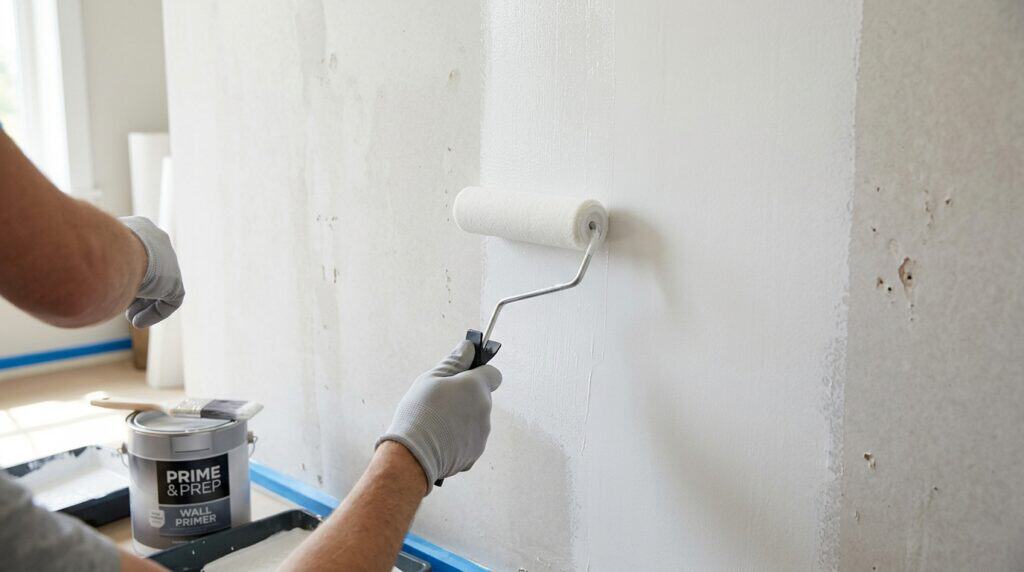
Prime Bare Surfaces: Apply a high-quality primer to any bare wood, metal, or areas where old paint has been completely removed. Primer provides a consistent base, improves paint adhesion, and helps to block stains.
Protect Landscaping and Fixtures: Cover plants, shrubs, and outdoor fixtures with drop cloths or plastic sheeting. Remove or cover light fixtures, downspouts, and other attachments that you do not want painted.
Gather Supplies or Contact Professionals: Ensure you have all necessary tools and materials if you plan to DIY. Alternatively, contact professional painting services to handle the preparation and painting process efficiently. For those in the area, consider our Edmonton home painting services for expert assistance.
Professional vs. DIY Painting Approach
Deciding between hiring professional painters and undertaking a DIY project is a crucial step when planning your home’s exterior refresh. Both approaches have distinct advantages and disadvantages that can significantly impact the final outcome and overall experience. Understanding these differences helps homeowners determine the best time to paint a house based on their resources and expectations.
The choice often hinges on factors such as budget, available time, skill level, and the desired quality of the finish. A professional service can offer expertise and efficiency, while a DIY project can provide cost savings and a sense of personal accomplishment. For commercial properties, understanding why your business environment matters is key to making the right choice for an exterior refresh.
Pros and Cons of Professional Painting
Hiring a team of experts for your exterior painting project comes with numerous benefits, especially if you want a flawless finish and long-lasting results. Our house painting pros vs DIY guide can help you weigh the options, ensuring a high-quality application.
| Pros | Cons |
|---|---|
| Expertise and Quality. Professionals bring years of experience, ensuring a high-quality finish and proper paint application techniques. | Higher Cost. The primary drawback is the increased financial investment compared to a DIY approach. |
| Time-Saving. Professionals complete projects more quickly and efficiently, freeing up your time. | Less Control Over Schedule. You might need to align with the painter’s availability, which could delay the start of your project. |
| Proper Preparation and Equipment. They have specialized tools and knowledge for surface preparation, ensuring better adhesion and durability. | Potential for Miscommunication. Clear communication is essential to avoid misunderstandings about expectations and outcomes. |
| Safety. Painting exteriors often involves working at heights, which professionals are equipped to handle safely. | Finding the Right Contractor. Research is necessary to find a reputable and reliable painting company. |
Pros and Cons of DIY Painting
For those who enjoy hands-on projects and have the necessary time and tools, a DIY approach to exterior painting can be a rewarding experience. It can also be a more budget-friendly option if you’re looking to save on labour costs. However, it’s crucial to understand the potential pitfalls, which is why we’ve outlined the pros and cons of both DIY and professional painting, and you can learn more about local pros vs DIY to make an informed decision.
| Pros | Cons |
|---|---|
| Cost Savings. You save money on labour costs, making it a more economical choice. | Time-Consuming. Painting an entire house exterior is a significant undertaking that requires a substantial time commitment. |
| Personal Satisfaction. Completing the project yourself can provide a great sense of accomplishment. | Lack of Expertise. Without professional experience, you might encounter challenges with paint application, surface preparation, or colour selection. |
| Flexible Schedule. You can work at your own pace and schedule the painting around your availability. | Safety Risks. Working on ladders or scaffolding can be dangerous if you don’t have the right equipment or experience. |
| Complete Control. You have full control over every aspect of the project, from paint choice to application method. | Potential for Mistakes. Errors in preparation or application can lead to a less durable or aesthetically pleasing finish. |
Ultimately, the best time to paint a house depends on your specific circumstances and whether you prioritize cost savings, convenience, or professional quality. Our team can help you with residential painting services to ensure a smooth process.
When to Call the Experts
Determining the best time to paint a house often involves assessing various factors, but sometimes the decision to call professionals is clear. Drawing from extensive experience with local homeowners, our team has identified several signs indicating that it’s time to bring in expert painters for your project. For instance, understanding the nuances of choosing house painters can help you make an informed decision.
Professional painters offer more than just a fresh coat of paint; they provide expertise in surface preparation, paint selection, and application techniques that ensure a durable and aesthetically pleasing finish. This is especially true for significant projects like exterior painting, where proper execution is key to longevity and curb appeal.
- If you notice extensive peeling, cracking, or blistering paint, it suggests a deeper issue than just cosmetic wear. Our team can assess the underlying causes and recommend the best solutions, ensuring the new paint adheres properly and lasts longer.
- When dealing with hard-to-reach areas or complex architectural features, safety and precision become paramount. Attempting these tasks without proper equipment or experience can be risky and lead to uneven results.
- Unsure about the ideal exterior paint colors or finishes that will best suit your home and the local climate? Professional advice can guide you through the options, helping you make informed decisions that enhance your home’s value.
- If your schedule is packed, undertaking a large painting project can be overwhelming. Hiring residential painting services frees up your time and ensures the job is completed efficiently and to a high standard.
- You might need an expert if you’re unsure whether a surface requires specific preparation, such as power washing or extensive repairs, before painting. Incorrect preparation is a common reason for premature paint failure, and our guide to wall preparation can help.
Recognizing these indicators helps you make an informed decision, leading to a successful painting project and ensuring you achieve the best time to paint a house for optimal results.
Long-Term Value of Timely Painting
Understanding the best time to paint a house is not merely about aesthetics; it’s a strategic investment in your property’s future. Painting at the optimal time ensures maximum paint adhesion and durability, providing a robust shield against environmental elements.
Conversely, delaying painting or choosing an unsuitable time can lead to premature paint failure, costing more in the long run. Our team of experienced professionals understands these nuances, helping you protect your home effectively. For more information on when to schedule your project, consult our comprehensive home painting checklist for more.
| Benefits of Timely Painting | Drawbacks of Delayed Painting |
|---|---|
| Enhanced curb appeal and property value. | Faded, chipped, or peeling paint diminishes appearance. |
| Superior protection against moisture and UV damage. | Increased risk of wood rot, mildew, and structural issues. |
| Longer-lasting finish reduces frequency of repainting. | Frequent touch-ups or early repainting required. |
| Cost-effective maintenance over the lifespan of the home. | Higher repair and repainting costs in the future. |
| Prevents minor issues from escalating into major repairs. | Small problems can become expensive structural damage. |
By investing in professional exterior painting at the right moment, you safeguard your home’s structural integrity and maintain its visual appeal. This proactive approach ensures your paint job performs as intended, providing lasting beauty and protection.
Exploring home exterior protection strategies can further illustrate how timely painting fits into a comprehensive maintenance plan. For a deeper understanding of available options, our exterior painting services offer details on various painting solutions.
Conclusion: Optimize Your Painting Schedule
Understanding the best time to paint a house is crucial for achieving lasting results and protecting your property. By considering seasonal weather patterns, temperature ranges, and humidity levels, you can schedule your exterior painting project for optimal conditions.
Strategic planning ensures that the paint adheres properly, cures effectively, and withstands the elements for years to come. This not only enhances your home’s curb appeal but also provides essential protection against wear and tear.
To summarize the key factors for a successful exterior paint job:
- Aim for moderate temperatures, typically between 10°C and 25°C.
- Avoid high humidity, as it can hinder drying and curing processes.
- Ensure no rain is forecast for at least 24-48 hours after painting.
- Consider the position of the sun to prevent paint from drying too quickly or slowly.
For those considering professional assistance, our team offers comprehensive painting services designed to meet these exact specifications. We can help you determine the best time to paint a house based on local conditions and your specific needs, ensuring a high-quality finish.
Don’t hesitate to hire professional painters to discuss your project and schedule an assessment. Investing in timely and professional painting is an investment in your home’s longevity and beauty.