
Answer
Achieving a lasting finish for residential properties requires attention to surface preparation, proper paint selection, and suitable weather conditions. Phoenix Finishing Touch Painting focuses on these factors to deliver quality exterior painting results. Paint choices that resist common climate challenges like temperature fluctuations and moisture contribute significantly to durability.
Overview
This guide addresses various aspects of maintaining your home’s exterior finish. It covers paint selection and preparation work that extends paint life. The article also provides insight into the painting process itself.
Later sections include a labeled real-world hypothetical featuring Liam, whose situation demonstrates how professional recommendations guide decisions about exterior home finishes. This scenario offers a practical look at achieving lasting results.
- Paint Selection: Choosing the right materials makes a difference for Edmonton homes.
- Surface Ready: Proper prep steps set the foundation for a durable finish.
- Real-World Example: See how a professional approach addresses typical project stages.
- Product Value: Learn about selecting quality exterior paint for lasting protection.
- Timing Projects: Find out when to hire painting professionals.
- Project Showcase: Review examples of our finished exterior work.
Choosing Paint for Edmonton Homes
Selecting the right paint for your home’s exterior painting project directly impacts its lifespan and appearance, especially given the varying climate. Properties here experience cold winters, hot summers, and freeze-thaw cycles. This weather requires paint formulated to resist cracking, peeling, and fading under these conditions.
Phoenix Finishing Touch Painting recommends paint types designed for durability and weather resistance in northern climates. When evaluating options, consider the paint’s elasticity, adhesion, and mildew resistance to ensure it stands up to seasonal changes. We have found that homeowners benefit from choosing high-quality acrylic latex paints for their homes in this region, as they offer flexibility and color retention.
| Paint Type | Considerations for Edmonton Homes |
|---|---|
| Acrylic Latex Paint | Offers good flexibility for temperature shifts; resists cracking and fading. Many brands feature good adhesion to various surfaces. |
| Oil-Based Paint | Provides a hard, durable finish and excellent adhesion, especially on wood. It may become brittle over time and can be more prone to cracking in cold weather. |
| Elastomeric Paint | This thick, flexible coating seals hairline cracks and provides good waterproofing. It is a good choice for stucco or masonry surfaces needing extra protection. |
| Primer | Proper priming creates a good base for topcoats and enhances durability. Use a primer matched to your topcoat and surface for best results, as discussed in prep walls. |
Prep Steps for Edmonton Exterior Painting
Preparing surfaces correctly ensures paint adheres well and lasts through varying weather. Skipping proper preparation can lead to peeling, cracking, or premature fading, requiring repainting sooner than expected. Phoenix Finishing Touch Painting emphasizes a detailed approach to surface readiness for every project.
In Edmonton, where temperature shifts can stress exterior finishes, thorough surface cleaning and repair are especially important. We find that proper initial work extends the lifespan of an exterior paint application significantly, protecting your investment. This is why our process includes several key steps before any paint is applied.
- Clean Surfaces: Remove all dirt, grime, mildew, and loose paint chips using a power washer or hand washing with appropriate cleaners. A clean base allows new paint to bond directly with the substrate.
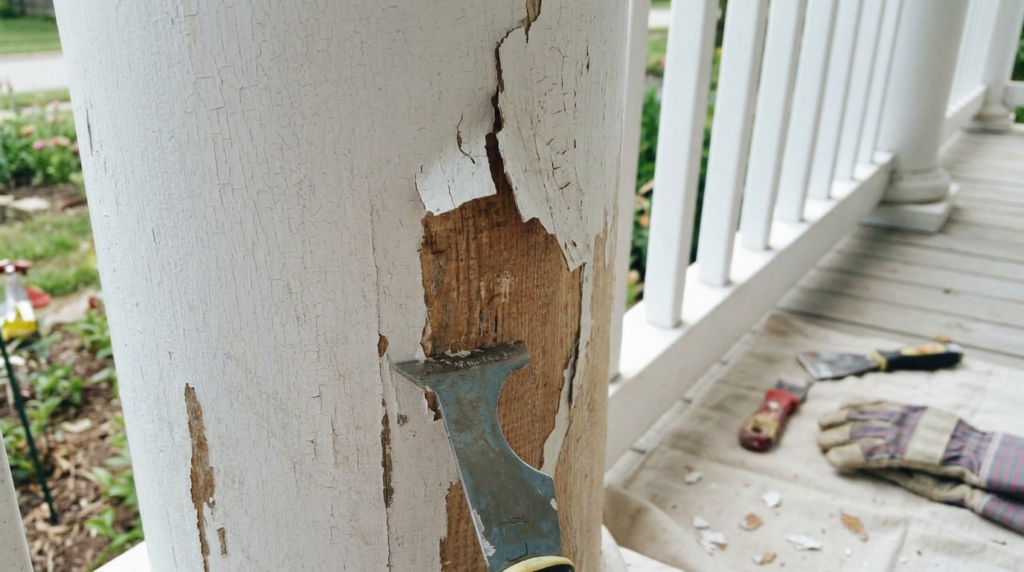
- Scrape Loose Paint: Carefully scrape away any old, flaking paint to create a smooth and uniform surface. This prevents new paint from simply adhering to unstable old layers. More details on this step are available in painting prep steps.
- Sand Rough Areas: Sand any rough edges left by scraping or areas with uneven texture. Smooth surfaces accept paint more evenly, leading to a professional appearance.
- Repair Damage: Fill cracks, holes, and imperfections with exterior-grade caulk or wood filler. Proper patching prevents moisture intrusion and provides a solid base for the finish.
- Prime Bare Spots: Apply a suitable primer to any exposed bare wood, metal, or patched areas. Primer creates a consistent surface for paint adhesion and can block stains. Homeowners can learn how to prep walls for new paint.
- Mask and Cover: Protect windows, doors, light fixtures, and landscaping with painter’s tape and drop cloths. This safeguards surrounding elements from accidental paint splatters. You can prepare your home by moving outdoor furniture and securing plants.
Exterior Painting Process Explained
Exterior painting is a significant investment for homeowners, but the success of the project hinges on more than just the chosen colours. Local climate conditions and the quality of the application process play significant roles in the longevity and appearance of the finish.
Liam wants to repaint the exterior of his home in Edmonton, Alberta to enhance its curb appeal and protect it from the elements. He’s concerned about the unpredictable weather patterns in Alberta and how they might affect the paint job. He wonders, when is the best time to schedule exterior painting in Edmonton to ensure a durable finish?
Recommendation: Prioritizing Spring and Fall Painting Seasons
Phoenix Finishing Touch Painting recommends scheduling exterior painting during Edmonton’s spring or fall shoulder seasons. These periods typically offer more stable temperatures and lower humidity, which are ideal for proper paint adhesion and curing.
Quality Exterior Paint for Long-Term Value
Selecting durable paint types protects your home from weather damage and reduces future maintenance needs. High-quality finishes offer better resistance to fading, cracking, and peeling, which are common issues in varied climates.
When Phoenix Finishing Touch Painting performs exterior painting, we prioritize products designed to withstand environmental factors, ensuring a lasting aesthetic. This approach helps preserve your home’s appearance and structural integrity over time. Choosing the right Edmonton exterior paint can mean the difference between a few years of curb appeal and a decade of protection.
Specific paint formulations provide benefits such as mildew resistance and enhanced adhesion, which are important for different surface types and exposure levels. Considering these properties helps extend the lifespan of your paint job. We also offer Edmonton exterior paint solutions tailored to climate protection.
| Paint Type | Key Benefits | Best For |
|---|---|---|
| Acrylic Latex | Flexibility, breathability, resistance to cracking and fading. | Wood, stucco, concrete, fiber cement. |
| Oil-Based | Hard, durable finish, good adhesion, stain blocking. | Trim, doors, metal, high-traffic areas. |
| Elastomeric | Extreme flexibility, waterproofing, bridging hairline cracks. | Masonry, stucco, areas prone to moisture. |
When to Hire Exterior Painters
Deciding when to hire professional painters versus attempting a do-it-yourself project depends on several factors, including the scope of work, your skill level, and available time. Proper surface preparation and application techniques significantly extend the life of the paint finish.
Large or complex properties with multiple stories, intricate trim work, or extensive surface damage generally benefit from professional services. Phoenix Finishing Touch Painting often addresses issues like peeling paint and rot repair that require specialized tools and experience. Consider your timeline and commitment level, as professional painters complete projects efficiently and with consistent results.
| Consider Professional Painters When | Consider DIY Exterior Painting When |
|---|---|
| The house has multiple stories or challenging access points. | The project involves a single-story home with easily accessible areas. |
| There is significant surface preparation needed, like extensive scraping or repairs. | Surfaces require minimal preparation, such as light cleaning or minor touch-ups. |
| You need a specific finish or specialized paint application. | You aim for a standard finish with readily available paints. |
| Time is a limiting factor for completing the project. | You have ample time and enjoy the painting process. |
| You want a warranty on the workmanship and materials. | You are comfortable with the risk and cost of potential mistakes. |
| You want consistent, high-quality results for your exterior painting project. | You are seeking to minimize upfront costs and gain personal satisfaction. |
| You need advice on paint selection for durability in varying climates. | You already have a clear vision for paint colors and types. |
View Our Exterior Painting Work
Seeing finished projects helps visualize how a professional touch can update a home’s exterior. We invite you to view our collection of past exterior painting jobs, showcasing various styles and property types.
Our commitment to preparation and quality finishes becomes clear in these examples, from vibrant residential refreshes to subtle colour changes that enhance curb appeal. Phoenix Finishing Touch Painting maintains a high standard across all our projects, ensuring homeowners receive lasting results. Before & Afters are available to demonstrate the impact of our efforts.
These galleries offer ideas for your own home’s transformation, whether you prefer modern neutrals or traditional colours. Explore the exterior gallery to see how different paint choices can affect a home’s overall look.
FAQ
Have more questions about exterior painting in Edmonton? This section addresses common concerns to help you make informed decisions about your home’s curb appeal and protection.
| Question | Answer |
|---|---|
| What type of paint is best for Edmonton homes experiencing temperature shifts? | High-quality acrylic latex paints are recommended for Edmonton homes. This type of paint offers good flexibility, which helps it resist cracking as temperatures change throughout the year. It also provides good adhesion and color retention in the local climate. |
| How does surface preparation impact exterior paint longevity in Edmonton? | Proper surface preparation is key to ensuring exterior paint adheres well and lasts through Edmonton’s varied weather. Skipping steps like cleaning, scraping loose paint, and repairing damage can lead to premature peeling or cracking. Thorough preparation significantly extends the lifespan of the paint application. |
| When is the optimal time to schedule exterior painting in Edmonton? | The shoulder seasons, specifically spring and fall, are the best times to schedule exterior painting in Edmonton. These periods generally offer more stable temperatures and lower humidity levels, which are ideal for proper paint adhesion and curing. |
| Should I consider elastomeric paint for my Edmonton home’s exterior? | Elastomeric paint can be a good choice for Edmonton homes, particularly for stucco or masonry surfaces. This thick, flexible coating effectively seals hairline cracks and provides excellent waterproofing. Its flexibility helps it withstand environmental stresses. |