
Prepare Your Home

Need to prepare your home for painters? Get tips on protecting surfaces and decluttering for a smooth painting job. Learn more now!

High-quality exterior and interior painting services in Phoenix, AZ with expert craftsmanship.

Phoenix Painting Team

Why Home Prep Matters for Painters

To effectively prepare home for painters, understanding the significance of your contributions is key. Proper preparation by homeowners ensures that the painting project can proceed without unnecessary delays, leading to a smoother and more efficient experience for everyone involved.

When you take the time to prepare your space, it directly impacts the quality of the final result. A well-prepared environment allows our professional painters to focus entirely on applying a flawless finish, rather than spending valuable time on pre-painting tasks that homeowners can handle. For more details on this, check out our prep walls for painting guide for more.

This attention to detail beforehand also helps in preventing potential issues, such as accidental damage to belongings or delays caused by cluttered areas, reinforcing the value of careful planning.

Key Aspects of Preparation

  • Efficiency. A clear and organized workspace enables painters to move freely, set up equipment quickly, and complete the job within the estimated timeframe. This efficiency saves both time and potential costs.
  • Quality Results. When surfaces are properly cleaned and obstacles are removed, painters can achieve a superior, more uniform paint application. This contributes significantly to the overall aesthetic and longevity of the paint job.
  • Protection of Belongings. Your efforts in moving or covering items safeguard your furniture, flooring, and personal belongings from paint splatters and dust. This proactive approach minimizes the risk of damage.
  • Safety. A clutter-free area reduces tripping hazards and allows painters to work safely with ladders and other equipment. This protects both our team and your property.
  • Cost Savings. While professional painters often include basic prep in their quotes, extensive preparation can sometimes incur additional charges. By handling basic prep yourself, you can potentially reduce the overall project cost. For more details on the process, consider our interior painting services for more.
  • Clear Communication. Engaging in the preparation process often involves communicating with your painting team about expectations and any special considerations. This open dialogue helps avoid misunderstandings and ensures a successful project. Learn more about the importance of hiring professional painters for more.

Essential Home Prep Steps

To prepare home for painters effectively, homeowners should undertake several crucial steps. These actions help ensure a smoother process, from decluttering and furniture arrangement to initial cleaning and safeguarding valuables. Understanding the differences between paint types, such as latex versus oil, can also inform your preparation and final choices; our comparison details these options. Proper preparation allows painting professionals to work efficiently and deliver the best possible finish.

Clear and Declutter Rooms

One of the first steps to prepare home for painters is to clear the working area. This involves removing personal items, decor, and small furniture to create an unobstructed space for the painting crew. Clearing clutter ensures painters have direct access to walls and ceilings, and helps you decide if painting vs wallpaper is the better choice for your home.

  • Remove all wall hangings, such as pictures, mirrors, and shelves.
  • Take down curtains and blinds, or tie them back securely if they cannot be removed.
  • Store away fragile or valuable items in a safe, non-work area.
  • Clear tabletops, countertops, and window sills of any objects.

Manage Furniture and Large Items

Strategically managing furniture is vital when you prepare home for painters. While professional painters often assist with moving larger pieces, doing some of the heavy lifting beforehand can save time and effort. Furniture should be moved to the center of the room or, if possible, to another room entirely. For more detailed guidance on preparing walls, consult our quick guide to prep walls for painting, and for help selecting professionals, review our guide to choosing house painters.

  • Move smaller furniture pieces out of the room completely if space allows.
  • For larger items, shift them to the center of the room, allowing at least three feet of clearance from the walls.
  • If furniture cannot be moved, painters will cover it with drop cloths and plastic sheeting to protect it from paint splatters and dust.
  • Consider protecting any delicate wooden furniture with soft coverings before painters arrive.

Perform Initial Cleaning

An initial cleaning helps to prepare home for painters by ensuring surfaces are free from loose dirt and grime. While professional painters will often perform a detailed surface preparation, a preliminary clean by the homeowner can significantly contribute to the overall quality of the paint adhesion and finish, especially when considering different paint finishes and their properties for more.

  • Dust all walls, baseboards, and ceiling corners to remove cobwebs and loose particles.
  • Wipe down any noticeably dirty or greasy areas, especially in kitchens and bathrooms.
  • Vacuum or sweep floors to eliminate dust and debris that could be tracked around.
  • Address any existing mildew or mold with appropriate cleaning solutions, particularly in damp areas.

Address Wall Imperfections

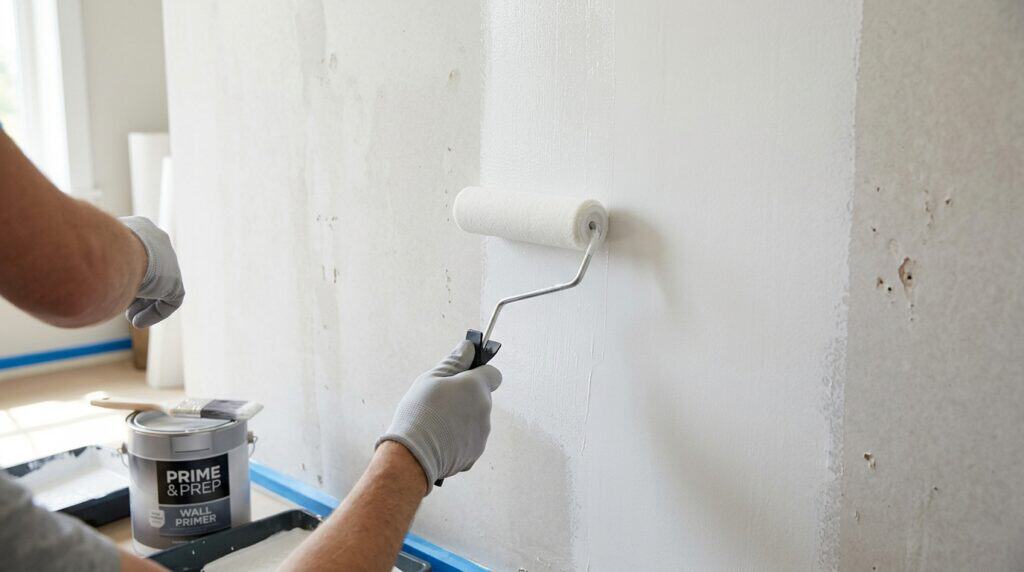
Before painting begins, it’s crucial to address any imperfections on the walls. This includes filling small holes, cracks, and sanding down any rough patches to ensure a smooth surface for the paint. For a comprehensive understanding of this process, review our quick guide to prepping walls.

Taking the time to address minor wall imperfections can greatly improve the final painted result. While your painting professionals will conduct their own prep, filling small holes and cracks beforehand helps ensure a smooth canvas. Our team is skilled in interior painting and will fine-tune these details.

  • Fill small nail holes and minor cracks with spackle or wall filler.
  • Allow the filler to dry completely according to product instructions.
  • Lightly sand any patched areas until they are smooth and flush with the wall.
  • For more significant damage, discuss with your painting contractor whether they will handle these repairs or if you should address them beforehand.

Properly preparing your home for painters is a critical step towards achieving a professional and lasting paint finish, minimizing disruptions and ensuring efficiency.

For more detailed advice on paint projects or to explore our various painting services, feel free to contact our team.

What to Move and Cover

To effectively prepare home for painters, it’s crucial to identify which items need to be moved out of the way and which can be covered. This step helps ensure that your belongings are protected from paint splatters and dust, allowing our team to work efficiently and deliver a flawless finish.

Careful preparation minimizes delays and ensures the safety of your valuables. Whether it’s exterior painting or interior work, protecting your property is paramount. For more details on choosing the right professionals, check out our guide to hiring house painters for more.

Items to Move

  • Small Furniture. Relocate chairs, side tables, and other movable furniture pieces to another room or the center of the room being painted.
  • Wall Decor and Artwork. Remove all pictures, mirrors, wall hangings, and decorative items. Pack fragile items carefully to prevent damage during the painting process.
  • Electronics. Disconnect and move televisions, stereos, lamps, and other electronic devices away from the work area.
  • Personal Items. Clear countertops, shelves, and tabletops of any personal effects, including toiletries, books, and small appliances.
  • Window Coverings. Take down curtains, drapes, and blinds. This provides unobstructed access to windows and walls for painting.
  • Plants. Move indoor plants to a safe location where they won’t be exposed to paint fumes or accidental splashes.

For more detailed information on preparing your home for a professional paint job, consult our Edmonton painting services guide for more.

Items to Cover

For larger or immovable objects, proper covering is essential. Use appropriate materials to shield them from paint.

  • Large Furniture. Sofas, beds, and other heavy furniture that cannot be easily moved should be shifted to the center of the room and completely covered with plastic sheeting or drop cloths.
  • Flooring. Protect all flooring, including carpets, hardwood, tile, and laminate, with sturdy drop cloths or protective paper. Ensure there are no gaps for paint to seep through.
  • Built-in Shelving and Cabinets. If these cannot be emptied, ensure their contents are securely covered. Otherwise, empty them to provide better access for painters.
  • Appliances. For kitchens or laundry rooms, cover large appliances like refrigerators, stoves, and washing machines with plastic sheeting.
  • Light Fixtures and Outlets. While professional painters often handle these, you can cover light fixtures, switch plates, and electrical outlets with painter’s tape and plastic to provide extra protection, especially if they are not being removed.

By taking these proactive steps, you help create an ideal workspace. Our seasonal painting tips also emphasize preparing for various weather conditions when working on exteriors, and you can learn more about choosing the right exterior paint in our comprehensive guide to Edmonton exterior paint for more.

Preparing your home by moving and covering specific items is a vital step in ensuring a successful and clean painting project, protecting your belongings and facilitating the painter’s work.

For more insights on preparing your property or to schedule a consultation, please explore our comprehensive painting services.

Protecting Floors and Fixtures

As you prepare home for painters, safeguarding your floors and fixtures is a critical step to ensure a smooth and damage-free painting project. This involves covering surfaces to prevent paint splatters and securing delicate items that could be impacted during the interior painting process. Proper protection minimizes clean-up for the painting crew and helps maintain the integrity of your home’s elements, much like how professional deck and fence staining services protect outdoor structures.

Floor Protection Essentials

Protecting your floors is paramount when painting. Paint spills and drips can be difficult to remove, especially from delicate surfaces like hardwood or carpet. Our team recommends the following steps to ensure maximum floor protection, and for more information on when to hire professionals, consider reading about our house painting pros vs DIY comparison.

  • Drop Cloths: Use canvas drop cloths, which are more durable and less slippery than plastic, for high-traffic areas. Plastic can be used for less accessible spots but should be taped down securely.
  • Secure Edges: Tape the edges of all drop cloths to baseboards or walls using painter’s tape to prevent them from shifting and exposing the floor beneath. This creates a secure barrier against spills.
  • Overlap: Ensure drop cloths overlap significantly when covering larger areas to avoid gaps where paint could seep through. This creates a continuous protective layer.

Safeguarding Light Fixtures and Hardware

Light fixtures, doorknobs, and other hardware are often overlooked but require careful attention during painting. These items can easily get splattered or damaged if not properly protected. For more on protecting surfaces, see our Edmonton home painting guide.

  • Remove or Cover: Ideally, remove light fixtures, outlet covers, and switch plates. If removal is not feasible, cover them meticulously with painter’s tape and plastic sheeting.
  • Door Hardware: Remove doorknobs and hinges if possible. If not, tape them thoroughly, ensuring no part of the hardware is exposed to paint.
  • Curtain Rods and Blinds: Take down curtain rods, blinds, or shades. If they are permanently installed, cover them with plastic and secure with tape.

Protecting Built-in Elements

Built-in shelving, cabinetry, and other permanent fixtures also need careful protection to prevent accidental paint transfer. Considering the paint finish, different levels of protection might be required.

  • Shelving and Cabinets: Clear all items from built-in shelves and cabinets. Cover the entire unit with plastic sheeting, taping it securely along the edges to form a protective seal.
  • Fireplaces and Mantels: Drape fireplaces and mantels with drop cloths, taping them down to ensure no paint splatters reach the stone, brick, or wood surfaces.
  • Appliances: If appliances cannot be moved out of the room, cover them completely with plastic and tape to protect them from dust and paint.

Effectively protecting your floors and fixtures is a crucial component when you prepare home for painters, ensuring a cleaner, more efficient, and professional outcome for your painting project.

For expert advice on preparing your home or to schedule a painting consultation, contact our team today.

Cleaning and Surface Prep

To prepare home for painters effectively, thorough cleaning and surface preparation are essential. This crucial step ensures optimal paint adhesion and a flawless finish, saving time for the painting crew once they arrive. Even minor imperfections can become glaring after a fresh coat of paint, so addressing them beforehand is key. For detailed guidance on this process, homeowners can consult our prep walls for painting guide.

The following steps outline how homeowners can best prepare their surfaces for professional painting:

  1. Dust and Wipe Down Walls: Begin by removing dust, cobwebs, and loose debris from all wall and ceiling surfaces. A dry cloth or a vacuum with a brush attachment works well for this initial pass. Following this, use a damp cloth with a mild cleaning solution to wipe down walls, especially in high-traffic areas or kitchens where grease might accumulate. This ensures a clean base for the paint.

  2. Clean Baseboards and Trim: Don’t forget the baseboards, door frames, and window sills. These areas often collect dust and grime and require a good cleaning to ensure proper paint adhesion. Use a damp cloth and mild detergent, then dry them thoroughly.

  3. Repair Minor Imperfections: Inspect walls for small holes, cracks, or dents. Use spackle or joint compound to fill these imperfections. Once dry, lightly sand the patched areas until they are smooth and flush with the surrounding wall. This attention to detail is vital to prepare home for painters. For more on this, see our quick guide to prepping walls.

  4. Sand Glossy Surfaces: For any previously painted glossy surfaces, a light sanding with fine-grit sandpaper (e.g., 180-220 grit) is beneficial. This creates a slightly abraded surface, allowing the new paint to adhere better and preventing peeling. After sanding, wipe away any dust.

  5. Remove Outlet Covers and Switch Plates: Carefully unscrew and remove all electrical outlet covers and light switch plates. This prevents paint from getting on them and allows for a cleaner, more professional finish around these fixtures. Remember to turn off the power at the breaker box before handling electrical components.

  6. Ensure Surfaces are Dry: Before any paint is applied, it’s paramount that all cleaned and repaired surfaces are completely dry. Moisture can lead to poor adhesion, blistering, or other paint failures. Adequate drying time varies depending on humidity and cleaning methods.

Following these preparatory cleaning steps significantly contributes to the quality and longevity of your new paint job. Our team can offer further advice on how to choose paint colors that complement your freshly prepared walls. For businesses, our commercial painting services also emphasize meticulous surface preparation, as a positive business environment matters greatly.

Proper cleaning and surface preparation are foundational to any successful painting project, ensuring your home is perfectly ready for professional painters to begin their work.

For more details on preparing your space or to schedule a consultation, please explore our full range of painting services.

Dealing with Special Items

As you prepare home for painters, it’s essential to meticulously handle special items to ensure their safety throughout the painting process. This includes valuable artwork, delicate decor, and essential hardware that needs temporary removal or specialized protection.

Careful consideration for these items helps prevent accidental damage and ensures a smoother experience for both you and the painting crew. Our team is dedicated to providing professional interior painting services, and proper preparation helps us deliver the best results. Understanding the impact of color choices, much like how we approach exterior paint color psychology, is key to a successful project.

Protecting Artwork and Valuables

Artwork and other valuable possessions require special attention when you prepare home for painters. These items are often irreplaceable and can be easily damaged by paint splatters, dust, or accidental bumps during the project. For more details on how to prepare surfaces, review our guide on how to prep walls for painting.

  • Remove from Walls: Take down all framed pictures, paintings, mirrors, and wall-mounted decor. Store them in a secure, dust-free area, ideally in another room that is not being painted.
  • Secure Small Items: Collect any small, fragile items like figurines, vases, or collectibles from shelves and tables. Pack them carefully in boxes with appropriate padding and move them away from the work area.
  • Consider Professional Storage: For extremely valuable or large pieces of art, you might consider professional art movers or temporary off-site storage to guarantee their safety.

Handling Window Treatments and Hardware

Window treatments and various hardware components need to be addressed before painting commences. Proper removal or protection of these elements allows painters full access to the walls and prevents paint from getting on them.

For valuable pieces, consider professional art movers or temporary off-site storage to guarantee their safety, or explore our guide on how to prep walls for painting to ensure a smooth process. When hiring house painters in Edmonton, it’s crucial they understand these preparation steps.

  • Remove Curtains and Blinds: Take down all curtains, drapes, and blinds. Wash or clean them as needed, and store them in a clean, dry place. This prevents them from absorbing paint fumes or getting soiled.
  • Detach Hardware: Carefully remove curtain rods, brackets, wall sconces, and any other wall-mounted hardware that would obstruct painting. Label screws and small parts and keep them together in plastic bags or containers for easy reinstallation.
  • Cover Remaining Fixtures: For fixtures that cannot be easily removed, such as built-in shelving or wall-mounted TVs, ensure they are thoroughly covered with plastic sheeting and secured with painter’s tape to prevent any paint exposure.

Securing Electrical Faceplates and Vents

When you prepare home for painters, addressing electrical faceplates, light switch covers, and vent covers is a small but significant step. This ensures a clean paint job and protects your electrical components. For more on preparation, see our quick guide to prepping walls, and for help choosing the right finish, consult our paint sheen guide for more.

  • Remove Faceplates: Unscrew and remove all electrical outlet covers, light switch plates, and thermostat covers. This allows painters to achieve a crisp, clean line around these openings.
  • Store Safely: Keep all removed faceplates and their screws together in a designated container or bag. This prevents them from getting lost or mixed up, simplifying reinstallation once the painting is complete.
  • Address Vent Covers: Detach air vent covers from walls and ceilings. Cleaning these while they are off is often a good opportunity. Store them with other hardware to be reinstalled after the paint has dried. Remember to check seasonal painting tips for optimal conditions to avoid issues like humidity affecting drying times.

Carefully dealing with special items is a critical step to prepare home for painters, ensuring that your valuables, artwork, and hardware remain protected throughout the painting process.

For more insights on preparing your home or to schedule a consultation, please explore our painting services.

Communication with Painters

Effective communication is paramount when you prepare home for painters, ensuring a smooth and successful project. Clearly discussing expectations and the preparation status with your painting team helps avoid misunderstandings and keeps the work on schedule.

Before the painting crew arrives, establish open lines of communication regarding specific aspects of the job. This includes confirming the project timeline and addressing any last-minute concerns. For guidance on selecting the right professionals, consider this guide to choosing house painters.

Key areas for discussion with your painting team:

  • Project Scope and Schedule: Confirm the areas to be painted and the expected start and completion dates. Discuss daily working hours and any specific access requirements.
  • Preparation Details: Clarify what preparation tasks you have completed and what the painters will handle. This avoids duplication of effort and ensures all necessary steps are covered.
  • Colour Choices and Finishes: Double-check all colour selections and desired finishes for each area. Providing physical samples or clear paint codes can prevent errors. For exterior projects, see our exterior painting services.
  • Access and Facilities: Discuss access points for equipment and materials, as well as the use of restrooms and water sources. Ensure pathways are clear for easy movement.
  • Valuables and Fragile Items: Confirm that all sensitive items have been removed or securely protected. Discuss the handling of any large or immovable items that remain.
  • Pet and Child Safety: Inform the painters about any pets or young children in the home and discuss measures to ensure their safety during the project.
  • Emergency Contacts: Provide your contact information and any alternative contacts in case of unforeseen issues or questions during the work. You can always contact our team directly.

Maintaining clear and consistent communication throughout the painting process fosters a collaborative environment. It helps to quickly resolve any issues that may arise, ensuring the project progresses efficiently and meets your expectations for quality and finish when you prepare home for painters.

Effective preparation and clear communication with your professional painting team are crucial for a smooth and successful home painting project, ensuring efficient work and a high-quality finish.

Benefits of a Prepared Space

When you take the time to prepare home for painters, it significantly streamlines the entire painting process. A well-prepared space ensures that the professional team can work efficiently and deliver exceptional results, transforming your living areas with minimal fuss.

Having worked with countless homeowners, our team has learned that meticulous preparation by the homeowner significantly streamlines the painting process. This proactive approach not only helps achieve a better finish but also reduces potential disruptions to your daily routine. For more details on this, see our home painting guide for more.

The advantages of preparing your home extend beyond just the aesthetic outcome. It impacts the timeline, cost-effectiveness, and overall quality of the paint job. Understanding these benefits can motivate homeowners to invest the necessary effort upfront.

Benefits of Proper PreparationConsequences of Improper Preparation
Reduced project time and completion delays.Increased project duration due to unexpected tasks.
Enhanced paint adhesion and a smoother finish.Poor paint adherence, leading to imperfections.
Minimized risk of damage to furniture and belongings.Potential for paint splatters or damage to unprotected items.
Clear access for painters, improving efficiency.Obstructions that slow down the painting crew.
Lower overall project costs by reducing labour for prep.Additional charges for extensive preparation by the painters.
Less disruption to your daily life.Prolonged inconvenience and a messy home environment.

A properly prepared home also allows painters to focus on their core task without needing to move heavy items or perform extensive cleaning. This is especially true for interior painting projects where furniture and personal items are prevalent.

By taking the necessary steps to prepare home for painters, you contribute to a smoother workflow and a higher quality result. For more information on why professional services are beneficial, explore the importance of hiring professional painters.

Properly preparing your home for painters is crucial for a smooth process and excellent results, helping to minimize project time and ensure a superior finish.

Inadequate Surface Cleaning

Another common oversight is not thoroughly cleaning surfaces before painting. Dust, grease, and grime can prevent paint from adhering properly, leading to peeling or an uneven finish. A proper cleaning is essential for a lasting, professional look, and our guide to prep walls for painting offers detailed steps.

A common mistake is neglecting proper surface cleaning, assuming painters will handle all preparation. While our team performs final prep, a basic cleaning by the homeowner can greatly improve paint adhesion and finish quality, especially for areas like kitchen cabinet refinishing. For larger projects, understanding the scope of work for commercial painters in Edmonton can help manage expectations regarding preparation.

  • Skipping dust and cobweb removal: Walls and ceilings accumulate dust and cobwebs. A quick wipe-down can prevent these particles from mixing with fresh paint.
  • Ignoring grease and grime: In kitchens and bathrooms, grease and grime can be present on walls. These areas require thorough cleaning to ensure paint adheres correctly and prevents peeling later.
  • Not allowing drying time: If you do clean walls, ensure they are completely dry before the painting crew arrives. Moisture can compromise paint adhesion and finish.

Overlooking Fragile or Valuable Items

Another frequent oversight is not adequately protecting fragile or valuable items. While professional painters take precautions, it is ultimately the homeowner’s responsibility to secure irreplaceable possessions. For a comprehensive overview of preparation steps, consult our Edmonton house painting checklist to ensure nothing is missed.

  • Leaving artwork exposed: Remove all artwork and mirrors from walls, storing them in a safe, designated area away from the work zone.
  • Not securing electronics: Disconnect and move electronics such as televisions, stereos, and computers. If moving is not feasible, ensure they are covered thoroughly with appropriate protective materials.
  • Forgetting sentimental pieces: Pack away any sentimental items or heirlooms that could be damaged or lost during the painting process.

Poor Communication with the Painting Team

Lack of clear communication with your painting contractor can lead to misunderstandings and delays. To prepare home for painters effectively, maintaining an open dialogue is essential.

  • Unclear expectations: Discuss specific areas to be painted, desired finishes, and any special requests beforehand. Reviewing your chosen paint finishes and colors with the crew leader is also helpful.
  • Not disclosing repair needs: Inform the painters about any wall damage, cracks, or holes that require repair. This allows them to allocate sufficient time and materials for these tasks.
  • Ignoring access requirements: Confirm access details, such as entry points, restroom usage, and preferred working hours, to ensure a smooth operation.

Thoughtful preparation before professional painters arrive is crucial for a successful and efficient project. By addressing potential issues proactively, you help create an optimal working environment for the crew and ensure a high-quality finish for your home.

For more insights or to schedule a consultation, explore our range of painting services. Understanding the differences between, for example, latex vs oil-based paint can also inform your project decisions.

Painter’s Perspective on Prep

From a professional painter’s point of view, when homeowners prepare home for painters, it significantly impacts the overall project. A well-prepared space allows our team to focus on the intricate details of painting, leading to a superior finish and greater efficiency.

When you take the time to prepare your home, it minimizes disruptions and allows for a smoother workflow. This preparation helps ensure the painting process is completed within the estimated timeframe, avoiding unnecessary delays.

  • Efficiency and Speed: When rooms are clear and surfaces are ready, painters can immediately begin their work, reducing setup time and increasing productivity. This efficiency translates into faster project completion.
  • Quality Finish: Clean, clutter-free surfaces allow for better paint adhesion and a more even application. This attention to detail helps us deliver a high-quality finish, enhancing the beauty of your home.
  • Safety for Belongings: Moving furniture and valuables prevents accidental damage or paint splatters. Protecting your belongings ensures peace of mind for both the homeowner and the painting crew.
  • Reduced Costs: Less time spent on moving and cleaning by the painting crew can sometimes translate into cost savings for the homeowner. Understanding the cost to paint a house often includes prep work, so your efforts can make a difference.
  • Improved Access: Clear pathways and unobstructed walls provide our painters with easy access to all areas, especially important for intricate tasks involved in interior painting projects.

Our team at Phoenix Painting appreciates when clients take these preparatory steps. It allows us to deliver the best possible results and provides a more pleasant experience for everyone involved. Investing a little time upfront to prepare home for painters can make a significant difference in the final outcome of your painting project. For instance, choosing the right living room paint finish can enhance the overall aesthetic.

Properly preparing your home for painters is a crucial step that ensures a smoother, more efficient, and higher-quality painting experience for both you and the professionals.

For more information on professional painting services, consider exploring our comprehensive range of painting services.

Final Checklist Before Arrival

As the painting team’s arrival date approaches, a final review of your preparation ensures a seamless start to the project. This last-minute checklist helps confirm you have done everything necessary to prepare home for painters, maximizing efficiency and minimizing potential delays.

Double-checking these items will allow our professional painters to begin work immediately upon arrival, contributing to a smooth and timely completion of your painting project, whether it’s an interior refresh or an extensive exterior painting job. Avoiding common Calgary painting mistakes is easier when you’re fully prepared.

  1. Confirm Communication: Ensure you have exchanged final contact details and confirmed the start time with your painting contractor. If there are any last-minute questions, contact our team to clarify.
  2. Clear Pathways: Verify that all pathways to the work areas, both interior and exterior, are completely clear of obstructions. This includes moving potted plants, garden hoses, or outdoor furniture if we are handling exterior painting services.
  3. Secure Valuables and Fragiles: Make a final sweep to ensure all delicate items, artwork, and personal valuables are either removed from the room or securely stored away from the work zone.
  4. Protect Surfaces: Confirm that all furniture, floors, and non-paintable surfaces are adequately covered with drop cloths or plastic sheeting, as discussed with your painting team.
  5. Access to Utilities: Ensure that access to water and electrical outlets is readily available for the painters’ equipment.
  6. Pet and Child Safety: Arrange for pets and children to be kept away from the painting areas during work hours to ensure their safety and prevent interruptions.
  7. Designate a Workspace: Confirm the agreed-upon area for painters to set up their equipment and store supplies, ensuring it is clear and accessible.
  8. Review Project Scope: Briefly review the agreed-upon project scope and colours with your contractor to avoid any misunderstandings on the first day.

Completing these final preparation steps will ensure your home is fully ready for professional painters, leading to a more efficient and satisfying painting experience.

For any questions or further assistance with your painting project, please do not hesitate to reach out to us.

Conclusion: Value of Prepared Space

Preparing your home for painters is an essential step that significantly contributes to the success and efficiency of your painting project. Taking the time to declutter, protect belongings, and address minor surface issues ensures a smoother process for everyone involved.

A well-prepared space allows our professional team to focus on delivering exceptional interior painting services without unnecessary delays or complications. This collaboration between homeowner and painter ultimately leads to a higher quality finish and a more satisfying experience.

By understanding what to expect and proactively tackling preparation tasks, you actively contribute to the overall success of the project. This preparation minimizes disruptions, reduces potential damage, and allows painters to work more effectively, reinforcing the importance of hiring professional painters who value thorough groundwork. For exterior projects, consider our exterior painting guide for optimal results.

Thoroughly preparing your home for painters ensures a more efficient process, a superior paint finish, and a positive experience for both homeowners and the painting team.

Explore our painting services to see how our expertise can transform your space.

More Posts

May 16, 2026
A paint roller, paintbrush, painter's tape, and paint can are placed on a drop cloth outside a house with blue siding.

House Painting Advice Strategies 2026

Get essential house painting advice for a stunning, lasting finish. Discover expert strategies for preparation, paint selection, and avoiding common mistakes. L
April 30, 2026
A close-up of a wall with textured cream-colored paint swatches, showing the paint's smooth application and subtle color variations.

Paint Types Comparison: Paint Types: Latex vs. Oil

Confused by paint types? Compare latex vs. oil finishes to find the best for your project. Get expert advice now.
April 13, 2026
Bright, minimalist room with textured wall design, ideal for contemporary home decor or renovation projects.

Painting vs Wallpaper: Which is Best?

Painting or wallpaper? Explore the pros and cons of each to find the perfect wall finish for your home. Get inspired now!