
Answer
Preventing common painting mistakes involves careful preparation, selecting the right materials, and using proper application techniques. Phoenix Finishing Touch Painting often sees issues arise from skipping surface cleaning or using incompatible paint and primer. For homeowners here, avoiding these errors means a longer-lasting, more professional finish, potentially saving both time and money on future touch-ups.
Overview
This guide addresses common errors that occur during painting projects, from initial preparation to the final coats. It covers how to avoid issues like poor adhesion and uneven finishes, leading to a smoother, longer-lasting result. We also present a labeled real-world hypothetical involving Mark, showing how selecting the correct paint impacts project success.
- Common Errors: Learn about frequent painting mistakes homeowners encounter.
- Surface Prep: Discover how to prevent preparation blunders for a better paint job.
- Real-World Example: See how choosing paint types affects project outcomes.
- Professional Help: Find out when professional painters offer the best solution.
- Fixing Errors: Get tips on correcting small paint issues after they occur.
- Poor Application: See the results of improper paint application techniques.
Common Painting Errors Homeowners Make
Ignoring key steps often leads to frustrating and visible painting mistakes. Many homeowners rush through projects, which results in issues such as uneven coats, visible brush strokes, or peeling paint shortly after application. Phoenix Finishing Touch Painting frequently observes these problems when surfaces are not cleaned correctly or when the wrong tools are used for specific paint types.
Avoiding these painting mishaps requires attention to detail from start to finish. Proper surface preparation, using appropriate paint, and applying it correctly help achieve a smooth, lasting finish. For additional guidance, homeowners can explore resources on diy painting mistakes or review general painting prep steps.
| Error Type | Consequence |
|---|---|
| Poor Surface Cleaning | Dust, dirt, or grease prevent paint adhesion, leading to chips or peeling. |
| Skipping Primer | Paint may not cover evenly, especially when changing colours or painting over porous surfaces. |
| Improper Drying Times | Applying a second coat too soon causes bubbling, cracking, or an uneven texture. |
| Using the Wrong Tools | Incorrect brushes or rollers can leave streaks, fuzz, or an inconsistent finish. |
| Over-brushing or Over-rolling | This creates visible marks and can thin the paint, reducing its durability. |
Surface Preparation Blunders to Avoid
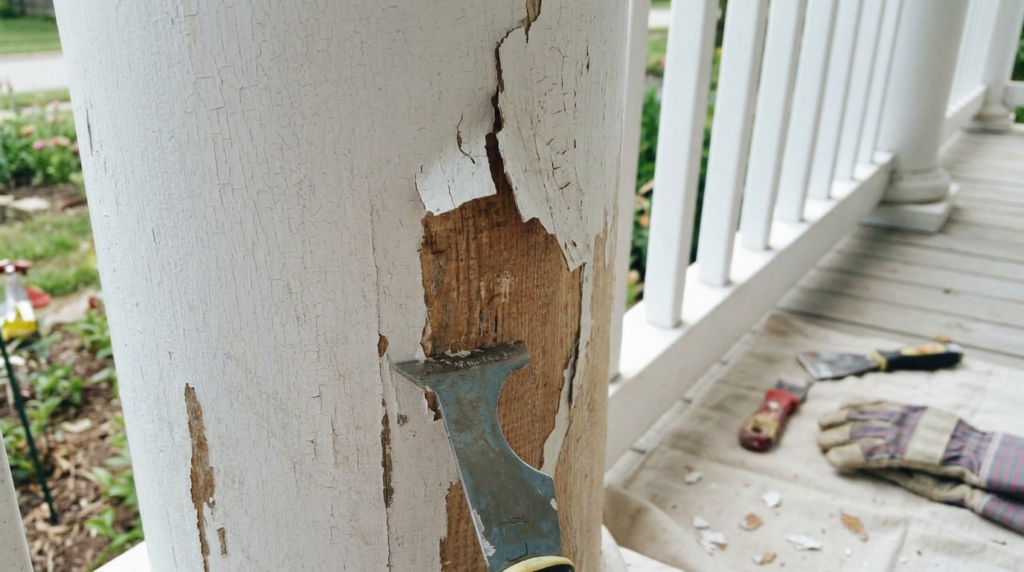
Proper preparation makes a significant difference in the longevity and appearance of a paint job. Skipping essential steps before painting often leads to poor adhesion, uneven finishes, and early paint failure. Phoenix Finishing Touch Painting frequently observes issues like peeling paint or visible surface imperfections stemming from insufficient preparation, especially on exterior projects here in Edmonton.
Neglecting surface cleaning or repair before applying paint are common painting mistakes that can compromise the final result. Even minor dust or grease can prevent paint from sticking correctly, leading to blisters or flaking over time. Correcting these oversights early saves time and effort in the long run.
| Preparation Oversight | Consequence |
|---|---|
| Not Cleaning Surfaces | Dust, dirt, and grease prevent proper paint adhesion, leading to peeling or bubbling. This often means the paint separates from the surface prematurely. |
| Skipping Repairs | Cracks, holes, or uneven textures remain visible through new paint, compromising the aesthetic. Addressing these first creates a smooth canvas for the paint. |
| Inadequate Priming | Poor primer choice or application can cause uneven color, reduced durability, or bleed-through from stains. Using the right primer helps create a consistent base, as discussed in painting prep steps. |
| Insufficient Sanding | Rough or glossy surfaces without proper sanding may not allow paint to bond effectively. Light sanding creates a better profile for paint to adhere. |
| Ignoring Curing Times | Applying subsequent coats or primers too quickly can trap moisture, leading to blistering or poor adhesion. Following manufacturer guidelines for top painting mistakes ensures each layer dries completely. |
Choosing the Wrong Paint Type
Homeowners often face challenges when attempting to paint their homes themselves, leading to less-than-ideal results. Common painting mistakes can compromise the finish and longevity of the paint job.
Mark is embarking on a DIY interior painting project for his Edmonton home and is concerned about common painting mistakes. He’s wondering if he should prioritize thorough surface preparation and cleaning, or if he can afford to rush the application process to save time. Should I prioritize thorough surface preparation over rushing the paint application to avoid common painting mistakes in my Edmonton home?
Recommendation: Prioritize Surface Preparation
Phoenix Finishing Touch Painting recommends prioritizing thorough surface preparation, including cleaning and proper priming, especially for DIY projects in Edmonton. This step ensures better paint adhesion and a smoother, more durable finish, ultimately preventing costly painting mistakes down the line.
When to Hire Professional Painters
Many homeowners consider professional painting services when the project scope or desired finish exceeds their DIY capabilities. Phoenix Finishing Touch Painting frequently helps clients who began a project themselves but encountered unexpected challenges or imperfections. These situations often involve specialized techniques, difficult-to-reach areas, or a need for a perfectly smooth, streak-free surface.
While minor touch-ups or small areas may be suitable for a do-it-yourself approach, larger projects or those requiring specific finishes benefit from experienced hands. For example, painting vaulted ceilings or intricate trim work requires precision and specialized tools to avoid common painting mistakes. When assessing your project, consider the time commitment, necessary equipment, and your comfort level with detailed work.
Choosing a qualified painting contractor ensures proper surface preparation, correct product application, and a lasting result. Our painting services handle everything from initial consultation to final cleanup, minimizing disruption and delivering a polished look. For those needing help with their next interior or exterior project, engaging professionals can save both time and effort in the long run.
Recommendation: Professional Painting Services for Quality Results
Phoenix Finishing Touch Painting recommends professional services for projects demanding a flawless finish or involving complex preparation. This approach guarantees attention to detail, preventing future issues that might arise from improper techniques. Our services ensure every step, from surface preparation to the final coat, meets high standards, delivering a durable and visually appealing outcome.
- Assess the Project Scope: Determine if the area is large, complex, or requires specific finishes.
- Check Credentials and Experience: Verify the painter’s licensing, insurance, and portfolio of similar work.
- Request Detailed Quotes: Obtain written estimates outlining materials, labour, and timelines.
- Review References: Speak with past clients about their experience and satisfaction with the work.
- Confirm Warranty: Ensure the contractor offers a warranty on their workmanship and materials used.
- Clarify Project Timeline: Discuss start and completion dates to align with your schedule.
Fixing Minor Paint Job Errors
Addressing small imperfections after painting saves time and avoids larger reworks. For instance, a typical touch-up for minor paint drips or smudges might take a homeowner less than 15 minutes, whereas ignoring them can lead to larger repairs later that might extend to several hours. These small fixes prevent minor issues from becoming noticeable painting mistakes that compromise the finish.
Phoenix Finishing Touch Painting observes that many minor issues arise from inadequate masking or rushing the drying process. Here, we recommend always having the right tools ready to correct issues quickly; a small brush for touch-ups or a clean rag for wet paint drips can prevent bigger headaches. Correcting small errors promptly avoids additional costs and effort.
| Error Type | Correction Method | Time Saved by Quick Fix |
|---|---|---|
| Paint Drips or Runs | Gently scrape dry drips with a razor blade or sand lightly, then touch up. If still wet, wipe with a damp cloth before it dries. | Up to 1 hour per affected wall section, compared to full sanding and repainting after hardening. |
| Uneven Sheen | Apply a thin, even coat of the same paint. Ensure consistent application pressure and technique. | Avoids a full repaint of the area, which can take 2-3 hours depending on the wall size. |
| Brush Marks or Roller Laps | Lightly sand the affected area and reapply paint with proper technique. Consider using a paint conditioner. | Prevents needing to sand down and repaint larger sections, saving 1-2 hours per repair. |
| Small Scuffs or Chips | Clean the area, apply a small amount of matching paint with an artist’s brush, and blend. | A quick fix takes minutes, versus hours for a larger area if left unaddressed. |
| Bleeding Edges | Remove painter’s tape carefully while paint is still slightly wet. If dry, carefully scrape excess or touch up with a small brush. For advice on preparation, see top painting mistakes. | Correcting these right away saves the time of having to recut the line with a brush. |
| Dust or Debris in Paint | Allow paint to dry completely. Gently sand down the imperfection and repaint the small area. | Fixing early prevents larger patches, saving about 30 minutes to an hour per spot. |
| Poor Coverage or Thin Spots | Apply an additional thin coat, ensuring even spread. Proper loading of brushes or rollers helps. For guidance on paint selection, refer to paint types comparison. | Prevents the need for multiple extra coats across a whole wall, saving several hours. |
Impact of Poor Paint Application
Improper application can drastically shorten a paint job’s lifespan and compromise its appearance. When paint is applied too thickly, too thinly, or without adequate drying time between coats, defects like drips, streaks, and peeling can quickly appear. This often leads to needing a repaint much sooner than expected.
Phoenix Finishing Touch Painting observes that many issues stem from rushing the application process or neglecting environmental factors like temperature and humidity. Such oversight results in a finish that lacks durability and aesthetic quality. Addressing these issues early on can help avoid more significant problems later.
Avoiding common painting mistakes during application helps ensure a smooth, lasting finish. Consideration for paint type and surface is also important for optimal results, as discussed in paint types comparison.
| Application Scenario | Potential Consequences |
|---|---|
| Painting over dirty surfaces | Poor adhesion, flaking, peeling. The new paint cannot properly bond to the wall, leading to early failure. |
| Applying paint too quickly or too thickly | Drips, sags, uneven texture, longer drying times, and premature cracking. This affects both appearance and durability. |
| Ignoring proper drying times between coats | Bubbling, cracking, or lifting of subsequent layers. Each coat needs to cure to achieve its intended strength. |
| Using incorrect tools (e.g., wrong brush or roller) | Streaks, brush marks, uneven coverage, and increased paint consumption. The right tools ensure smooth, consistent application. |
| Improper ventilation during and after painting | Slow drying, strong lingering odors, and potential health issues from fumes. Proper air circulation is key. |
| Painting in extreme temperatures or humidity | Paint may dry too fast (streaks) or too slow (blistering, poor adhesion). Environmental conditions significantly affect curing. |
| Not addressing surface imperfections before painting | Bumps, holes, and cracks become more noticeable under new paint. Proper preparation is key for a flawless finish, as detailed in top painting mistakes. |
FAQ
To help you further avoid common painting mistakes and achieve a professional finish, we’ve compiled answers to some frequently asked questions about common painting pitfalls.
| Question | Answer |
|---|---|
| How can I prevent paint from peeling due to poor surface cleaning in Edmonton? | Ensure surfaces are free of dust, dirt, and grease before painting. If these contaminants remain, the paint will not adhere properly. This can lead to chips or peeling shortly after application. Phoenix Finishing Touch Painting sees this issue frequently on exterior projects. |
| What happens if I skip using primer on certain surfaces? | Skipping primer can result in uneven paint coverage, especially when changing colors or painting over porous materials. The new paint may not cover evenly, requiring more coats than anticipated. Inadequate priming can also reduce the paint’s durability. |
| When should I consider hiring professional painters for my project in Alberta? | Hire professionals for projects with complex finishes, difficult-to-reach areas, or when you desire a perfectly smooth, streak-free surface. If your DIY capabilities are exceeded by the project’s scope or required precision, professional services ensure a quality outcome. |
| How quickly can I fix minor paint job errors like drips or runs? | Minor paint drips or runs can often be fixed by gently scraping dry drips with a razor blade or sanding lightly, followed by a touch-up. If the paint is still wet, wiping with a damp cloth can prevent them from hardening. Addressing these quickly saves significant time compared to larger repairs. |