
Answer
Homeowners often encounter common painting mistakes such as inadequate surface preparation, using the wrong paint type for a specific project, and poor application techniques. These errors can lead to uneven finishes, premature peeling, and reduced durability of the paint job. Phoenix Finishing Touch Painting frequently observes these issues, especially when homeowners skip essential steps like cleaning and priming surfaces before applying paint, impacting the longevity and appearance of their efforts.
Overview
This article explores common issues that arise during painting projects, from initial preparation to the final drying stages. We examine how surface readiness, appropriate paint selection, and precise application techniques directly influence the durability and appearance of a finished wall.
The content also presents a labeled real-world hypothetical featuring Brenda, highlighting how incorrect techniques can impact project outcomes and offering practical advice. This example provides context for specific challenges homeowners might face.
- Surface Prep: Improper surface cleaning and repair often lead to paint adhesion problems.
- Wrong Paint: Selecting an unsuitable paint type for a given surface or environment can result in poor finish quality.
- Real-World Example: Brenda’s project demonstrates how application technique impacts the final look.
- Primer’s Role: Skipping primer reduces paint longevity and affects color consistency.
- Drying Errors: Incorrect drying and curing conditions contribute to paint film defects.
- Professional Help: Knowing when to consult professional painters prevents costly reworks.
Surface Prep Errors Ruin Paint Jobs
Poor surface preparation accounts for a significant portion of all reported paint job failures, often leading to bubbling, peeling, or uneven finishes. Skipping steps like cleaning, sanding, or patching can undermine even the highest quality paint. Phoenix Finishing Touch Painting frequently observes issues when homeowners bypass proper surface preparation, resulting in painting mistakes that shorten the lifespan of their efforts.
When paint does not adhere correctly, it can flake off, expose the substrate, and create a messy appearance. This can mean needing to repaint sooner than expected, adding extra cost and effort to a project. Proper prep work ensures paint bonds strongly to the surface, offering a smooth and lasting finish.
- Clean Surfaces: Remove all dirt, dust, grease, and grime using appropriate cleaning solutions.
- Sand Imperfections: Smooth rough areas, old paint drips, or patched spots with sandpaper.
- Repair Damage: Fill holes, cracks, and dents with spackle or wood filler, then sand smooth.
- Remove Loose Paint: Scrape or sand away any peeling or flaking old paint to create a stable base.
- Tape and Drape: Protect adjacent surfaces, trim, and flooring with painter’s tape and drop cloths before applying primer or paint.
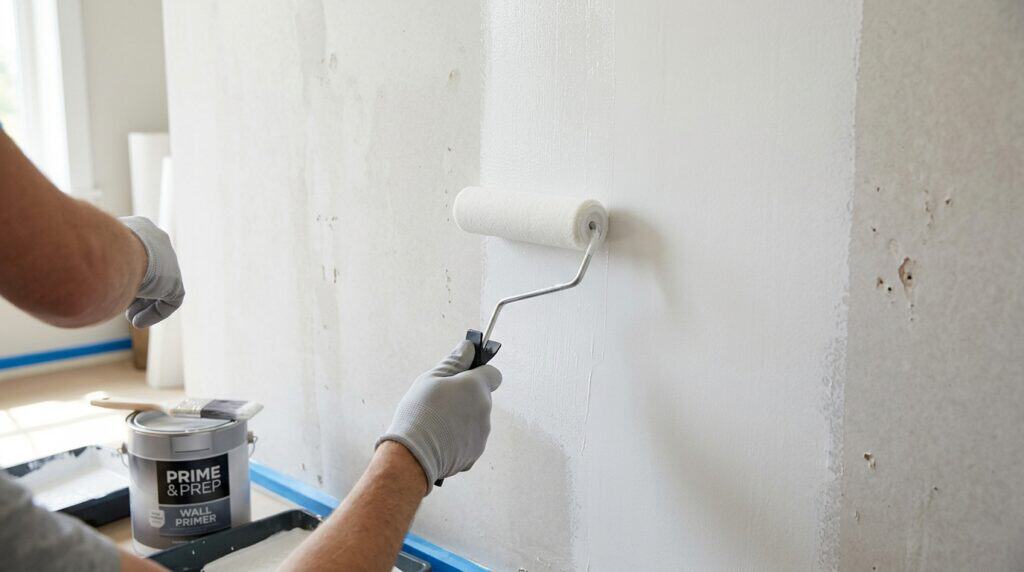
- Apply Primer: Use a suitable primer to seal porous surfaces, block stains, and promote adhesion for the new topcoat.
| Preparation Step | Benefit to Paint Job |
|---|---|
| Thorough Cleaning | Ensures paint adheres without contaminants, preventing future peeling. |
| Sanding and Smoothing | Creates an even surface for paint application, reducing visible brush strokes and bumps. |
| Repairing Damage | Provides a uniform base, hiding imperfections and enhancing the final look. |
| Using Quality Primer | Improves paint adhesion, blocks stains, and offers a more consistent color finish, especially for paint primer use. |
| Proper Taping and Covering | Protects areas not meant to be painted, leading to crisp lines and a cleaner result for diy painting mistakes. |
Wrong Paint Type for Project
Selecting the incorrect paint type often leads to unsatisfactory results, as different surfaces demand specific paint properties for adhesion and durability. For instance, using interior wall paint on kitchen cabinets will not withstand the higher wear and tear these surfaces experience. The wrong paint type contributes to painting mistakes that compromise the finish and longevity of any project.
We see issues when homeowners apply standard latex paint to high-moisture areas like bathrooms without considering mildew resistance or scrubbability. For exterior projects, paint must resist harsh weather conditions and UV exposure, which standard interior paints cannot provide. Phoenix Finishing Touch Painting recommends matching the paint’s characteristics to the environment and surface for a lasting finish.
| Surface Type | Recommended Paint Type | Key Benefits |
|---|---|---|
| Interior Walls | Latex (Acrylic Latex) | Easy cleanup, low VOCs, quick drying. Ideal for living rooms and bedrooms. |
| Kitchen Cabinets | Alkyd (Oil-based) or Cabinet Paint | Hard, durable finish that resists chipping and grease. Offers a smooth look for cabinet painting. |
| Bathrooms/High Moisture | Mildew-Resistant Latex | Resists mold and mildew growth, stands up to humidity. Look for paints labeled for kitchens and baths. |
| Exterior Siding | Acrylic Latex Exterior Paint | Flexible, weather-resistant, and durable against UV rays and temperature changes. Designed for outdoor elements, see exterior painting needs. |
| Trim and Doors | Semi-Gloss or Alkyd Enamel | Durable, washable, and provides a sleek appearance. Withstands frequent handling and cleaning. |
Application Techniques Cause Uneven Finishes
Failing to properly prepare surfaces before painting can lead to a host of problems, from uneven finishes to premature peeling. Many homeowners underestimate the importance of these initial steps, resulting in costly touch-ups and a less-than-ideal aesthetic.
Brenda is excited to repaint her Edmonton living room but is feeling overwhelmed by the prep work. She’s heard that skipping steps like cleaning and priming can cause issues down the line, but she’s eager to see the finished product. She wonders if focusing on thorough surface preparation is truly worth the extra effort, or if she is better off diving straight into application to save time?
Recommendation: Thorough Surface Preparation
Phoenix Finishing Touch Painting recommends prioritizing thorough surface preparation, including cleaning and priming, to ensure a durable and aesthetically pleasing paint job. This foundational step helps prevent common issues like poor adhesion and uneven finishes, leading to a more professional and lasting result for your Edmonton home.
Ignoring Primer’s Role in Durability
Skipping primer can shorten a paint job’s lifespan and lead to a less professional finish. Primer creates a bonding surface for paint, enhancing adhesion and improving coverage, especially on new or porous materials. Many painting mistakes stem from inadequate surface preparation, with the absence of primer being a frequent oversight.
Phoenix Finishing Touch Painting often finds that homeowners overlook primer’s value, particularly when repainting over existing colors or on walls with minor imperfections. Proper priming can save significant time and effort in the long run by preventing common issues like uneven color and poor adhesion.
- Enhanced Adhesion: Primer creates a surface that paint can stick to better, preventing chipping and peeling.
- Improved Durability: It protects the underlying surface and helps the topcoat withstand wear and tear.
- Better Coverage: Primer can block stains and odors, allowing the topcoat to achieve true color in fewer coats.
- Smoother Finish: It helps to seal porous surfaces, creating a uniform base for a flawless paint application.
- Prevents Bleed-Through: On surfaces with knots or stains, primer acts as a barrier, stopping imperfections from showing through the final paint layer.
When choosing a primer, consider the surface material and the type of topcoat you plan to use. For example, oil-based primers work well on wood and block stains, while water-based primers are suitable for drywall and offer easier cleanup. Phoenix Finishing Touch Painting advises selecting the right primer to ensure optimal results for any painting project, minimizing future painting mistakes. For questions about your project, consult a professional to determine the most effective primer for your specific needs, or review options on paint durability factors.
Drying and Curing Stage Errors
Allowing sufficient drying and curing time for paint prevents many common aesthetic and durability issues. Rushing these stages, particularly in a climate like Edmonton, Alberta, can lead to premature damage and a less professional finish. Phoenix Finishing Touch Painting often observes surfaces that appear dry but have not fully cured, resulting in smudges or adhesion problems.
The drying process refers to the evaporation of solvents, making the paint feel dry to the touch. Curing involves a chemical reaction that hardens the paint film, providing its full durability and resistance. Skipping these steps can lead to painting mistakes that compromise the integrity of the finish. For example, applying a second coat too soon may reactivate the first, causing streaks or uneven texture.
When moving furniture or hanging pictures, homeowners face a trade-off between convenience and ensuring paint longevity. If paint is merely dry but not cured, any pressure or friction can easily mar the surface. We recommend waiting at least 24-48 hours after paint feels dry to the touch before light use, and up to several weeks for full curing, depending on paint type and humidity.
| Action | Recommended Timing |
|---|---|
| Apply a second coat of paint | Follow manufacturer instructions, typically 2-4 hours after the first coat. |
| Light contact with painted surfaces | Wait at least 24 hours after the final coat. |
| Replace electrical faceplates or decor | Allow 48-72 hours to prevent sticking or marks. |
| Move heavy furniture against walls | Wait 3-4 weeks for complete paint curing. This is especially important for areas with high traffic or humidity. Learn more about paint services. |
| Clean newly painted walls | Wait at least 30 days. Most paints reach full scrub resistance after a month. For further information, see our home page. |
When to Call Professional Painters
While do-it-yourself projects offer satisfaction, certain situations benefit significantly from professional painting services. These scenarios often involve complex preparations, specialized finishes, or large-scale projects that require precision and efficiency.
Phoenix Finishing Touch Painting recommends professional assistance when homeowners encounter challenges like extensive surface damage, unique architectural features, or when they want to avoid common painting mistakes that can affect durability. For example, achieving a smooth, even finish on high-traffic areas or intricate trim requires specialized tools and expertise.
Considering professional painters saves time and effort, ensuring a high-quality outcome. Phoenix Finishing Touch Painting frequently advises clients on project scope and offers insights into selecting the right finishes for lasting results in Edmonton homes. our services range from interior to exterior painting, addressing various needs homeowners here might have.
| Scenario | Best Option | Reason |
|---|---|---|
| Extensive surface preparation (e.g., patching, sanding, stripping) | Professional Painter | Ensures proper adhesion and a smooth finish, avoiding issues like peeling paint. |
| High ceilings or hard-to-reach areas | Professional Painter | Safety equipment and experience prevent accidents and uneven coverage. |
| Specialized finishes (e.g., faux finishes, textured walls) | Professional Painter | Requires specific techniques and materials for desired aesthetic. |
| Whole-home interior or exterior projects | Professional Painter | Efficiency and consistent quality across large surfaces. |
| Tight deadlines for project completion | Professional Painter | Professionals manage schedules to complete work on time. |
| Minimal budget, small, simple room | DIY Painting | Cost-effective for basic projects with easy access and minimal prep. diy painting mistakes might still occur. |
FAQ
To help you avoid common painting mistakes and achieve a professional-looking finish, we’ve compiled answers to some of the most frequently asked questions about home painting projects.
| Question | Answer |
|---|---|
| How does surface preparation affect the final paint job? | Poor surface preparation is a leading cause of paint job failures, often resulting in bubbling or peeling. Skipping steps like cleaning, sanding, or patching prevents paint from adhering correctly. Phoenix Finishing Touch Painting sees many issues when homeowners bypass proper prep, shortening the paint’s lifespan and creating a messy appearance. |
| What happens if I use the wrong type of paint for a specific surface? | Using an unsuitable paint type leads to unsatisfactory results because different surfaces require specific paint properties for adhesion and durability. For example, interior paint on kitchen cabinets won’t withstand the wear they experience. This mistake compromises the finish and longevity of your project. |
| Why is applying primer before the topcoat important? | Skipping primer can shorten a paint job’s lifespan and lead to a less professional finish. Primer creates a bonding surface for paint, improving adhesion and coverage, especially on new or porous materials. Phoenix Finishing Touch Painting notes that this step is often overlooked, but it prevents issues like uneven color and poor adhesion. |
| When should homeowners consider hiring professional painters instead of DIY? | Homeowners should consider professional painters for projects involving extensive surface damage, unique architectural features, or when they wish to avoid common painting mistakes. Achieving a smooth finish on high-traffic areas or intricate trim requires specialized expertise and tools. Professional painters ensure a high-quality outcome and save time. |