
Answer
Achieving lasting paint durability involves several factors, with surface preparation contributing significantly to how well paint adheres and resists wear. A well-prepped surface can extend a paint’s lifespan by years, reducing the need for frequent repainting. Phoenix Finishing Touch Painting focuses on these foundational steps to ensure superior adhesion and long-term results for every project.
Overview
Achieving long-lasting paint results depends on various elements, from the quality of materials to the application process. This article details factors that contribute to a paint finish’s ability to endure, helping property owners make informed decisions. We also present a labeled real-world hypothetical featuring Liam, which illustrates how different approaches can affect the final outcome and longevity of a painting project.
- Performance Metrics: Discover how key indicators measure a paint’s ability to last.
- Surface Ready: Good surface preparation sets the foundation for paint adhesion and life.
- Paint Selection: The right paint type affects how well a finish holds up.
- Environment’s Impact: See how environmental factors influence exterior paint endurance.
- Real-World Example: A scenario shows how application technique affects a paint job’s lifespan.
- Phoenix Standards: Learn about Phoenix Finishing Touch Painting’s approach to durable results.
Paint Durability: Key Performance Indicators
Paint’s longevity depends on several factors, including its ability to resist environmental challenges and daily wear. Homeowners benefit from finishes that maintain their aesthetic appeal and protective qualities over time. Phoenix Finishing Touch Painting focuses on these specific attributes to deliver lasting results for every project.
We understand that different surfaces and environments demand specific performance from coatings. For instance, exterior surfaces need high resistance to moisture and UV exposure, while interior walls require scrubbability and stain resistance. Our painters evaluate these conditions to recommend appropriate paint systems. Phoenix Finishing Touch Painting services ensure a finish that stands up to the demands of daily life.
| Indicator | Description |
|---|---|
| Adhesion | Measures how well the paint sticks to the surface, preventing peeling and flaking. |
| Abrasion Resistance | Ability to withstand scraping, rubbing, and general physical contact without visible damage. |
| Washability/Scrubbability | How well the paint film tolerates cleaning without losing color or sheen. |
| Color Retention | Resistance to fading or discoloration from UV light and other environmental factors. |
| Mildew/Fungus Resistance | Ability to inhibit growth of mildew and fungi, common in humid conditions. |
| Crack Resistance | Paint’s flexibility to expand and contract with temperature changes without cracking. |
| Water Resistance | Prevents moisture from penetrating the paint film, protecting the substrate from damage. |
Selecting paint with strong indicators in these areas contributes directly to overall paint durability. When considering an upgrade, reviewing paint finish types can further refine selections based on expected use and desired appearance. This helps achieve a finish that looks good and performs well for many years.
Surface Preparation’s Role in Paint Longevity
Proper surface preparation is fundamental for achieving long-lasting paint results. Flaws like dirt, grease, or loose old paint prevent new coatings from adhering correctly, leading to premature peeling or chipping. We find that neglecting these initial steps often leads to client dissatisfaction within a year of application, regardless of paint quality.
When surfaces are clean, dry, and sound, paint forms a strong bond, resisting environmental stressors and general wear. This strong adhesion significantly extends the lifespan of a paint finish, maintaining its appearance and protective qualities for years. Homeowners should review the prep walls for steps before any major painting project.
Phoenix Finishing Touch Painting stresses the importance of thorough preparation. We have observed that even premium paint fails quickly on improperly prepped walls or trim. Following a meticulous approach ensures that the paint durability meets client expectations.
Essential Preparation Steps for Paint Longevity
- Clean the Surface: Remove all dirt, dust, grease, and grime using appropriate cleaners. For exterior surfaces, power washing can be effective; for interiors, a mild detergent and water often suffice.
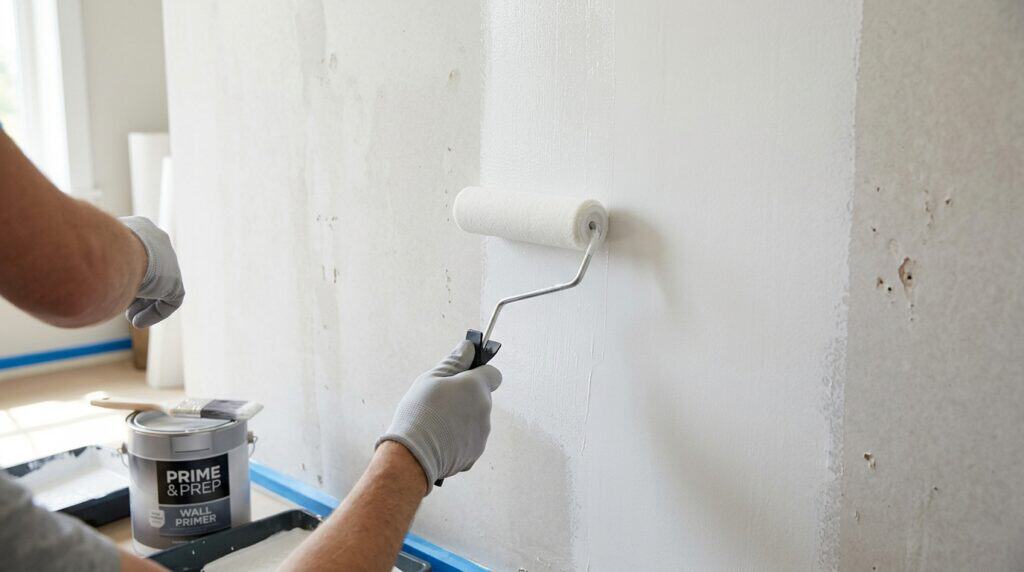
- Scrape and Sand: Scrape away any loose or peeling paint to create a smooth, even surface. Lightly sand glossy areas to provide a better mechanical grip for the new paint.
- Repair Imperfections: Fill cracks, holes, and dents with spackle or wood filler. Allow repairs to dry completely, then sand them smooth to blend with the surrounding area.
- Prime the Surface: Apply a suitable primer to seal porous surfaces, block stains, and promote paint adhesion. Primer creates a uniform base that helps the topcoat apply evenly and last longer.
- Mask and Protect: Use painter’s tape to protect trim, baseboards, and other areas not intended for painting. Cover floors and furniture with drop cloths to prevent accidental drips.
| Preparation Task | Impact on Paint Longevity |
|---|---|
| Cleaning | Ensures paint adheres directly to the surface, preventing adhesion failure from contaminants. |
| Sanding and Scraping | Removes loose material and creates a texture for better paint grip, reducing peeling. Consider painting prep steps for a smooth base. |
| Repairs | Provides a smooth, uniform surface for even paint application, preventing early cracking or bubbling over imperfections. |
| Priming | Seals porous materials, promotes topcoat adhesion, and blocks stains, enhancing the overall durability of the finish. |
Paint Type Selection for Lasting Finishes
Choosing the correct paint type directly impacts how long a finish will last and how well it resists damage. Different formulations offer varying levels of resistance to moisture, abrasion, and UV exposure. Evaluating the specific conditions of a surface helps in selecting the most suitable product for lasting results.
For interior spaces, we often recommend latex paints for their ease of application and quick drying times, particularly in busy households. Phoenix Finishing Touch Painting helps clients select finishes that stand up to daily wear, considering factors like foot traffic and moisture exposure. Understanding the strengths of each paint type is a key step towards achieving true paint durability.
| Paint Type | Characteristics for Durability | Ideal Use Case |
|---|---|---|
| Latex Paint | Flexible film resists cracking; easy cleanup; good for general interior walls. | Low-traffic interior walls, ceilings, dry areas. compare paint types |
| Acrylic Latex Paint | Enhanced adhesion and flexibility; superior fade and mildew resistance. | Exterior surfaces, high-humidity interiors like bathrooms, kitchens. |
| Oil-Based Paint | Hard, smooth finish; high resistance to abrasion and stains; longer drying time. | Trim, doors, cabinets, high-wear surfaces. matte paint finishes |
| Epoxy Paint | Extremely hard and chemical-resistant; forms a very tough barrier. | Garage floors, industrial surfaces, concrete. |
Environmental Factors Affecting Exterior Paint
Exterior paint faces constant challenges from weather and climate, which directly impact its lifespan. Sunlight, moisture, temperature changes, and pollution all contribute to how quickly a paint finish degrades. Understanding these elements helps in selecting appropriate products and application methods for lasting protection.
Phoenix Finishing Touch Painting regularly addresses how local weather patterns affect exterior finishes. We often recommend specific paint formulations that resist cracking and fading when homes experience intense summer sun or harsh winter conditions. This attention to environmental factors helps preserve paint durability for years.
Homeowners should consider their property’s exposure to direct sunlight and precipitation when planning an exterior paint project. For instance, west-facing walls typically receive more intense UV exposure than north-facing surfaces, requiring a more resilient paint choice. Edmonton Exterior Painting can present unique challenges due to seasonal extremes.
| Environmental Factor | Impact on Paint Finish |
|---|---|
| UV Radiation (Sunlight) | Causes fading, chalking, and degradation of paint binders, leading to loss of adhesion and color. Extended exposure can cause cracking. |
| Moisture (Rain, Snow, Humidity) | Promotes mildew and mold growth, blistering, peeling, and can cause wood to swell and contract, stressing the paint film. |
| Temperature Fluctuations | Repeated expansion and contraction of surfaces can lead to cracking and flaking as the paint film loses elasticity. |
| Pollution and Dirt | Accumulates on surfaces, dulling the finish, and can contain abrasive particles that wear down the paint layer over time. Regular cleaning may be needed. |
| Wind | Can carry abrasive particles that erode the paint surface and accelerate drying during application, potentially affecting adhesion. |
Application Technique’s Impact on Endurance
Ensuring paint lasts is a common concern for property owners. The quality of surface preparation before painting directly impacts adhesion and resistance to wear, influencing the paint’s overall lifespan and the need for future touch-ups.
Liam is embarking on a major interior painting job in his Edmonton home and wants the finish to last. He’s heard that how well the surface is prepared before painting can significantly impact the paint’s durability, but he’s weighing the importance of this step against the overall project timeline. Given the importance of surface prep for paint durability, should Liam prioritize this step for his upcoming Edmonton exterior paint project?
Recommendation: Thorough Surface Preparation
Phoenix Finishing Touch Painting recommends prioritizing thorough surface preparation for Liam’s project. This foundational step ensures superior adhesion and resistance to wear, which is crucial for achieving long-term paint durability and reducing the need for frequent repainting in his Edmonton home.
Phoenix Finishing Touch Painting: Durability Focused
Phoenix Finishing Touch Painting ensures paint durability through careful attention to every project detail. Our approach prioritizes longevity, applying techniques and materials that withstand daily wear and tear. This commitment provides a lasting finish for both residential and commercial properties.
We prioritize proper surface preparation, a key factor in extending the life of any paint job. This focus helps avoid common issues such as peeling or cracking, which compromise both appearance and protection. Our process ensures strong adhesion and a beautiful, enduring result for every client. We recommend reviewing our Paint Durability Factors page for more information on how we achieve this.
| Best for | Recommended Approach | Key Benefits |
|---|---|---|
| High-traffic interiors | Durable acrylic-latex paints with washable finishes | Resists scuffs and stains; easy to clean without damaging paint film. |
| Exterior siding and trim | Premium exterior paints designed for regional weather, combined with meticulous surface preparation | Withstands harsh weather cycles, UV exposure, and temperature fluctuations. |
| Humid environments (bathrooms, kitchens) | Mold and mildew-resistant paints with semi-gloss or gloss finishes | Inhibits fungal growth; creates a moisture-resistant barrier that is simple to wipe clean. |
| Doors and cabinets | High-quality enamel or urethane-modified alkyd paints | Creates a hard, smooth surface that resists chipping and scratches; offers a furniture-like finish. |
Phoenix Finishing Touch Painting recommends selecting specific products based on the area’s exposure and use, considering factors like direct sunlight and humidity. Our services aim to provide lasting beauty and protection, tailored to each surface’s unique demands.
FAQ
To further clarify common inquiries about paint durability, we’ve compiled answers to frequently asked questions below, addressing key factors that influence how long your paint lasts.
| Question | Answer |
|---|---|
| How does surface preparation affect how long paint lasts? | Proper surface preparation is fundamental for paint to adhere correctly and resist wear. Neglecting steps like cleaning and sanding can lead to premature peeling or chipping within a year. When surfaces are clean, dry, and sound, paint forms a strong bond that extends its lifespan and maintains its appearance for years. |
| What are the key indicators of paint durability? | Key indicators include adhesion, which measures how well paint sticks to the surface, and abrasion resistance, its ability to withstand scraping. Washability and scrubbability assess how well the paint tolerates cleaning, while color retention measures its resistance to fading. Mildew, crack, and water resistance are also important for preventing damage and degradation over time. |
| How do environmental factors impact exterior paint? | Exterior paint faces challenges from sunlight, moisture, temperature changes, and pollution. UV radiation causes fading and degradation, while moisture can lead to mildew and peeling. Temperature fluctuations stress the paint film, causing cracking, and pollution can dull the finish and wear down the surface. |
| Should Liam prioritize surface preparation for his Edmonton painting project? | Yes, Liam should prioritize thorough surface preparation. This foundational step ensures superior adhesion and resistance to wear, which is essential for achieving long-term paint durability and reducing the need for frequent repainting in his Edmonton home. |