
Answer
Selecting paint involves weighing how different compositions behave on surfaces. Latex paints offer easy cleanup and quick drying, making them suitable for many interior projects. Oil-based paints, conversely, provide a harder, more durable finish with better adhesion, particularly on trim and exterior surfaces, though they require mineral spirits for cleanup. Phoenix Finishing Touch Painting advises considering factors such as desired durability, application area, and required drying time for each paint types comparison.
Overview
Making a paint types comparison requires understanding how different formulations perform. This article details the distinctions between latex and oil-based paints, offering guidance on their best uses for various projects. It also includes a labeled real-world hypothetical featuring Eleanor, demonstrating how these choices impact project outcomes.
- Latex Paint: Explore the benefits of latex paint for various applications.
- Oil-Based Paint: Review the advantages of oil paints for specific surfaces.
- Real-World Example: See a case study for durability and finish.
- Interior Walls: Get advice on selecting paint for interior projects.
- Trim Uses: Determine when oil paint suits trim work.
- Phoenix Recommendations: View Phoenix Finishing Touch paint suggestions.
Latex Paint Pros and Cons
Latex paint, also known as acrylic latex, contains acrylic resins that make it more flexible and resistant to cracking compared to traditional formulas. This water-based option typically dries faster, often within 1-2 hours between coats, allowing for quicker project completion. Phoenix Finishing Touch Painting frequently recommends latex for many interior painting projects due to its ease of use and cleanup.
The formulation offers good color retention and resists fading, which helps maintain the appearance of painted surfaces over time. Homeowners often find that the low odor of latex paint makes it a comfortable choice for indoor applications, reducing ventilation needs during and after painting. For a broader perspective on selecting appropriate coatings, consider a general Paint types comparison.
| Pros | Cons |
|---|---|
| Water cleanup simplifies tools and spills. | May not adhere as well to glossy surfaces without proper priming. |
| Quick drying time allows for multiple coats in a single day. | Typically less durable than oil-based paints for high-traffic areas. |
| Lower volatile organic compounds (VOCs) reduce odor and improve air quality. | May show brush strokes more readily if not applied correctly. |
| Good color retention resists yellowing over time. | Can be less resistant to chipping on surfaces that experience impact. |
| Flexible finish resists cracking and chalking, especially on exterior siding. | Not suitable for all specialized applications where hardness is key. |
| Environmentally friendlier disposal compared to oil-based options. | May require more coats for full coverage over dark colors. |
Benefits of Oil-Based Paint
Oil-based paints offer distinct advantages for specific applications due to their inherent properties. They typically create a harder, more durable film than latex options, making them a preference for surfaces that experience heavy wear. This type of paint often dries to a smoother finish, minimizing brush strokes and providing a rich, deep appearance.
These paints adhere well to many surfaces, including previously painted oil finishes or stained wood, without extensive priming. We find that the enhanced adhesion and film hardness of oil-based paints contribute to their longevity on trim, doors, and exterior elements in homes. This resilience reduces the frequency of repainting, a consideration for busy households.
A paint types comparison between oil and latex often highlights the durability of oil-based products, especially for high-traffic areas. When choosing a paint, homeowners consider factors such as surface type, desired finish, and ease of application. Phoenix Finishing Touch Painting recommends reviewing the attributes below to align paint selection with project requirements.
| Attribute | Oil-Based Paint Characteristics | Considerations |
|---|---|---|
| Durability | Forms a hard, protective shell resistant to scratches and chips. | Ideal for trim, doors, and cabinets that see frequent contact. |
| Finish | Dries to a smooth, often glossy finish, hiding brush marks effectively. | Creates a classic, rich appearance; typically slower drying. |
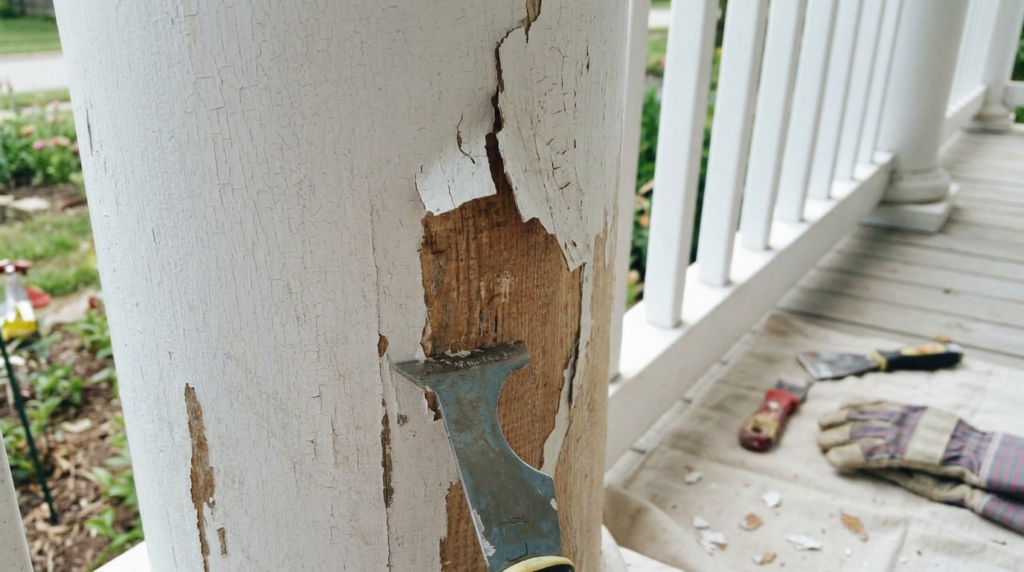
| Adhesion | Bonds strongly to various surfaces, including existing oil paint and bare wood. | Good for projects where peeling or flaking has been an issue. |
| Application | Flows evenly, allowing for a smooth application without visible streaks. | Requires proper ventilation during application and drying. |
| Cleanup | Requires mineral spirits or paint thinner for brushes and spills. | Cleanup is more involved than with water-based paints. |
| Odor | Stronger fumes during application and drying due to solvents. | Ensure good airflow; consider masks or respirators. |
| Surface Use | Excellent for wood trim, metal, and exterior surfaces. | Not recommended for large wall areas due to longer drying times. |
| Maintenance | Washes well and holds up against frequent cleaning. | Resists stains and scuffs, maintaining appearance over time. |
| Drying Time | Significantly longer drying and curing times than latex paints. | Plan project schedules to allow for adequate drying between coats. |
Durability and Finish Differences
Choosing between latex and oil-based paints involves understanding their distinct properties and application suitability. Each type offers different benefits regarding drying time, cleanup, durability, and finish.
Eleanor wants to refresh her living room and trim but is unsure which paint type will yield the best results. She’s concerned about ease of application and long-term durability for her Edmonton home. Should Eleanor opt for latex or oil-based paint for her interior walls and trim?
Recommendation: Latex Paint for Walls, Oil-Based for Trim
Phoenix Finishing Touch Painting would recommend using latex paint for the interior walls due to its easy cleanup and quick drying times. For the trim, oil-based paint is often advised for its harder, more durable finish, providing better adhesion and a smoother look, though it requires more careful application and cleanup. Paint Finish types can influence the overall appearance and lifespan of a painted surface.
Choosing Paint for Interior Walls
Selecting the correct paint for interior walls directly impacts both the appearance and longevity of your finish. Key considerations include the room’s function, expected wear and tear, and the desired visual effect. Phoenix Finishing Touch Painting recommends matching paint properties to the specific demands of each interior space.
Different areas within a home have varying needs for durability and moisture resistance. A proper paint types comparison helps ensure surfaces remain protected and attractive over time. For instance, high-traffic areas benefit from paints with increased scrubbability.
Here are several factors to consider when choosing interior wall paint:
- Room Function: Assess whether the room is a high-moisture area like a bathroom, a busy hallway, or a low-traffic bedroom.
- Desired Finish: Decide on the sheen level, ranging from flat to high-gloss, which affects durability and light reflection. For more on this, review the Paint Finish types.
- Surface Condition: Consider the wall’s current state; some paints better conceal imperfections than others.
- Drying Time: Evaluate how quickly you need the paint to dry, especially in areas needing quick re-entry.
- Ease of Cleaning: Determine if the paint needs to withstand frequent wiping or scrubbing.
| Factor | Description |
|---|---|
| Traffic Level | High-traffic areas, like hallways and playrooms, require more durable paints that resist scuffs and marks. |
| Moisture Exposure | Bathrooms and kitchens need paints that repel moisture and resist mildew growth. |
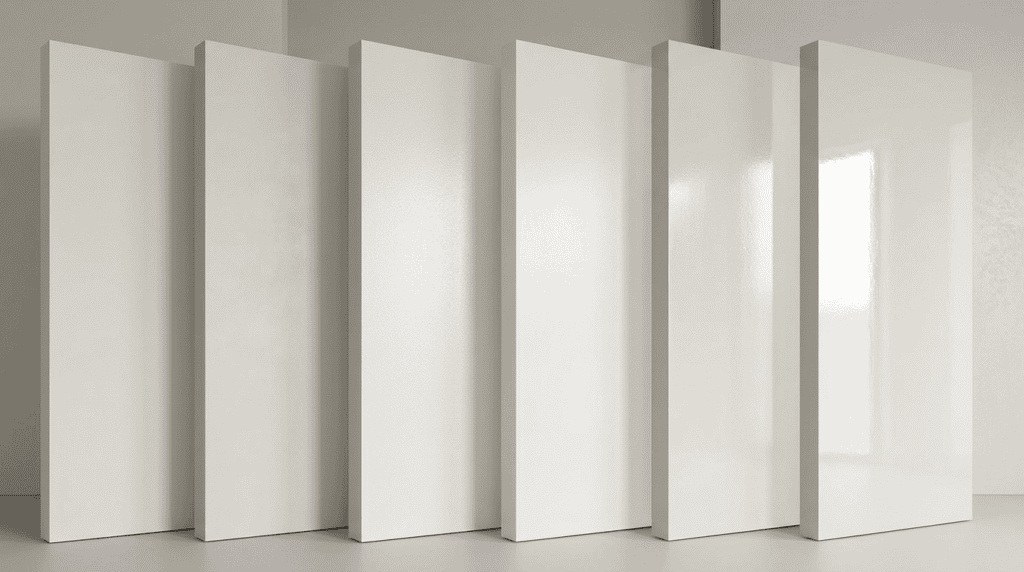
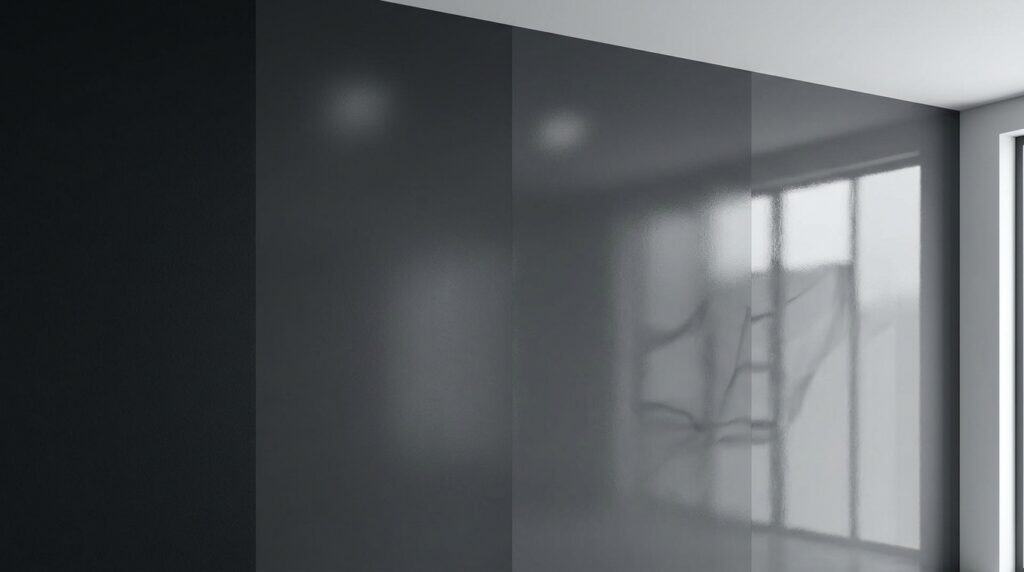
| Light Reflection | Glossier finishes reflect more light and can make small rooms appear larger, while flatter finishes hide imperfections. A Paint Sheen comparison offers more detail. |
| Prep Work | Some paint types may require specific primers or extensive surface preparation for optimal adhesion. |
| Color Selection | Paint color impacts mood and perception; lighter colors often make a room feel more open. Consult our Paint Finishes Matte guide for visual impacts. |
When to Use Oil Paint for Trim
Oil paint offers exceptional hardness and a smooth finish, making it a strong choice for high-contact surfaces like trim, doors, and cabinets. Its durability helps resist chips and scuffs, which is beneficial in busy areas of a home or commercial space. We often suggest oil-based products for surfaces that require frequent cleaning, as their tough film stands up to repeated washing better than many latex alternatives.
While latex paints have improved significantly in durability, oil paint still excels in certain applications due to its superior adhesion and leveling properties. For example, if you are painting over existing oil-based paint or surfaces that need maximum protection against moisture and wear, oil paint can provide a more resilient coating. Consider a paint types comparison based on the specific wear and tear a surface will experience.
| Ideal Situation | Why Oil Paint Works |
|---|---|
| High-Traffic Trim and Doors | Oil paint forms a very hard, chip-resistant surface that withstands bumps and frequent touching. This is particularly useful for exterior gallery elements or interior doors. |
| Painting Over Existing Oil Finishes | Oil paint adheres well to previously oil-painted surfaces, ensuring a smooth, long-lasting bond. Skipping proper primer with latex on oil can lead to adhesion issues. |
| Surfaces Needing Maximum Smoothness | Oil paint has excellent self-leveling properties, which minimizes brush strokes and roller marks for a glass-like finish. This creates a refined appearance for detailed trim work or interior gallery projects. |
| Kitchen Cabinets and Bathroom Trim | The hard, water-resistant film of oil paint protects against moisture and grease, making it suitable for areas exposed to humidity or frequent cleaning. |
Phoenix Finishing Touch Recommendations
Selecting the right paint extends beyond color choice; it depends on the surface, expected wear, and desired finish. Phoenix Finishing Touch Painting helps homeowners choose the best products for lasting results. We consider factors like humidity levels and surface preparation to ensure optimal adhesion and durability for every project here.
For high-traffic areas or spaces needing frequent cleaning, specific paint types offer better performance. Our experience with various paint types comparison options ensures we recommend solutions that perform well and fit the aesthetic goals of your home. We guide clients through the choices, from durable trim paints to washable interior wall coatings, to achieve desired outcomes.
| Application Area | Recommended Paint Type |
|---|---|
| Interior Walls (Low Traffic) | Latex (Flat or Eggshell) for easy application and a smooth finish. See our interior gallery for examples. |
| Interior Walls (High Traffic) | Latex (Satin or Semi-Gloss) for increased washability and durability. Consider finishes discussed in paint finish types. |
| Trim and Doors | Oil-based paint (Semi-Gloss or Gloss) for a hard, scuff-resistant surface and excellent adhesion. |
| Kitchens and Bathrooms | Latex (Satin or Semi-Gloss) with mildew-resistant additives, designed for moisture-prone areas. |
| Exterior Siding | High-quality Exterior Latex for flexibility, weather resistance, and color retention. Explore our exterior gallery. |
Phoenix Finishing Touch Painting provides personalized recommendations based on your specific project needs and the environmental conditions of your property.
FAQ
To help you further understand the nuances of this paint types comparison, we’ve compiled answers to some common questions regarding latex and oil-based paints.
| Question | Answer |
|---|---|
| When should I choose oil-based paint over latex for my Edmonton home’s trim? | Oil-based paint offers superior hardness and adhesion, making it ideal for high-contact surfaces like trim, doors, and cabinets. Its durable film resists chips and scuffs, and it provides a smoother finish that minimizes brush strokes. This type of paint also performs well in areas needing frequent cleaning or protection against moisture. |
| How does the cleanup process differ between latex and oil-based paints? | Cleaning up latex paint is straightforward as it uses water for tools and spills. Oil-based paint requires mineral spirits or paint thinner for cleaning brushes and addressing spills, making the cleanup process more involved. |
| What are the main advantages of using latex paint for interior walls? | Latex paint is recommended for interior walls due to its quick drying time, allowing for faster project completion. It offers easy water cleanup, low odor, and good color retention that resists fading. Its flexible finish also helps prevent cracking over time. |
| How does paint adhesion vary between latex and oil-based formulations? | Oil-based paints generally bond strongly to a variety of surfaces, including existing oil paint or bare wood, often without extensive priming. Latex paints may require specific priming, especially on glossy surfaces, to ensure optimal adhesion and prevent peeling. |