
Answer
Correctly applying paint avoids issues like uneven coats, drips, and premature peeling, which can otherwise require extensive rework. Many common painting mistakes to avoid stem from inadequate preparation or incorrect application techniques, leading to results that fall short of expectations and necessitate re-painting sooner than planned. Phoenix Finishing Touch Painting helps homeowners achieve a professional finish by emphasizing proper methods, ensuring walls look good and the paint lasts longer.
Overview
Proper paint application and surface preparation prevent many common issues. This guide details various painting mistakes to avoid, helping homeowners achieve better, longer-lasting results. Readers will find information on common preparation errors and how different paint finishes affect outcomes.
This article also includes a labeled real-world hypothetical about Ava’s recent painting project, offering insights and recommendations for similar situations.
- Common Errors: Learn about painting prep errors that affect finish quality.
- Finish Choices: Explore how paint finishes impact a room’s look.
- Real-World Example: See how diy painting blunders can lead to unexpected costs for Ava.
- Professional Help: Consider when to hire professionals for projects.
- Phoenix Finishing: Discover how Phoenix Finishing Touch maintains quality.
- Property Protection: Review steps for protecting property during projects.
Common Calgary Painting Prep Errors
Inadequate preparation before painting can lead to common painting mistakes to avoid, such as uneven finishes, peeling paint, or visible imperfections. Addressing these issues upfront saves considerable time and effort compared to fixing them after the paint dries. Many homeowners here underestimate the time required for proper surface preparation, leading to rushed jobs.
Ensuring surfaces are clean, smooth, and primed correctly forms the foundation for a professional-looking and long-lasting paint job. Phoenix Finishing Touch Painting often observes how skipped steps during prep work result in paint failures, especially with older homes or surfaces with previous damage. For example, failing to properly sand uneven patches can leave bumps under the new coat, visible even after multiple layers of paint.
- Skipping Surface Cleaning: Dust, grime, and grease prevent paint from adhering correctly, causing bubbles or peeling. Always wash walls with a mild detergent solution, then rinse thoroughly and allow to dry completely.
- Inadequate Patching and Sanding: Holes, cracks, and rough areas show through new paint if not filled and sanded smooth. Use appropriate filler for drywall or wood, sand to a feather edge, and clean dust before priming.
- Not Taping Edges Properly: Crooked or bleeding lines occur when painter’s tape is applied incorrectly or not pressed down firmly. Use high-quality tape and remove it while the paint is still slightly wet for crisp lines.
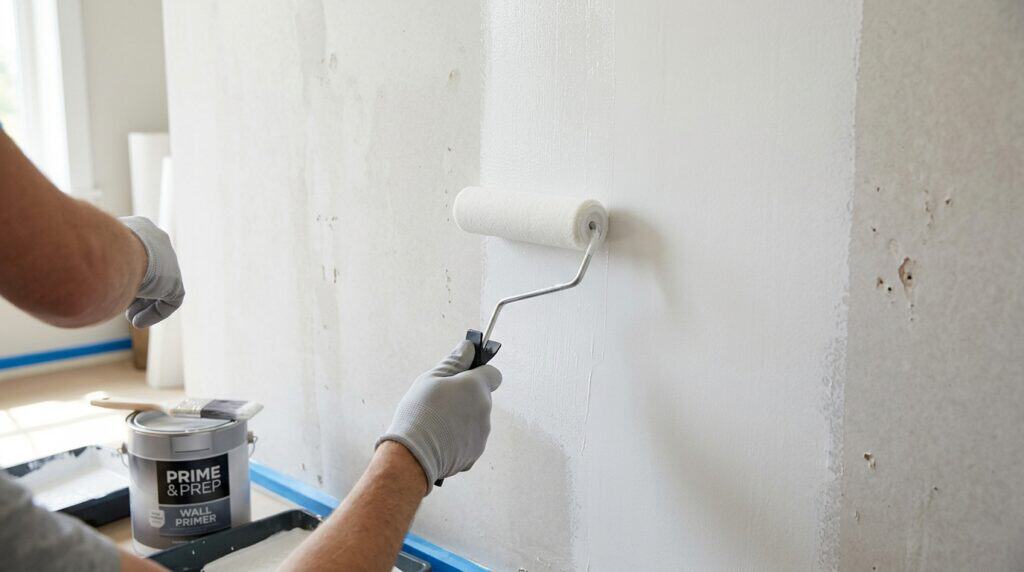
- Forgetting to Prime: Primer creates a uniform surface for paint adhesion and true color representation, especially when painting over dark colors or glossy surfaces. Skipping this step often results in patchy coverage and more coats of paint needed, as discussed in diy Painting Mistakes.
- Ignoring Environmental Conditions: Painting in extreme temperatures or humidity can affect drying times and paint performance. Follow manufacturer recommendations for temperature and humidity ranges, which can vary depending on the paint type and local weather patterns, especially in areas with distinct seasonal changes like here in Alberta.
- Overlooking Drop Cloths and Masking: Protecting floors, furniture, and fixtures from drips and splatters is essential. While seemingly minor, neglecting proper masking can lead to significant cleanup or damage to other surfaces. We recommend preparing your home by clearing rooms and covering everything adequately.
Choosing the Wrong Paint Finishes
Selecting the incorrect paint finish for a surface often leads to unsatisfactory results, including poor durability, uneven appearance, or difficulty cleaning. Many residential painting projects suffer when a high-gloss paint is applied to a wall with minor imperfections, as the sheen accentuates every bump and divot. Phoenix Finishing Touch Painting recommends matching the finish to both the surface type and the intended use of the room.
Different areas of a home require specific paint qualities; a bathroom, for instance, needs a finish that resists moisture and mildew, unlike a formal living room. Failing to consider these factors is among the painting mistakes to avoid for a lasting and attractive result. Proper selection ensures the paint performs as expected and maintains its look over time.
| Finish Type | Best Use Cases | Considerations for Edmonton Homes |
|---|---|---|
| Flat/Matte | Low-traffic areas like dining rooms and bedrooms, ceilings | Hides imperfections well, but less washable; suitable for areas with minimal contact. |
| Eggshell/Satin | Living rooms, hallways, family rooms, kitchens | Offers good durability and washability; a versatile option for most interior walls. learn about paint finish types |
| Semi-Gloss | Trim, doors, cabinets, high-moisture bathrooms | Very durable and easy to clean, stands up to humidity and frequent wiping. |
| High-Gloss | Furniture, accent pieces, highly durable surfaces | Extremely washable and reflective, but highlights every surface flaw. compare paint sheen |
- Flat finishes excel at concealing wall imperfections and provide a soft, non-reflective look.
- Eggshell and satin finishes balance durability with a subtle sheen, making them popular for general living spaces.
- Semi-gloss paints offer excellent moisture resistance and washability, making them ideal for kitchens and bathrooms.
- High-gloss options provide the maximum durability and reflectivity, suitable for specific design elements or areas needing frequent cleaning. explore paint finishes Matte
DIY Painting Blunders That Cost More
DIY painting projects can quickly go wrong if common errors are not identified and avoided. Mistakes in preparation or application can lead to a finish that requires immediate touch-ups or a complete repaint.
Ava noticed a significant drip on her newly painted living room wall in Edmonton, Alberta, and is unsure if her DIY skills are up to the task of fixing it. She’s worried about making the problem worse and is weighing whether to attempt a repair or seek professional help; should Ava attempt to fix a drip herself or call a professional painter?
Recommendation: Professional Painting Services
Phoenix Finishing Touch Painting would recommend hiring a professional when a painting mistake, such as a drip, occurs. This ensures the issue is corrected effectively without causing further damage, leading to a durable and aesthetically pleasing finish.
When to Hire Calgary Painting Professionals
Professional painting offers precision and efficiency that DIY projects often lack. Deciding when to bring in professionals depends on the project’s scale, complexity, and desired finish quality.
Phoenix Finishing Touch Painting often sees property owners in the area attempt projects that become overwhelming due to unexpected challenges or time constraints. For larger homes or intricate designs, our experience streamlines the process and ensures a lasting result, avoiding common painting mistakes to avoid.
- Complex Surfaces: If your walls have intricate molding, textured finishes, or require extensive patching, professionals bring specialized tools and techniques for a smooth outcome.
- High Ceilings or Difficult Access: Reaching high areas safely and evenly requires proper equipment and training, which professional painters possess.
- Tight Deadlines: When you need a project completed quickly without compromising quality, a dedicated team can work efficiently to meet your schedule.
- Large Scale Projects: Painting an entire house, interior or exterior, is a significant undertaking that benefits from the resources and coordination a professional company provides. Consider Edmonton Painting services for large-scale work.
- Specific Finishes: Achieving a perfect streak-free finish with certain paint types, like high-gloss or specialty coatings, demands skill and careful application.
- Property Protection: Professionals carefully mask off areas and protect furniture, floors, and landscaping from paint splatter, minimizing clean-up and potential damage. Learn more about protecting your home with prep steps.
How Phoenix Finishing Touch Avoids Errors
Phoenix Finishing Touch Painting uses a systematic approach to prevent common painting issues before they arise. This includes detailed preparation, precise application techniques, and quality control checks throughout every project. We prioritize thorough surface cleaning and repairs, which prevents problems like peeling or uneven finishes from poor adhesion.
Phoenix Finishing Touch Painting trains its painters in advanced application methods, ensuring smooth, consistent coats without drips or brush marks. We also use high-quality paints and tools, reducing the likelihood of common issues such as poor coverage or premature fading. Our goal is to achieve a lasting finish that enhances any home.
| Professional Practice | Benefit to Homeowners |
|---|---|
| Detailed Surface Preparation | Ensures paint adheres properly, preventing chips and bubbles. This step often includes cleaning, sanding, and priming as needed. |
| Precise Application Techniques | Results in smooth, even coats without streaks or drips, enhancing the overall appearance. This skill reduces the chance of common painting mistakes to avoid. |
| High-Quality Materials | Provides better coverage and durability, leading to a longer-lasting finish that resists wear. We select paints appropriate for each surface and environment. |
| Experienced Team | Skilled painters identify potential issues early and resolve them, ensuring a flawless result. Our painters are trained to handle various surfaces and paint types, including those detailed in common Calgary painting prep errors. |
| Post-Painting Inspection | Confirms that all details meet professional standards, addressing any touch-ups before project completion. This final check ensures client satisfaction, as seen in our painting companies comparison. |
Protecting Your Property During Painting
Safeguarding surrounding surfaces during a painting project keeps the job clean and prevents accidental damage. Proper protection methods mean less cleanup and fewer touch-ups once the paint dries.
We routinely use specialized techniques to shield floors, furniture, and landscaping, ensuring that paint stays only where it belongs. Ignoring these steps can lead to costly repairs and additional work, turning a simple refresh into a frustrating experience with many painting mistakes to avoid.
When preparing for a painting project, several materials and techniques help maintain the integrity of your property. Choosing the right protection for each area reduces the risk of drips, spills, or overspray. Phoenix Finishing Touch Painting recommends these options:
| Protection Method | Best for | Reason |
|---|---|---|
| Drop Cloths (Canvas) | Floors, furniture, heavy-traffic areas | Durable, slip-resistant, reusable, and absorbs spills without seepage. |
| Plastic Sheeting (Polyethylene) | Large furniture, shrubs, light fixtures | Lightweight, offers complete coverage, and protects from dust and overspray. |
| Painter’s Tape (Low-Tack) | Trim, baseboards, window frames, edges | Creates sharp lines and prevents paint bleeding without damaging surfaces. |
| Masking Film/Paper | Windows, glass panels, light fixtures | Adheres easily, provides coverage for large surfaces, and simplifies cleanup. |
| Cardboard | Pathways, delicate plants, rough surfaces | Offers rigid protection against heavy foot traffic or accidental drops. |
| Liquid Masking Film | Window panes, intricate details | Applies as a liquid, dries to a protective film, and peels off cleanly. |
FAQ
To help you achieve a flawless finish and avoid common painting mistakes to avoid, we’ve compiled answers to some frequently asked questions about Calgary painting projects.
| Question | Answer |
|---|---|
| When should I consider hiring a professional painter for a drip repair in Calgary? | You should consider hiring a professional painter if a paint drip occurs and you are unsure how to fix it. Attempting a repair yourself could worsen the problem, leading to further damage. Professionals have the expertise to correct such issues effectively, ensuring a durable and visually appealing finish without causing additional harm. |
| How does choosing the wrong paint finish impact a room’s appearance in Alberta homes? | Selecting an incorrect paint finish can lead to an unsatisfactory look, including uneven surfaces or difficulty cleaning. For instance, applying a high-gloss paint on a wall with minor imperfections will highlight every bump and divot. Matching the finish to the room’s use and surface type is important for a lasting, attractive result. |
| What preparation steps are often overlooked in Calgary painting projects that lead to poor adhesion? | Skipping surface cleaning, inadequate patching and sanding, and not taping edges properly are common preparation errors. Dust, grime, and grease prevent paint from adhering correctly, leading to bubbles or peeling. Filling and sanding holes and cracks smooth, and ensuring tape is firmly applied are essential for a good finish. |
| Why is priming important when painting over dark colors or glossy surfaces in Edmonton? | Primer creates a uniform surface that helps the new paint adhere properly and ensures the true color is represented. Skipping primer when painting over dark colors or glossy surfaces often results in patchy coverage. This can lead to needing more coats of paint than anticipated to achieve an even look. |