
Answer
Edmonton’s diverse climate, including harsh winters and hot summers, presents unique challenges for exterior paint, leading to common issues like peeling, cracking, and fading if unsuitable materials are applied. Selecting the right paint type and ensuring proper application during optimal weather windows can significantly extend a paint job’s lifespan, reducing homeowner “weather woes” and the need for frequent repainting. Phoenix Finishing Touch Painting specializes in addressing these regional concerns, using high-quality paints and proven techniques to ensure durability against local conditions.
Overview
Exterior paint experiences many challenges, especially in areas with significant temperature swings and varied precipitation. This article reviews how Edmonton’s distinct climate affects exterior finishes and offers painting solutions for homes in the region. It also includes a labeled real-world hypothetical, featuring Arthur, to demonstrate effective approaches for maintaining a home’s exterior against diverse climate factors.
- Climate Impact: Discover how Edmonton’s weather influences the longevity of paint applications.
- Temperature Effects: Learn how extreme temperatures can damage exterior finishes.
- Real-World Example: See how paint selection protects homes against local climate conditions.
- Damage Indicators: Identify signs that paint needs attention.
- Painting Solutions: Explore effective home painting approaches.
- Home Protection: Gain insights into expert painting for lasting results.
Edmonton’s Weather Impacts Paint Jobs
The variable climate in Edmonton, Alberta, creates significant challenges for exterior paint finishes. Frequent temperature shifts, from extreme winter cold to summer heat, cause materials to expand and contract. This constant movement can weaken paint adhesion over time, leading to premature deterioration.
Phoenix Finishing Touch Painting often observes how seasonal changes contribute to paint failure on homes here. Proper preparation and selecting suitable paints are essential to mitigate these weather woes and extend the life of your exterior finish. For examples of successful projects in various conditions, explore our Before amp Afters.
| Weather Condition | Common Paint Issues |
|---|---|
| Extreme Temperatures | Paint becomes brittle, cracking, or peeling due to expansion and contraction. |
| High Humidity/Moisture | Blistering, mildew, and mould growth on painted surfaces. |
| Intense UV Radiation | Fading colours and chalking, losing vibrancy and protective qualities. |
| Wind and Precipitation | Erosion of paint layers, leading to a dull finish and exposure of underlying surfaces. |
| Freeze-Thaw Cycles | Moisture trapped beneath paint freezes, expands, and causes flaking or delamination. |
Extreme Temps Affect Exterior Paint
Rapid temperature swings cause significant stress on exterior paint films, leading to cracking and peeling. Paint expands in heat and contracts in cold, a cycle that weakens its adhesion to the surface over time. This constant movement contributes to many common paint failures, making material selection important for lasting finishes.
Extreme heat can cause paint to blister or wrinkle, especially if applied during peak sun exposure. Conversely, severe cold makes paint brittle and prone to chipping. Phoenix Finishing Touch Painting addresses these specific challenges by using paints formulated for wide temperature variations common in areas like Edmonton, Alberta. We see how proper application during favorable conditions extends paint life, avoiding common weather woes.
| Temperature Effect | Impact on Exterior Paint | Potential Solution |
|---|---|---|
| Extreme Heat (above 30°C) | Blistering, wrinkling, rapid drying leading to poor adhesion. | Apply during cooler parts of the day or choose heat-resistant formulas. Edmonton Exterior Painting |
| Severe Cold (below 5°C) | Paint becomes brittle, cracks, poor curing, reduced flexibility. | Use cold-weather specific paints or schedule painting in warmer seasons. Edmonton Exterior Paint |
| Freeze-Thaw Cycles | Repeated expansion and contraction causing peeling and flaking. | Select elastomeric or flexible paints designed for movement. |
Right Paint for Harsh Climates
Edmonton’s extreme weather patterns can take a toll on exterior paint, leading to premature wear and costly repairs. Many homeowners struggle to find paint solutions that can withstand the region’s harsh winters and fluctuating temperatures.
Arthur has noticed his home’s exterior paint is starting to peel and fade after only a few years, a common complaint among Edmonton homeowners. He’s heard that specialized paint protection might be the answer to his ‘weather woes’ but is hesitant about the added expense. Arthur is wondering if investing in specialized paint protection is worth the upfront cost to combat Edmonton’s frequent weather woes.
Recommendation: Specialized Exterior Paint Protection
Phoenix Finishing Touch Painting recommends specialized exterior paint protection when dealing with Edmonton’s harsh climate. This approach uses advanced formulations designed to resist cracking, peeling, and fading caused by extreme temperature swings and UV exposure. Edmonton Exterior Painting benefits greatly from these protective coatings.
Signs Exterior Paint Needs Help
Exterior paint provides a protective barrier against the elements, but over time, exposure to sun, rain, and temperature shifts can cause it to deteriorate. Catching early indicators of paint failure helps prevent more costly repairs down the line. We often see how even minor blemishes can worsen quickly with Edmonton’s changing seasons.
Deteriorating paint can compromise your home’s curb appeal and expose the underlying materials to moisture and decay. Timely intervention can extend the life of your siding and trim, preserving your investment. For examples of successful transformations, see our Before & Afters.
- Fading or Discoloration: Sun exposure causes paint pigments to break down, leading to dull, chalky, or uneven colour. This is especially noticeable on south-facing walls.
- Cracking or Peeling: These are common signs of adhesion loss, often caused by moisture intrusion or improper surface preparation. Small cracks can expand into large peeling sections if left unaddressed.
- Chalking: When paint develops a powdery surface residue, it indicates the binder in the paint is degrading. This residue can wash off and stain surfaces below.
- Blistering: Bubbles forming under the paint film usually signal trapped moisture trying to escape. This can happen from rain, humidity, or interior moisture migrating through walls.
- Mildew or Mold Growth: Dark spots or fuzzy patches on the paint surface point to excessive moisture and inadequate ventilation. This compromises air quality and paint integrity.
- Wood Rot or Deterioration: If paint fails to protect wooden surfaces, rot can set in, making the wood soft or crumbly. This indicates severe paint breakdown and potential structural issues.
Inspecting your home regularly for these issues can help identify paint problems before they escalate. Phoenix Finishing Touch Painting helps homeowners address these issues with quality exterior painting solutions designed to withstand local weather woes.
Our Painting Solutions for Homes
Choosing between a do-it-yourself (DIY) paint job and professional painting services can greatly affect your home’s longevity and appearance. Factors like proper surface preparation, paint selection, and application techniques play a significant role in how well exterior paint holds up against harsh environmental factors. We often see homeowners face challenges with premature paint failure due to incorrect methods or choosing inadequate products for the local climate.
Professional painting offers several advantages, especially when dealing with the variable conditions in Edmonton. A professional painter brings specialized equipment, experience with various substrates, and an understanding of how different paint formulations perform under specific climatic stressors. This helps mitigate future weather woes by ensuring a finish that resists peeling, cracking, and fading, common issues for paint exposed to extreme temperatures and moisture.
When selecting a solution, consider the long-term protection and aesthetic appeal a professional application provides. Phoenix Finishing Touch Painting focuses on methods that extend paint life, making sure your investment lasts longer. You can see examples of our work in the Before amp Afters gallery, which showcases our commitment to quality finishes.
| Aspect | DIY Painting | Professional Painting |
|---|---|---|
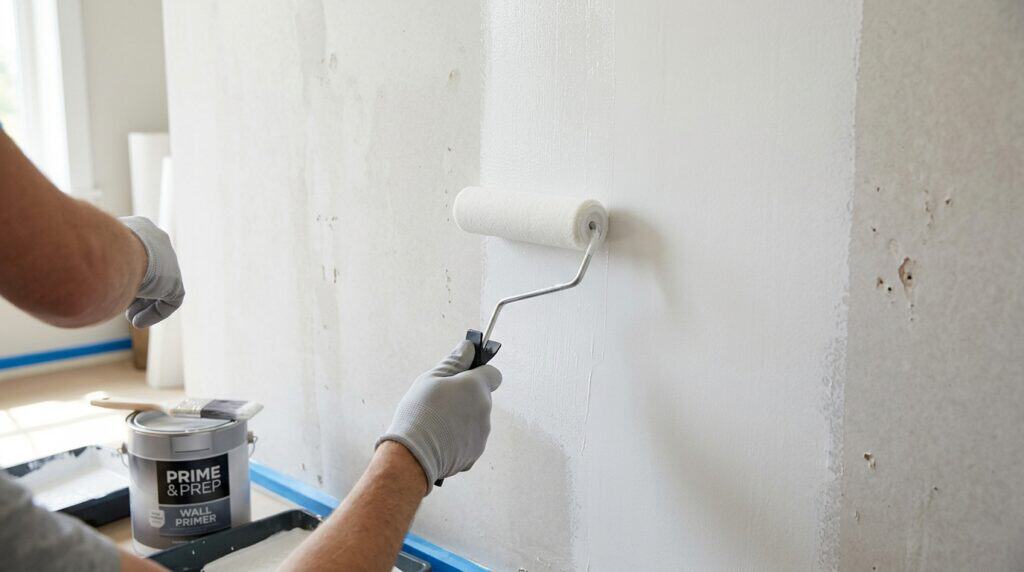
| Preparation | May lack specialized tools for cleaning, sanding, and priming. | Includes thorough surface cleaning, repairs, and proper priming for better adhesion. |
| Paint Selection | Often relies on general-purpose paints, not climate-specific. | Recommends and applies paints formulated for Edmonton’s temperature swings and moisture. |
| Application Quality | Can result in uneven coats, drips, or inadequate coverage. | Ensures smooth, even coats with proper technique and consistent thickness. |
| Durability Against Weather | Higher risk of premature peeling, cracking, and fading due to incorrect application. | Aims for a longer-lasting finish that resists common weather woes and paint damage. |
| Time and Effort | Requires significant personal time and physical effort. | Completes projects efficiently, allowing homeowners to save time and avoid physical strain. |
| Warranty/Guarantee | Typically no warranty on labor or materials. | Often includes warranties on workmanship and paint materials for added assurance. Testimonials from clients confirm our quality. |
Protect Your Home with Expert Painting
Protecting your home’s exterior from the effects of changing weather requires selecting the right materials and application methods. Extreme temperature swings, common in many regions, cause paint to expand and contract, leading to cracking and peeling over time. Choosing a high-performance exterior paint specifically formulated for these conditions can extend your home’s curb appeal and shield it from damage.
Phoenix Finishing Touch Painting offers painting solutions that help combat weather woes. We recommend durable elastomeric coatings for stucco or masonry, as they offer flexibility to move with temperature changes, helping prevent cracks. For wood siding, we prioritize premium acrylic latex paints that resist moisture and UV degradation.
Consider the following options for exterior protection, depending on your home’s specific needs and local climate challenges:
| Protection Type | Best for | Reason |
|---|---|---|
| Elastomeric Coatings | Stucco, concrete, masonry | Stretches and contracts with temperature changes, preventing cracks. Ideal for older homes or those with existing hairline fractures. |
| Premium Acrylic Latex Paint | Wood, fiber cement siding | Offers flexibility, breathability, and strong adhesion, resisting peeling and fading from sun and moisture. About our paint choices. |
| Mold and Mildew Resistant Additives | Shaded areas, high humidity zones | Inhibits organic growth, preserving paint appearance and structural integrity in damp conditions. |
| UV-Resistant Topcoats | South-facing walls, vibrant colors | Forms an extra barrier against harsh sunlight, delaying color fade and chalking. Our services include this option. |
FAQ
Given Edmonton’s unique climate, homeowners often have specific questions about protecting their exterior paint from the city’s notorious weather woes. This section addresses common concerns and provides insights into maintaining your home’s curb appeal amidst these challenges.
| Question | Answer |
|---|---|
| How do extreme temperature swings in Edmonton affect exterior paint? | Edmonton’s climate causes paint to expand in heat and contract in cold. This constant movement weakens paint adhesion over time. Extreme heat can lead to blistering, while severe cold makes paint brittle and prone to chipping. Phoenix Finishing Touch Painting uses paints formulated for these wide temperature variations. |
| What are common signs that exterior paint needs attention in Edmonton? | Look for fading or discoloration, especially on south-facing walls, due to sun exposure. Cracking or peeling indicates adhesion loss, often from moisture or poor preparation. Chalking, a powdery residue, means the paint binder is degrading. Blistering suggests trapped moisture trying to escape. |
| When is the best time to paint the exterior of a home in Edmonton? | Scheduling exterior painting during warmer seasons is generally recommended. Extreme cold below 5°C makes paint brittle and can hinder proper curing. While some cold-weather specific paints exist, application during more moderate temperatures ensures better adhesion and a longer-lasting finish. |
| Why should homeowners consider professional painting services for Edmonton’s weather challenges? | Professional painters have experience with Edmonton’s climate and use paints formulated for temperature swings and moisture. They ensure proper surface preparation, priming, and application techniques. This approach helps prevent premature peeling, cracking, and fading, common issues that impact a home’s appearance and protection. |