
Answer
Achieving a quality paint finish often depends on thorough preparation and selecting the right materials. Factors like surface condition, paint type, and proper application methods directly impact durability and appearance, which is important for homeowners seeking lasting results. Phoenix Finishing Touch Painting focuses on these elements to deliver consistent quality for every project.
Overview
Home painting can refresh a property’s appearance and protect its surfaces. Effective planning involves selecting appropriate paint, preparing surfaces, and considering project scope. This article explores key aspects of house painting, from material choices to maintaining the finish. It also includes a labeled real-world hypothetical featuring Eleanor to illustrate practical decisions.
- Paint Choices: Explore options for exterior paint selection.
- Professional Help: Learn about situations requiring professional painters.
- Real-World Example: See practical DIY painting prep steps.
- Project Costs: Understand factors for painting project budgeting.
- Recent Work: View Phoenix Painting examples.
- Paint Care: Find tips for maintaining a painted exterior.
Choosing the Right Exterior Paint
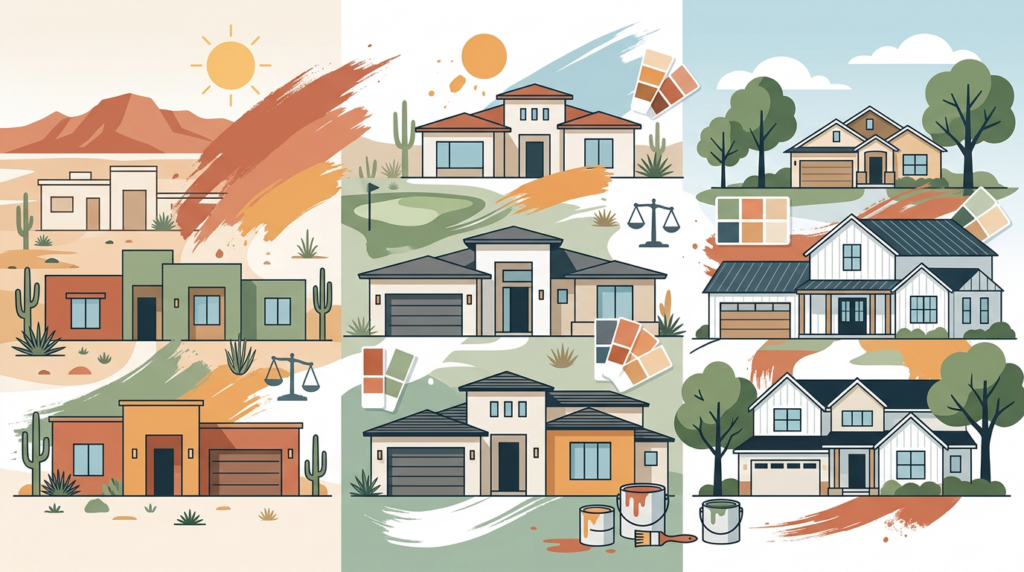
Selecting the appropriate exterior paint involves several considerations beyond just color. Factors like local climate, surface material, and desired finish all influence a paint’s durability and appearance over time. Edmonton Exterior Painting for example, faces harsh winters and hot summers, making weather resistance a top priority for local homes.
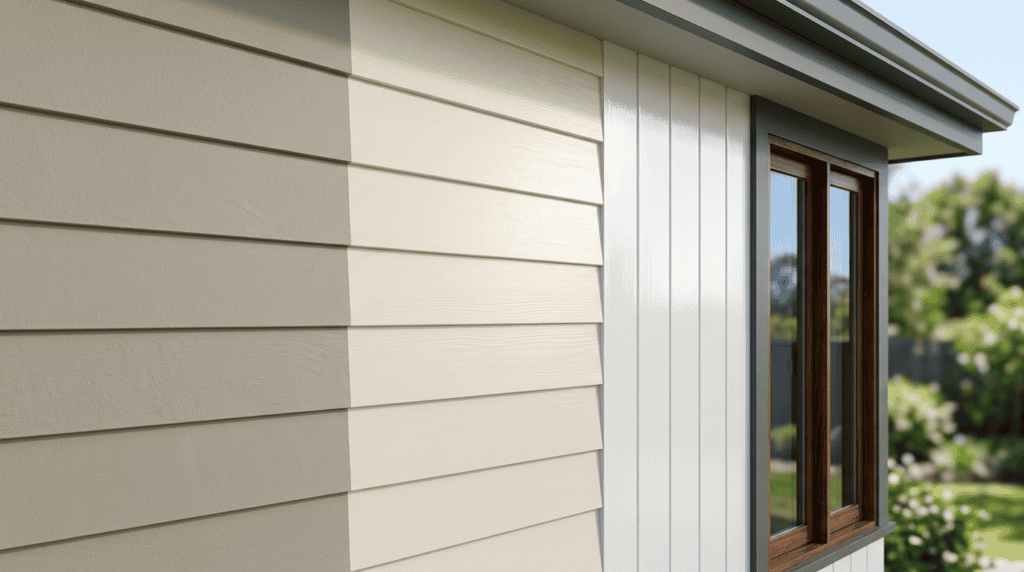
We see that homeowners often seek coatings that resist fading and cracking, particularly on exposed surfaces. Phoenix Finishing Touch Painting recommends high-quality paints that provide superior adhesion and fade resistance for long-lasting finishes, minimizing the need for frequent repainting. This practical house painting advice helps maintain curb appeal and protects your investment.
| Factor | Impact on Paint Choice |
|---|---|
| Surface Type | Different surfaces, like wood, stucco, or siding, require specific primers and paint formulations for proper adhesion and longevity. |
| Climate Conditions | Extreme temperatures, humidity, and UV exposure affect how paint weathers; consider elastomeric or acrylic latex paints for flexibility and fade resistance. |
| Color Selection | Lighter colors reflect more sunlight, potentially extending paint life, while darker colors absorb heat and may fade faster. |
| Desired Finish | Sheen levels, from flat to high-gloss, offer different aesthetic effects and levels of durability; higher sheens are often easier to clean. |
| Environmental Concerns | Low-VOC (volatile organic compound) paints reduce emissions and improve air quality, an important consideration for many homeowners. |
| Budget | While higher-quality paints may cost more initially, their longer lifespan can offer better value, reducing overall painting costs. For options, review our Edmonton Exterior Paint guide. |
When to Hire Professional Painters
Deciding when to hire professional painters versus attempting a DIY project often comes down to balancing desired quality, available time, and project complexity. Professionals bring specialized tools and techniques, which typically results in a more durable and aesthetically pleasing finish than many homeowners can achieve on their own.
For extensive exterior projects or detailed interior work, expert house painting advice suggests that professional services can save significant time and prevent costly errors. Phoenix Finishing Touch Painting helps homeowners evaluate their specific needs to determine if professional assistance is the best course. We often find that projects involving high ceilings or intricate trim benefit most from skilled application.
However, simple touch-ups or small, low-traffic interior areas may be suitable for a DIY approach if you have the necessary tools and patience. Consider the long-term wear and overall appearance you want for your home before making a final decision. Explore our services to see how we can assist.
| Consider Professional Painting When | Consider DIY Painting When |
|---|---|
| You need a consistent, high-quality finish on all surfaces. | You are working on small areas or simple touch-ups. |
| The project involves challenging surfaces, heights, or intricate details. | You have the necessary tools and experience for basic painting. |
| You lack the time or physical ability for extensive preparation and application. | You are comfortable with the prep work, painting, and cleanup process. |
| You want a warranty on the work and materials. | Your budget requires minimal external spending. |
| You want guidance on paint selection and application for durability, which is often detailed in a Edmonton Exterior Paint guide. | You enjoy home improvement projects and learning new skills. |
| You prefer minimizing disruption to your daily routine, as professionals work efficiently. | The project does not require specialized equipment or advanced techniques. |
DIY House Painting Prep Steps
For homeowners, the decision of how to approach a house painting project involves balancing aesthetic goals with the practicalities of surface preparation and material selection. Ensuring a durable and attractive finish requires careful consideration of these factors.
Eleanor wants her Edmonton home’s exterior to look its best, but she’s unsure whether to focus her budget on extensive surface prep or on high-quality paint. She’s weighing the long-term durability benefits of both approaches, wondering which will give her the most striking and lasting result. Should Eleanor prioritize meticulous surface preparation or invest in premium paint for her upcoming house painting project in Edmonton?
Recommendation: Prioritize Thorough Surface Preparation
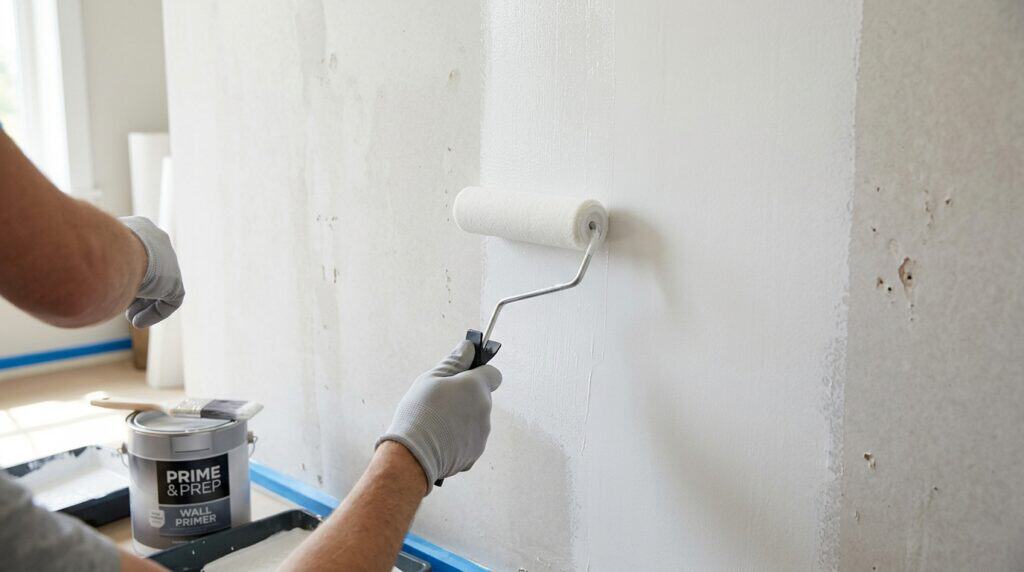
Phoenix Finishing Touch Painting would recommend prioritizing thorough surface preparation, as it forms the foundation for any successful paint job. This ensures better adhesion and a smoother finish, regardless of the paint quality chosen, leading to a more durable and attractive outcome.
Budgeting for Your Painting Project
Planning for a painting project involves more than just the cost of paint; it includes preparation, labour, and potential repairs. Homeowners seeking house painting advice often start by calculating these elements to create a realistic financial plan. For instance, the size of the area to be painted directly influences material and labor costs, making accurate measurements a primary step.
The type of paint and finish also influences the overall budget. Higher-quality paints generally offer better durability and coverage, reducing the need for frequent repaints, but come with a higher initial price tag. Phoenix Finishing Touch Painting recommends considering long-term value over upfront savings for exterior projects, especially given regional weather conditions.
Labor costs typically constitute a significant portion of the budget, varying based on project complexity and preparation requirements. Projects requiring extensive surface repair or intricate detail work naturally command higher labor charges. We often find that detailed preparation, like patching and sanding, helps ensure a smooth, lasting finish, justifying the investment in skilled work.
| Cost Factor | Description |
|---|---|
| Paint Type and Quality | Premium paints offer better durability and coverage, potentially reducing future repainting needs. Consider options like those discussed in exterior paint choices. |
| Surface Preparation | Includes cleaning, sanding, patching, and priming. Extensive prep work adds to labor and material costs. Painting Prep Steps details these actions. |
| Labor Charges | Hourly or project-based fees for painters, influenced by project size, complexity, and required skill. |
| Additional Materials | Brushes, rollers, drop cloths, tape, and specialized equipment like scaffolding for high areas. |
| Repairs | Costs for fixing drywall, siding, or trim before painting can add to the budget. |
Phoenix Painting Project Examples
Showcasing completed projects helps homeowners visualize potential transformations. Each project presents unique challenges, whether it involves delicate trim work or extensive exterior surface preparation. We pride ourselves on delivering consistent results, paying close attention to detail from the initial consultation to the final brushstroke.
When selecting paint colours or finishes, homeowners often benefit from seeing real-world applications. Our portfolio includes a variety of property types and styles, demonstrating our adaptability and skill across different project scopes. Phoenix Finishing Touch Painting offers specific house painting advice based on the existing architecture and desired outcome for each home.
Our experience includes refreshing outdated interiors and revitalizing worn exteriors, always aiming for a durable and aesthetically pleasing finish. We approach each job with a commitment to quality, ensuring the paint lasts and enhances the home’s appeal. Explore some examples of our work below, showing the range of transformations we achieve.
| Project Type | Key Features | Typical Scope |
|---|---|---|
| Full Exterior Refresh | Preparation for diverse siding materials, weather-resistant paints. | Includes power washing, minor repairs, and two coats of premium exterior paint for an average 1,800 sq ft home. See our Exterior Gallery. |
| Interior Living Spaces | Colour consultation, attention to detail around fixtures and trim. | Painting walls, ceilings, and trim in common areas like living rooms and dining rooms, typically covering 500–800 sq ft. |
| Heritage Home Restoration | Careful surface preparation, matching historical colour palettes. | Detailed work on intricate architectural elements, often requiring specialized primers and application techniques for lasting results. View our Before & Afters. |
Maintaining Your Painted Exterior
Regular maintenance protects your home’s exterior paint from early degradation and keeps it looking fresh. Periodic cleaning and inspection prevent dirt buildup and catch minor issues before they become larger, more costly repairs. This proactive approach extends the life of your paint job, preserving both curb appeal and the integrity of your home’s surfaces.
We advise homeowners here to inspect their exteriors annually, especially after harsh weather seasons, to check for chipping, fading, or mildew growth. Addressing these concerns promptly can prevent moisture damage and maintain the protective barrier of the paint. For long-term protection, some homeowners benefit from specific house painting advice on touch-up techniques and appropriate cleaning solutions.
Phoenix Finishing Touch Painting recommends a gentle wash with mild detergent and a soft brush every one to two years to remove surface grime. If you observe persistent issues like peeling or excessive chalking, consider professional advice. Paint Durability Factors can influence how often you need to clean or perform touch-ups.
| Maintenance Task | Recommended Frequency | Benefit for Paint Durability |
|---|---|---|
| Surface Cleaning | Every 1-2 years | Removes dirt, mildew, and pollutants that can degrade paint films; maintains color vibrancy. |
| Inspection for Damage | Annually, especially after winter | Identifies cracks, chips, or peeling early, preventing moisture intrusion and larger repair needs. |
| Minor Touch-Ups | As needed | Protects exposed areas from weather and prevents small flaws from spreading. |
| Caulking Inspection | Every 2-3 years | Ensures seals around windows and doors remain intact, preventing water damage behind paint. |
| Professional Assessment | Every 5-10 years, or when significant issues appear | Provides expert diagnosis of paint condition and recommendations for restoration or repainting to ensure lasting quality. For more information about maintaining your property, you may want to review our About page. |
FAQ
To help you make informed decisions about your upcoming project, we’ve compiled answers to some common questions about house painting advice, specifically tailored for homeowners in Edmonton.
| Question | Answer |
|---|---|
| What factors should Eleanor consider when deciding between prioritizing surface preparation or investing in premium paint for her Edmonton home’s exterior? | Eleanor should prioritize thorough surface preparation. This ensures better paint adhesion and a smoother finish, which leads to a more durable and attractive outcome regardless of the paint quality. Proper prep work forms the foundation for any successful paint job. |
| How can homeowners in Edmonton choose the right exterior paint for their specific climate? | When selecting exterior paint for Edmonton’s climate, consider paints that offer strong weather resistance due to harsh winters and hot summers. Look for coatings that resist fading and cracking, especially on exposed surfaces. High-quality paints with superior adhesion and fade resistance are recommended for lasting finishes. |
| When might a homeowner in Edmonton opt for professional painters instead of a DIY approach for their house painting project? | Homeowners might choose professional painters for extensive exterior projects or detailed interior work, as professionals bring specialized tools and techniques for a more durable finish. Projects involving high ceilings or intricate trim also benefit greatly from skilled application. |
| What are the key elements to consider when budgeting for a house painting project in Edmonton? | Budgeting for a painting project includes paint costs, preparation, labor, and potential repairs. The size of the area, type and quality of paint, and labor charges based on project complexity all influence the budget. Higher-quality paints may cost more initially but offer better long-term value. |