
Answer
Applying a primer before painting provides a foundational layer that improves adhesion, hides surface imperfections, and creates a uniform base for the topcoat. Phoenix Painting recommends paint primer use to ensure better color accuracy, increased durability of the finish, and to prevent stains from bleeding through, especially on surfaces like bare wood or previously damaged drywall. Skipping primer can lead to uneven finishes and reduced paint longevity, requiring more coats and potentially future rework.
Overview
Applying primer correctly is a critical step for achieving professional painting results. This article breaks down when primer is needed, how it differs from paint, and how to select the right type for various projects. It also includes a labeled real-world hypothetical featuring Mark, which demonstrates how proper primer selection influences the final finish.
- When to Prime: Discover the specific conditions that make paint primer use essential for surface preparation.
- Primer vs. Paint: Learn the distinct roles each product plays in a successful painting project.
- Real-World Example: See a scenario where choosing the correct primer impacts project success.
- Wall Transformation: Explore how a primer coat can visibly improve your walls before the topcoat.
- Flawless Application: Get tips on applying primer for an even and smooth base.
- Phoenix Recommendations: Review primer recommendations from Phoenix Painting for various surfaces.
When Does Paint Primer Use Become Essential?
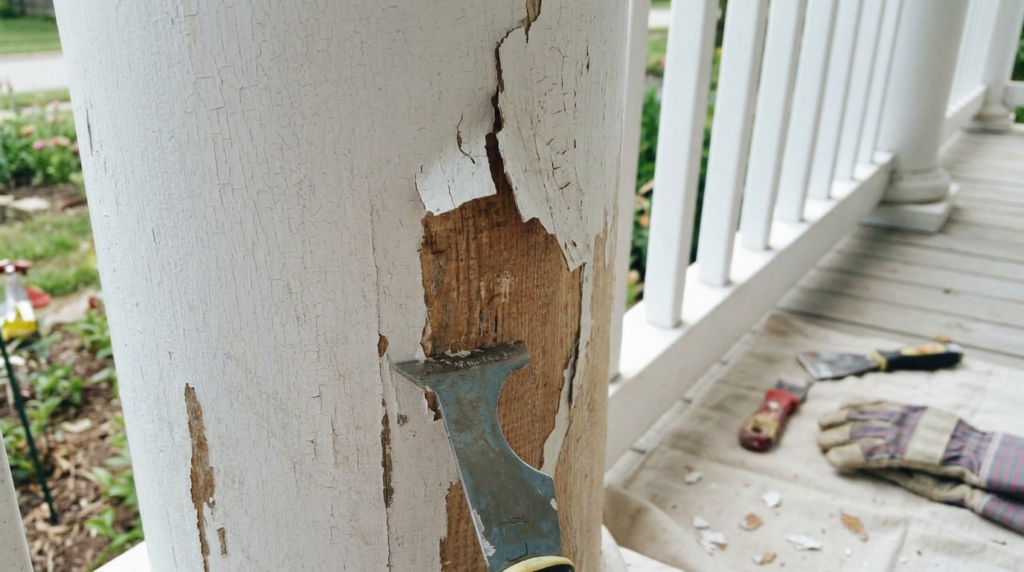
Fresh paint requires a stable foundation to adhere properly, otherwise it may peel or look uneven. Paint primer use becomes essential in several situations to ensure the final coat performs as expected and lasts longer.
Phoenix Painting observes that skipping primer on certain surfaces often leads to callbacks for issues like blotchy finishes or poor adhesion. We recommend primer when changing paint colors dramatically or when dealing with porous materials to achieve a professional result for our services.
The following table outlines common scenarios where applying primer is a necessary step for surface preparation:
| Scenario | Why Primer is Needed |
|---|---|
| Painting Bare Wood or Drywall | These surfaces absorb paint unevenly, leading to a splotchy finish. Primer seals the surface, ensuring uniform absorption and better adhesion for the topcoat. |
| Changing Paint Colors Drastically | When switching from a dark color to a light one, primer helps block the old color from bleeding through. This reduces the number of topcoats needed for full coverage. |
| Painting Over Stains (Water, Smoke, Grease) | Stains can bleed through new paint layers without a barrier. Stain-blocking primers encapsulate these marks, preventing their reappearance. |
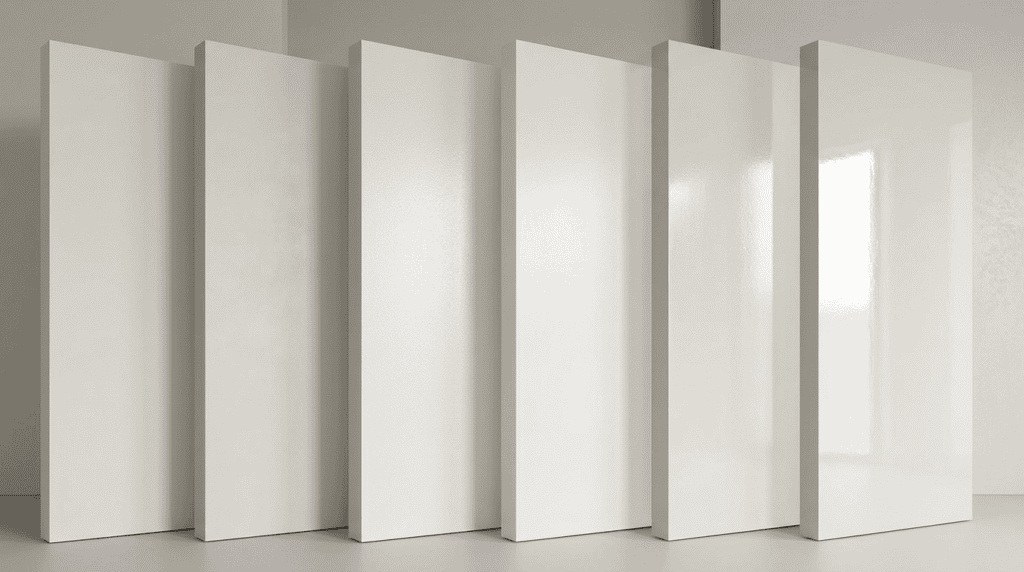
| Painting Over Glossy Surfaces | High-gloss paints or varnishes provide a slick surface where new paint struggles to stick. Primer creates a dull, textured base for proper paint adhesion. |
| Dealing with Odors | Some primers are formulated to seal in odors from smoke or pets, preventing them from permeating through fresh paint. |
| Painting Previously Damaged Surfaces | Repaired areas, such as patched drywall, can have different textures and porosity. Primer evens out these differences for a consistent finish. For more details, see paint primer use. |
Primer vs. Paint: Functions Explained
Paint and primer fulfill distinct roles in achieving a lasting finish, with each product engineered for specific functions. Recognizing these differences helps ensure proper application and optimal results for any painting project.
Primer creates a foundational layer that promotes adhesion, seals surfaces, and blocks stains. Paint, on the other hand, provides the desired color, sheen, and a protective topcoat. Phoenix Painting observes that selecting the appropriate product for each stage leads to a more durable and visually appealing outcome for surfaces in Edmonton properties.
| Feature | Primer | Paint |
|---|---|---|
| Purpose | Prepares the surface for paint; seals, promotes adhesion, blocks stains. | Provides color, protection, and decorative finish. |
| Composition | Higher solids content, lower pigment; often contains binding resins. | Higher pigment content, lower solids; includes binders and additives for color and durability. |
| Application | Applied as the first coat directly to the prepared surface. | Applied after primer (or directly to a prepared, previously painted surface). |
| Benefits | Improved adhesion, uniform finish, stain blocking, increased paint durability. | Color accuracy, washability, abrasion resistance, UV protection. |
| When to Use | New drywall, bare wood, stained surfaces, significant color changes. | After primer application, as a refresh coat over existing paint, or for decorative purposes. |
Choosing the Right Primer for Your Project
Deciding whether to apply a primer before painting is a common dilemma for interior renovation projects. The choice impacts the final appearance, durability, and overall effort required to achieve a professional finish.
Mark is renovating his living room in Edmonton, Alberta, and has just finished repairing some damaged drywall sections. He worries about the patches showing through or affecting the paint’s adhesion. Should I use a paint primer on my newly repaired drywall in Edmonton, Alberta?
Recommendation: Primer for New or Repaired Drywall
Phoenix Painting recommends using a paint primer on new or repaired drywall to ensure a uniform surface and optimal adhesion for your topcoat. This step prevents the porous new material from absorbing paint unevenly, which can lead to a patchy appearance. Proper painting prep steps save time and improve results.
Selecting the correct type of primer depends on the surface you are painting and the desired outcome. For example, a stain-blocking primer prevents previous marks from bleeding through new paint, while an adhesion primer helps new paint stick to glossy or difficult surfaces. Consider the condition of the surface and the type of topcoat you plan to use.
| Primer Type | Ideal Application |
|---|---|
| Stain-Blocking Primer | Covers water stains, smoke damage, crayon marks, or knots in wood. |
| Adhesion Primer | Bonds to glossy surfaces, tile, laminate, or non-porous materials where paint struggles to stick. |
| Drywall Primer | Seals new drywall, evens out porosity, and provides a smooth base for paint. |
| Multi-Purpose Primer | Suitable for general use on various surfaces, offering good adhesion and coverage. |
| Odor-Sealing Primer | Traps and blocks strong odors from smoke, pets, or moisture. |
Phoenix Painting consistently sees improved results when clients follow appropriate paint primer use guidelines. We recommend a specialized primer when dealing with specific challenges like significant stains or difficult surfaces. This ensures a long-lasting, professional finish for your painting services.
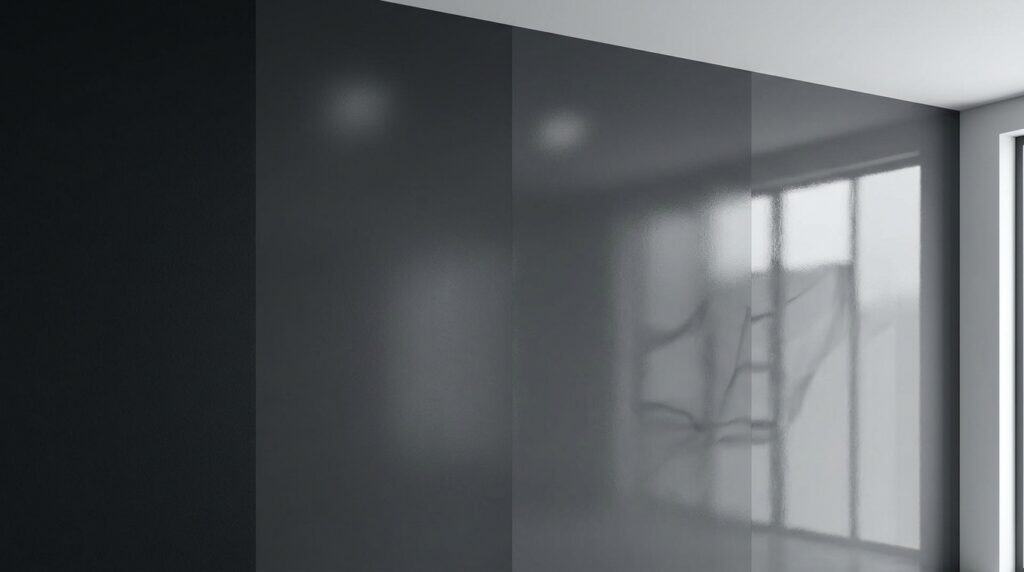
How Primer Use Transforms Your Walls
Primer creates a foundational layer that significantly impacts the final look and longevity of painted surfaces. It helps to seal porous materials, block stains, and ensure the topcoat adheres properly, ultimately enhancing the durability of the finish. Phoenix Painting consistently sees improved results when a quality primer is applied before painting.
Proper paint primer use offers multiple benefits, including better adhesion for the topcoat, which reduces the likelihood of chipping or peeling over time. This preparatory step also helps achieve a more uniform color, especially when transitioning from a dark wall color to a lighter one. For example, a primer can improve coverage by up to 25% on porous surfaces compared to applying paint directly.
| Primer’s Impact | Benefit to Walls |
|---|---|
| Enhanced Adhesion | Paint grips the surface more effectively, preventing future peeling. |
| Stain Blocking | Conceals water stains, smoke damage, or grease, stopping them from reappearing through the new paint. |
| Even Sheen | Promotes a consistent finish across the entire wall, avoiding patchy areas. |
| Increased Durability | Extends the lifespan of the paint job, offering greater resistance to wear and tear. |
| Improved Coverage | Reduces the number of topcoats needed, potentially saving material and labor. Painting Prep Steps |
| Color Accuracy | Ensures the true color of the paint shows through without interference from the old surface. |
| Surface Sealing | Seals porous materials like new drywall or bare wood, preventing the paint from soaking in unevenly. Primer vs Paint Functions Explained |
Applying Primer for a Flawless Finish
Achieving a smooth, even paint finish begins with proper primer application. A well-primed surface ensures better adhesion for the topcoat, which prevents peeling and chipping over time. Skipping this step can lead to costly diy painting mistakes and an unsatisfactory final appearance.
Phoenix Painting consistently sees improved outcomes when surfaces are correctly prepped, especially on materials with varying porosity or existing stains. We advise homeowners to dedicate sufficient time to preparation, as it directly impacts the longevity and quality of their painting project. This careful approach makes subsequent paint primer use more effective.
Key Steps for Effective Primer Application
- Prepare the Surface: Clean the area thoroughly, removing all dust, grease, and loose debris. Sand any rough spots to create a smooth texture.
- Mask and Protect: Use painter’s tape to mask off trim, windows, and other areas not meant to be painted. Lay down drop cloths to protect flooring and furniture.
- Stir the Primer: Mix the primer well before and during application to ensure an even consistency. This prevents pigment separation and ensures uniform coverage.
- Apply Thin, Even Coats: Use a high-quality brush or roller to apply primer in thin, even layers. Avoid overloading the brush or roller to prevent drips and streaks.
- Allow for Drying: Refer to the manufacturer’s instructions for drying times between coats and before applying the topcoat. Proper drying prevents adhesion issues.
- Inspect and Touch Up: After the primer dries, inspect the surface for any missed spots or imperfections. Apply a second coat if needed for better coverage or stain blocking.
Trade-offs of Skipping Primer
While skipping primer may seem like a time-saver, it often leads to more work and a less durable finish. Without primer, paint may absorb unevenly, resulting in a splotchy appearance that requires additional coats. This can increase material costs and extend project timelines.
In cases where a surface is already painted with a similar color, is in good condition, and uses the same paint type, primer might sometimes be omitted. However, even in these situations, applying a thin coat of primer can still enhance durability and ensure consistent sheen. When in doubt, a primer layer services as a reliable safeguard for your paint job.
| Pros of Priming | Cons of Skipping Primer |
|---|---|
| Improved paint adhesion, reducing peeling. | Poor adhesion, leading to premature paint failure. |
| Better color accuracy and vibrancy for topcoat. | Inconsistent color and finish, requiring more paint. |
| Seals porous surfaces, requiring fewer topcoats. | Increased paint absorption, leading to higher material use. |
| Blocks stains and prevents bleed-through. | Stains and old colors may show through the new paint. |
| Creates a uniform base for a smoother finish. | Uneven texture and visible surface imperfections. |
| Extends the lifespan of the paint job. | Reduced durability and a shorter paint life. |
Phoenix Painting Primer Recommendations
Selecting the correct primer ensures lasting results and a professional finish for painting projects. Phoenix Painting emphasizes proper surface preparation, including specific paint primer use, for every project to ensure optimal paint adhesion and durability. We often encounter surfaces requiring specialized primers, from sealing stains on drywall to preparing glossy trim for a new color.
Our experience shows that choosing the right primer saves time and materials by minimizing coats and preventing common issues like peeling or uneven coverage. When preparing various surfaces, we recommend a primer tailored to the material and condition. This approach helps achieve the best outcome for all painting services our services.
| Project Type | Recommended Primer | Reasoning |
|---|---|---|
| New Drywall or Patched Areas | PVA (Polyvinyl Acetate) Primer | Seals porous surfaces evenly and promotes adhesion for finish coats. |
| Stain Blocking (Water Damage, Smoke) | Shellac-Based Primer | Seals stains effectively and prevents bleed-through, drying quickly for recoating. | Glossy Surfaces (Tile, Laminate) | Adhesion Primer | Creates a strong bond on slick, non-porous materials where regular paint might chip. |
| Bare Wood or Heavily Stained Wood | Oil-Based Primer | Blocks tannins from bleeding through and provides a smooth base for topcoats. |
| Exterior Metal | Rust-Inhibiting Primer | Protects against corrosion and ensures paint adheres to metal surfaces outdoors. |
Phoenix Painting recommends contacting us for a consultation, especially for complex projects or when dealing with unusual surfaces to ensure the right primer is chosen from the start. We can provide further guidance for any Edmonton exterior paint needs or interior painting services.
FAQ
To help clarify common questions about paint primer use, we’ve compiled answers to some of the most frequently asked questions about when and why to prime.
| Question | Answer |
|---|---|
| When should I use a stain-blocking primer in Edmonton? | Use a stain-blocking primer in Edmonton when you need to cover water stains, smoke damage, grease marks, or wood knots. This type of primer seals these blemishes, preventing them from bleeding through your new paint layers. It helps ensure a clean, uniform finish on your walls. |
| How does primer improve paint adhesion on glossy surfaces? | Primer improves paint adhesion on glossy surfaces by creating a dull, textured base. Glossy finishes are slick, making it difficult for new paint to stick. A primer provides a surface that paint can grip onto more effectively, reducing the chance of peeling or chipping later. |
| What happens if I don’t use primer on bare wood or new drywall? | If you don’t use primer on bare wood or new drywall, these porous surfaces will absorb paint unevenly. This can result in a splotchy or patchy appearance. Primer seals these materials, ensuring uniform absorption and a better overall finish for your topcoat. |
| Can I skip primer when painting over a dark color with a light one? | You can often skip primer when painting over a dark color with a light one if you apply many coats of the lighter paint. However, using a primer specifically designed to block dark colors will help cover the old shade more effectively. This reduces the number of topcoats needed for full coverage and saves time. |