
Answer
A good Home Painting Checklist begins with proper surface cleaning and preparation, which can save up to 25% of project time compared to skipping these steps. This ensures a durable finish and better paint adhesion, reducing the need for premature touch-ups. Phoenix Finishing Touch Painting emphasizes detailed surface assessment as part of our painting services, ensuring a smooth, lasting result for every home.
Overview
Proper planning for interior or exterior updates sets the foundation for a durable paint finish. This includes reviewing surfaces, selecting appropriate materials, and coordinating project timelines. A well-organized approach ensures every stage progresses smoothly, minimizing disruptions.
The following sections detail important considerations for residential painting projects, including a real-world hypothetical featuring Liam, who is planning a home painting project.
- Preparation Steps: Get ready for a smooth project with essential painting steps.
- Select Finishes: Decide on the right look with advice on paint and finishes.
- Home Readiness: Learn how to prepare your property for painters to begin.
- Real-World Example: See how Liam handled his painting preparations.
- Project Duration: Discover what occurs during the painting.
- Final Review: Confirm quality with inspection and touch-ups.
- Phoenix Difference: Explore why Phoenix Painting is a top choice.
Essential Steps Before Edmonton Home Painting
Before any paint application, proper surface cleaning and preparation can reduce project duration by up to 25%. This foundational work ensures the new paint adheres correctly and provides a more durable finish, minimizing the need for touch-ups. Phoenix Finishing Touch Painting advises homeowners to focus on these preparatory stages for lasting results, as skipping them often leads to premature paint failure.
We often observe that homeowners benefit from a detailed Home Painting Checklist early in the process, especially when planning a larger project. Our painters can offer advice on initial planning and help identify common issues before they become costly problems. For a smooth process, consider these initial steps when preparing for painting services in Edmonton, Alberta.
| Preparation Task | Why It Matters |
|---|---|
| Surface Cleaning | Removes dirt, grease, and grime for better paint adhesion. |
| Minor Repairs | Fixes small cracks, holes, and imperfections for an even finish. |
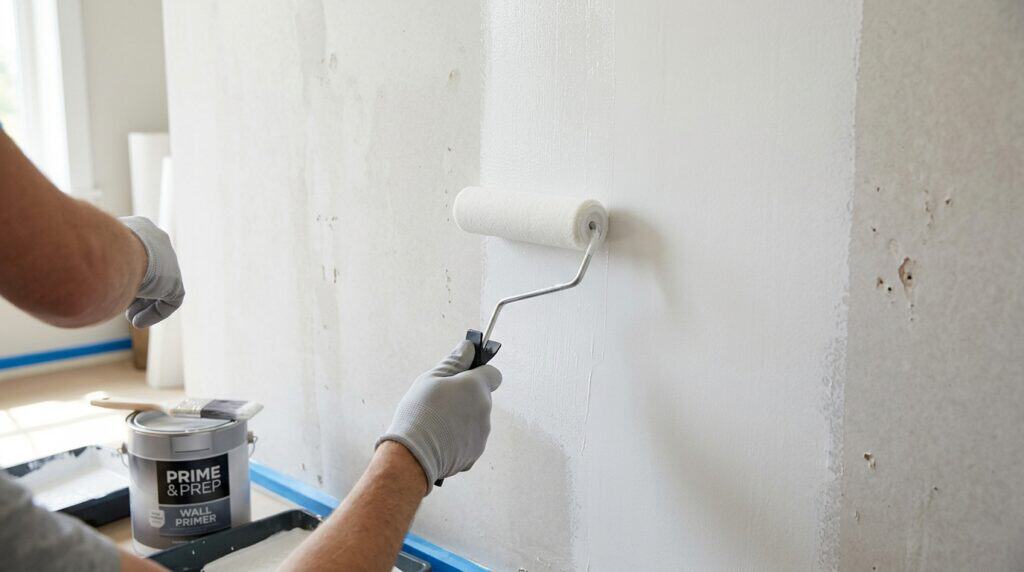
| Sanding and Priming | Creates a smooth base and improves paint coverage and durability. This step is also a good opportunity to review painting prep steps. |
| Color Selection | Choosing the right hues affects mood and overall aesthetic. Consider paint sheen comparison to make an informed choice. |
| Material Gathering | Ensures all necessary tools and supplies are available before starting the project. |
Choosing Paint and Finishes
Selecting the correct paint type and finish influences both appearance and longevity. We consider factors like room usage and expected wear when recommending products to clients here in Edmonton. For example, high-traffic areas benefit from durable finishes that withstand frequent cleaning.
We advise homeowners to think about the functionality required for each space. A kitchen or bathroom may require moisture-resistant paint, while a living room benefits from paint that provides a smooth, washable surface. Phoenix Finishing Touch Painting helps clients weigh these options, ensuring the chosen product performs well over time.
| Paint Type | Best For | Key Characteristics |
|---|---|---|
| Latex Paint | Walls, ceilings, trim | Water-based, easy cleanup, quick drying. Ideal for paint sheen comparison and general interior surfaces. |
| Oil-Based Paint | Trim, doors, cabinets | Durable, smooth finish, better adhesion to challenging surfaces. Requires mineral spirits for cleanup. |
| Primer | New drywall, stained surfaces | Prepares surfaces, improves paint adhesion, blocks stains. Essential for a lasting finish before applying paint finishes matte. |
Home Preparation for Painters
When undertaking a home painting project, the importance of thorough preparation cannot be overstated. Skipping crucial steps like cleaning and surface assessment can significantly impact the final outcome and longevity of the paint job.
Liam is looking at his Edmonton home’s interior walls, contemplating his upcoming painting project. He’s eager to get it done but wonders if dedicating significant time to cleaning and prep work is truly necessary, or if he can afford to cut those corners to finish faster. Should Liam prioritize a detailed surface cleaning and preparation phase, or is it acceptable to streamline these steps to save time?
Recommendation: Prioritize Thorough Surface Preparation
Phoenix Finishing Touch Painting strongly recommends prioritizing a detailed surface cleaning and preparation phase. This critical step ensures optimal paint adhesion and a durable finish, potentially saving significant time on touch-ups and rework later on.
During Your Home Painting Project
The actual painting process involves several coordinated steps to ensure a smooth, lasting finish. After thorough preparation, Phoenix Finishing Touch Painting focuses on precise application techniques, aiming for consistent coverage and clean lines. This careful approach minimizes imperfections and contributes to the overall quality of your newly painted spaces.
Once painting begins, expect activity to follow a defined sequence. Our process includes initial priming, applying color coats, and allowing proper drying times between layers. We find that clear communication throughout this stage helps homeowners stay informed and comfortable with the progress of their project.
The painting checklist covers the application of primers and paints, with specific considerations for different surfaces and desired finishes. For instance, when painting interior walls, we typically apply a primer, followed by two coats of the chosen color, allowing sufficient drying time. This process ensures paint adhesion and color depth.
| Project Stage | Description |
|---|---|
| Priming | Surfaces receive a coat of primer to promote adhesion and uniform color. This step is especially important for new drywall or when changing paint colors significantly. |
| First Coat Application | Painters apply the initial layer of your chosen paint color. Even coverage during this stage sets the foundation for the final look. |
| Drying Time | Adequate drying time between coats prevents smudging and ensures proper curing. This duration varies based on paint type and environmental conditions. Review our House Painting Advice for insights on drying. |
| Second Coat Application | The second coat provides depth and consistency, concealing any minor imperfections from the first layer. This creates a finished appearance. |
| Detail Work | Painters address trim, corners, and edges to achieve crisp lines and a professional finish. This includes any touch-ups needed. |
| Final Inspection | A detailed walk-through ensures all areas meet quality standards. We invite clients to review the finished work, which is part of our services. |
Post-Painting Inspection and Touch-Ups
A thorough post-painting inspection ensures a lasting finish and addresses any imperfections. This final review prevents future issues and confirms all aspects of the project meet expectations. At Phoenix Finishing Touch Painting, we complete a detailed walk-through with homeowners to confirm satisfaction before project completion.
When inspecting painted surfaces, look for common issues such as uneven coats, visible brush strokes, or drips. We recommend checking corners, edges, and areas around fixtures, as these spots often reveal missed sections or inconsistencies. Addressing these small details immediately helps avoid larger repairs later.
Sometimes minor touch-ups are needed, particularly if furniture is moved too soon or if an accidental scuff occurs. However, extensive touch-ups could indicate an issue with the initial preparation or application, which requires a closer look. For significant issues, consult with the painting service to determine the best course of action.
| Common Issues to Check For | Correction Method |
|---|---|
| Uneven paint application | Additional light coat of paint after proper drying time |
| Visible brush strokes or roller marks | Light sanding and reapplication, ensuring proper paint thinning if needed |
| Drips or runs | Careful scraping or sanding, followed by touch-up painting |
| Paint splatters on adjacent surfaces | Gentle cleaning with appropriate solvent or careful scraping |
| Areas of poor adhesion or peeling | Scraping, sanding, priming, and repainting. Prevent this by following essential steps before painting. |
| Incomplete coverage in corners or edges | Precise application with a smaller brush or edging tool. See common painting mistakes to avoid. |
Why Choose Phoenix Finishing Touch
Selecting a painting service requires confidence in quality and a lasting finish. We prioritize thorough preparation and meticulous application, which sets us apart for homeowners seeking durable results. Our expertise in surface assessment ensures each project achieves optimal paint adhesion and a smooth appearance.
Phoenix Finishing Touch Painting has established a reputation for delivering consistent quality in Edmonton. We focus on clear communication and attention to detail throughout every project, from initial consultation to the final inspection. This commitment minimizes future issues and helps maintain your home’s aesthetic appeal.
| Reason to Choose Us | Benefit for Your Home |
|---|---|
| Detailed Surface Preparation | Ensures paint longevity and a smooth finish. |
| Meticulous Paint Application | Provides even coats and avoids common issues like streaks or drips. |
| Post-Project Inspection | Confirms satisfaction and addresses any concerns promptly, as detailed in our post-painting inspection process. |
| Color Consultation | Guides your selection to achieve the desired aesthetic. Paint Sheen comparison can assist with this choice. |
| Transparent Process | Keeps you informed at every stage of the painting project. |
FAQ
To help you navigate your next painting project with confidence, we’ve compiled answers to some common questions about using a Home Painting Checklist.
| Question | Answer |
|---|---|
| What is the benefit of cleaning surfaces before painting? | Cleaning surfaces removes dirt, grease, and grime, which allows new paint to adhere correctly. This foundational step ensures a more durable finish and minimizes the need for premature touch-ups. Proper cleaning can reduce overall project time by up to 25%. |
| How does paint sheen affect a room’s appearance and durability? | Different paint sheens offer varying levels of durability and visual effects. For example, moisture-resistant paints are often recommended for kitchens and bathrooms due to their ability to withstand cleaning. High-traffic areas benefit from finishes that can handle frequent cleaning and wear. |
| Should Liam prioritize detailed surface preparation for his painting project? | Yes, Liam should prioritize a detailed surface cleaning and preparation phase. This critical step ensures optimal paint adhesion and a durable finish, potentially saving significant time on touch-ups and rework later on. Skipping this can impact the final outcome and longevity of the paint job. |
| What should homeowners look for during a post-painting inspection in Edmonton? | During a post-painting inspection, homeowners should check for uneven coats, visible brush strokes, or drips. It is also important to examine corners, edges, and areas around fixtures for missed sections or inconsistencies. Addressing these details promptly helps avoid larger repairs later. |