
Answer
Selecting appropriate living room paint finishes depends heavily on a room’s traffic, light exposure, and desired aesthetic. For instance, a matte finish helps conceal wall imperfections and offers a soft, elegant look, making it ideal for low-traffic living rooms or areas where a subdued ambiance is preferred. Phoenix Finishing Touch Painting recommends considering how these elements interact to achieve the best result for your home.
Overview
Selecting the correct finish for your living room involves more than just aesthetics; it affects durability, ease of cleaning, and how light interacts with the space. This guide examines how different paint sheens perform in various living room settings. We look at factors like traffic levels and natural light to help you make informed decisions for your home.
This guide also includes a labeled real-world hypothetical from Sarah’s scenario, offering practical advice on choosing the best finish under specific conditions.
- Choose Finish: Learn about factors that influence your selection for living room walls.
- Different Finishes: Compare the characteristics of various paint sheens.
- Sheen Types: Explore the distinct properties of matte, eggshell, and satin paints.
- Lighting Effects: Discover how paint interacts with light in a living room.
- Real-World Example: Review Sarah’s scenario to see practical application.
- Painting Services: Find out how Phoenix Finishing Touch Painting helps homeowners.
Choose Your Living Room Paint Finish
The right paint finish profoundly impacts a room’s aesthetic and how well it withstands daily activity. Consider the purpose of your living room and the amount of traffic it receives when selecting the ideal sheen. Phoenix Finishing Touch Painting recommends matching finish durability to your household’s lifestyle for lasting results.
Determining the best finish involves balancing visual appeal with practical considerations like cleanability and imperfection concealment. For instance, a finish that works well in a formal sitting area may not suit a busy family room. We consider these factors when helping clients select appropriate options for their home.
Different Living Room Paint Finishes
Paint finishes extend beyond mere color, impacting both aesthetics and durability. Selecting the correct sheen influences how light reflects off the walls and how well the surface resists everyday wear. Phoenix Finishing Touch Painting helps homeowners evaluate their lifestyle and preferences to choose the best option for their living spaces.
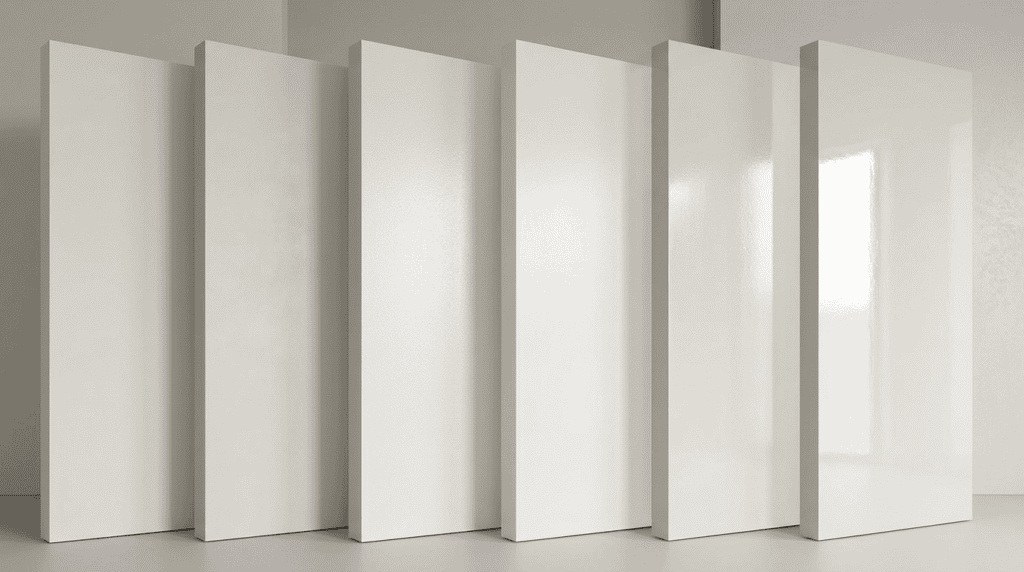
The varying characteristics of paint sheens can significantly alter a room’s feel and maintenance requirements. For example, a higher sheen often translates to increased durability, making it suitable for areas with more activity or potential for scuffs and marks. Conversely, lower sheens offer a softer, more subtle appearance, which can help mask minor wall imperfections.
We see that many clients choose between several common options for their living room paint finishes, each with distinct advantages depending on their specific needs. Understanding these distinctions helps achieve a desired look and ensures the paint holds up over time. Reviewing a paint sheen comparison can help clarify the differences in gloss and resistance.
| Finish Type | Sheen Level | Durability | Light Reflection |
|---|---|---|---|
| Flat/Matte | No sheen | Low | Absorbs light, conceals flaws |
| Eggshell | Slight sheen | Moderate | Soft glow, easy to clean |
| Satin | Medium sheen | Good | Noticeable sheen, durable |
| Semi-Gloss | High sheen | Very Good | Shiny, highlights details |
| Gloss | Highest sheen | Excellent | Mirror-like, highly reflective |
Matte, Eggshell, Satin Living Room Paint
Selecting the right sheen for living room paint finishes can dramatically alter a room’s appearance and how well it stands up to daily life. Each finish type offers distinct characteristics, from light reflection to durability, impacting both aesthetics and practicality. Phoenix Finishing Touch Painting recommends considering these factors when choosing a finish for your home’s central gathering space.
Matte, eggshell, and satin are among the most popular choices for residential interiors due to their varying levels of sheen and resilience. We guide clients through these options by discussing how natural light interacts with each finish and identifying areas prone to scuffs or marks. For example, a matte finish helps hide imperfections, while a satin finish provides greater washability.
| Finish Type | Appearance | Washability | Ideal Placement |
|---|---|---|---|
| Matte | Non-reflective, velvety look | Low; difficult to clean without burnishing | Low-traffic areas, ceilings, walls with imperfections |
| Eggshell | Subtle, low-sheen luster, similar to an eggshell | Moderate; cleans more easily than matte | Living rooms, bedrooms, dining rooms. See more options with paint sheen explained. |
| Satin | Smooth, pearl-like sheen; slightly reflective | Good; resists moisture and cleans well | High-traffic areas, kitchens, bathrooms, trim. Explore paint finishes matte for other comparisons. |
When choosing among these living room paint finishes, consider the amount of activity the room sees. A high-traffic family room benefits from the easy cleaning of a satin finish, whereas a formal living room might gain from the soft, sophisticated look of matte paint. We help homeowners here balance durability with their desired aesthetic, ensuring a lasting and beautiful result for their interior spaces.
Paint Finishes and Living Room Lighting
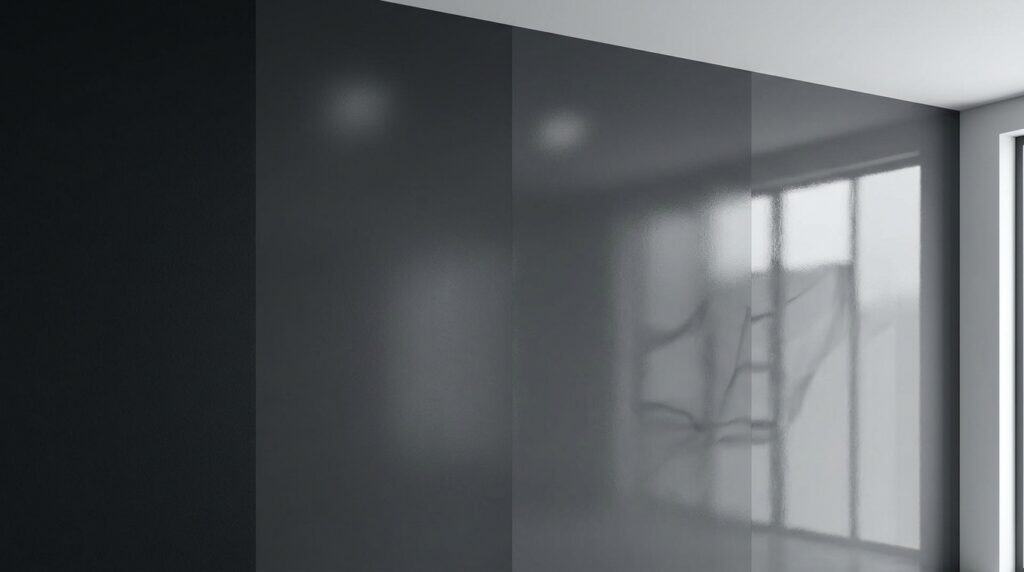
Paint finishes directly affect how light interacts within a living room, influencing both brightness and mood. A finish with higher sheen reflects more light, which can brighten a space and make it feel larger, while a flatter finish absorbs light, creating a softer, more intimate ambiance. Selecting the right finish depends on the room’s natural light, artificial lighting, and desired aesthetic.
Phoenix Finishing Touch Painting regularly advises homeowners on selecting paint finishes that complement their living room’s specific lighting conditions. We recommend considering both natural light sources and artificial fixtures to achieve the desired effect for the living room paint finishes. A strategic choice helps ensure the final look matches your vision.
- Evaluate natural light sources: Observe how much sunlight the room receives throughout the day and from which direction. South-facing rooms often benefit from light-absorbing matte finishes to prevent glare, while north-facing rooms may gain from light-reflecting satin or semi-gloss finishes.
- Assess artificial lighting: Consider the type and placement of lamps, overhead lights, and accent lighting. High-sheen finishes can create noticeable reflections and highlights under direct artificial light.
- Determine desired mood: Decide if you want a bright and energetic space or a cozy and subdued atmosphere. This choice guides whether to lean towards more reflective or more light-absorbing paint sheens.
- Test samples: Apply sample patches of different finishes on your walls and observe them at various times of day under both natural and artificial light. This step helps visualize the actual light reflection and mood created by each finish before committing to a choice.
- Consult a professional: For complex lighting situations or specific aesthetic goals, a painting professional can provide tailored advice on living room paint selection.
The interaction between paint sheens and light significantly impacts a room’s appearance, making careful consideration worthwhile. For example, a matte finish can diffuse light beautifully, minimizing imperfections and creating a serene backdrop for art or decor.
Select Best Finish for Living Room Walls
Choosing the correct paint finish for living room walls depends on several factors, including the wall’s condition, the room’s traffic level, and the desired visual effect. A paint finish can enhance or detract from your living room’s appearance, so selecting one that complements its function and style is important. Phoenix Finishing Touch Painting often recommends considering these practical aspects during initial consultations to ensure a lasting and appealing result.
Walls with minor imperfections benefit from lower sheen options, as these tend to hide flaws more effectively. For high-traffic areas, a more durable finish helps resist scuffs and marks, making cleaning easier. If you prioritize a luxurious, soft appearance, matte finishes work well, while a higher sheen adds vibrancy and light reflection. For guidance on different paint types, refer to our paint finish types guide.
Consider the following situations to match the ideal finish to your living room’s specific needs:
| Situation | Recommended Finish | Reasoning |
|---|---|---|
| Walls have minor imperfections | Matte or Flat | Low reflectivity helps to conceal surface irregularities. |
| High-traffic living room | Satin or Semi-Gloss | These finishes offer greater durability and are easier to clean, resisting scuffs and stains. |
| Desire a soft, elegant look | Matte or Eggshell | Provides a rich, non-reflective surface that absorbs light. |
| Want added light reflection | Satin or Semi-Gloss | The increased sheen bounces light around the room, making it feel brighter. |
| Children or pets present | Satin or Eggshell | More washable and resistant to wear compared to flat finishes. For a full range of options, see our interior gallery. |
Phoenix Finishing Touch Painting Living Rooms
Choosing the correct paint finish contributes significantly to a living room’s overall feel and durability. Phoenix Finishing Touch Painting specializes in applying a variety of finishes, ensuring each project aligns with both visual preferences and practical considerations for homeowners. Our experience painting homes in the Edmonton area allows us to recommend solutions that perform well.
We work with clients to assess their specific living room needs, from high-traffic areas requiring a more scrubbable finish to spaces where a soft, non-reflective appearance is desired. This collaborative approach helps select the most suitable living room paint finishes for long-lasting appeal and easy maintenance. You can review our past projects in our Interior Gallery.
| Finish Recommendation | Best For | Considerations |
|---|---|---|
| Matte/Flat | Concealing imperfections, formal living rooms | Low durability, harder to clean, ideal for walls without frequent contact |
| Eggshell/Satin | Moderate traffic areas, subtle sheen, easy to clean | Good balance of durability and appearance, common for living rooms |
| Semi-Gloss | Trim, doors, and high-contact surfaces | High durability, reflective sheen, typically not for main walls |
FAQ
Still have questions about selecting the perfect living room paint finishes? This section addresses common queries to help you make an informed decision for your space.
| Question | Answer |
|---|---|
| How do I choose a paint finish for a living room with minor wall imperfections? | For walls that have minor imperfections, a matte or flat paint finish is recommended. These finishes have low reflectivity, which helps to conceal surface irregularities. This makes them ideal for walls that do not experience frequent contact or heavy wear. |
| Which paint finish is best for a high-traffic living room in Edmonton? | A satin or semi-gloss finish is best for a high-traffic living room. These finishes offer greater durability and are easier to clean, helping to resist scuffs and stains common in busy areas. Phoenix Finishing Touch Painting helps homeowners select finishes that balance longevity with appearance. |
| What paint finish should I select if I want a soft, elegant look in my living room? | If you desire a soft, elegant look, a matte or eggshell paint finish is suitable. These options provide a rich, non-reflective surface that absorbs light, creating a sophisticated atmosphere. They are a good choice for living rooms where a more subdued aesthetic is preferred. |
| How does paint finish affect light reflection in my living room? | Paint finishes directly influence how light interacts within your living room. Higher sheen finishes, like satin or semi-gloss, reflect more light, which can make a space feel brighter and larger. Conversely, flatter finishes, such as matte, absorb light, contributing to a softer, more intimate ambiance. |