
Answer
The total exterior paint cost for a home typically depends on factors like square footage, surface condition, and paint quality. For a standard 2,000 square foot home, homeowners might expect to pay between CAD $4,000 and CAD $8,000, though this can vary based on the specifics of the project. Phoenix Finishing Touch Painting offers detailed estimates to clarify these costs, ensuring transparency before any work begins.
Overview
This guide outlines the factors that influence what you might pay for an exterior painting project. It breaks down various elements that affect the final price, helping homeowners anticipate expenses more accurately. The article also includes a real-world hypothetical scenario featuring Liam, providing practical insights into project planning and budgeting.
- Cost Drivers: Discover the various elements that shape your exterior paint job cost.
- Paint Comparison: Review different paint types and their impact on durability and price.
- Real-World Example: See how labour costs factor into a typical project scenario.
- Surface Prep: Find out how surface preparation affects overall painting expenses.
- Detailed Quote: Learn how to get a detailed estimate for your home.
- Seasonal Trends: Explore seasonal pricing trends and how they might affect your project timeline and budget.
Factors Influencing Your Exterior Paint Job Cost
The square footage of a home is a primary driver for any exterior paint cost, but surface type and condition also contribute significantly. Larger homes naturally require more paint and labor, increasing overall project expenses. Phoenix Finishing Touch Painting considers various factors during the estimate process to provide an accurate quote for every home.
Project complexity also affects pricing; details like trim work, multiple colors, or accessibility challenges add to the time and resources needed. Material choices, including the quality and type of paint, further influence the final investment. Edmonton Exterior Painting involves specific considerations for durability and finish.
| Factor | Impact on Cost |
|---|---|
| House Size | Larger surface areas require more paint and longer labor hours. |
| Surface Material | Different materials, such as stucco or wood siding, require specific preparation and paint types. |
| Surface Condition | Extensive repairs, scraping, or cleaning increase preparation time and material use. Prep Walls for may be needed. |
| Paint Quality | Premium paints offer better durability and finish but come at a higher price point. |
| Number of Colors | Using multiple colors for trim and siding adds complexity and masking time. |
| Accessibility | Homes with multiple stories or difficult-to-reach areas may require specialized equipment like scaffolding. |
Comparing Paint Types for Durability and Price
Selecting the correct exterior paint is important for both appearance and how long the finish lasts. Different paint types offer varied levels of resistance to weather, fading, and cracking, directly impacting the longevity of your home’s protection. Paint choice significantly influences the overall exterior paint cost.
Acrylic latex paints are popular for their flexibility, resistance to blistering, and ease of cleanup, making them a common choice for many homes. Oil-based paints offer excellent adhesion and a harder finish, often preferred for trim or high-traffic areas where durability is paramount. We often recommend a paint type based on the existing surface and its condition, as proper adherence is key for a lasting finish.
The chosen finish also plays a role in how long the paint lasts and its appearance. For instance, matte finishes hide imperfections well but may be less scrubbable than glossier options. Consider paint finishes matte to achieve the desired look and protection for your home. Your decision should balance desired aesthetics with the practical needs of your home’s exterior.
| Paint Type | Key Benefits | Typical Price Range (per gallon CAD) |
|---|---|---|
| Acrylic Latex | Flexible, resists cracking, easy cleanup, good color retention. | $40 – $80 |
| Oil-Based | Hard, durable finish, excellent adhesion, good for challenging surfaces. | $50 – $90 |
| Elastomeric | Highly flexible, bridges hairline cracks, waterproof, ideal for stucco. | $70 – $120 |
Estimating Labour Costs for Exterior Painting
Understanding the full cost of exterior painting is crucial for homeowners planning a renovation. Factors such as the size of the property, the condition of the existing surfaces, and the quality of the chosen paint all play a significant role in the final price.
Liam is planning to repaint his 2,000 square foot home in Edmonton and is trying to get a clear picture of the potential expenses. He’s heard that costs can range from CAD $4,000 to CAD $8,000 and wants to know how to best budget for this significant home improvement project. Given the range of exterior paint costs, how can homeowners in Edmonton, Alberta best budget for this significant home improvement project?
Recommendation: Detailed Project Estimate
Phoenix Finishing Touch Painting recommends obtaining a detailed project estimate to clarify exterior paint costs. This ensures transparency and helps homeowners in this area understand the specific factors influencing their individual project’s price. When planning your project, consider reviewing a full exterior painting Edmonton guide for more insight.
How Surface Preparation Impacts Total Painting Expenses
The condition of exterior surfaces directly influences painting costs and the final outcome. Proper surface preparation often takes a significant portion of the project timeline and budget, but it prevents early paint failure. Neglecting this stage can lead to premature peeling or blistering, requiring costly repaints sooner than expected.
Phoenix Finishing Touch Painting observes that homes with extensive previous paint failures or significant wear need more intensive prep work. This additional effort impacts the overall exterior paint cost. We recommend a thorough assessment of surface needs during the initial quote to avoid unexpected additions later.
Several key steps make up the surface preparation process. Each step addresses specific issues to create a clean, smooth, and adhesive-friendly base for new paint. Investing in these steps extends the life and appearance of the new coating.
- Cleaning and Washing: Removing dirt, grime, mildew, and loose paint with pressure washing or manual scrubbing is the first step. This ensures the new paint adheres properly, preventing flaking.
- Scraping and Sanding: Old, peeling, or cracked paint must be scraped away, followed by sanding to smooth rough edges. This creates an even surface for the new coat and improves paint longevity.
- Repairing Damage: Filling holes, cracks, and gaps in siding, trim, or stucco with appropriate patching compounds is essential. This step prevents moisture intrusion and provides a uniform surface for painting. For more details on this process, see painting prep steps.
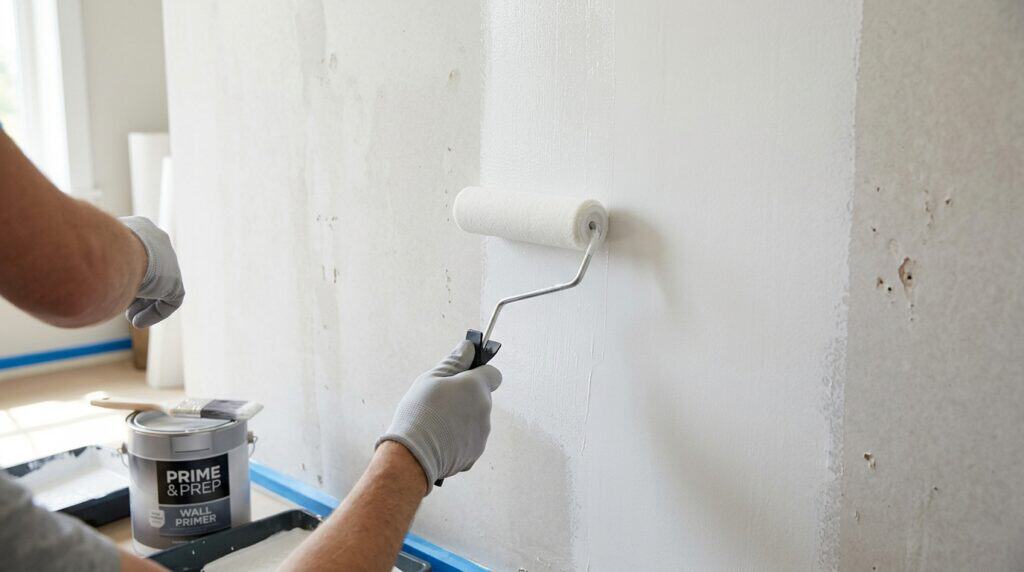
- Priming: Applying primer creates a bond between the surface and the finish coat, especially on bare wood, metal, or stained areas. Primer improves paint adhesion, durability, and provides a uniform color base. If you need assistance, prep walls for painting can ensure better results.
- Masking and Taping: Protecting windows, doors, light fixtures, and other areas not meant to be painted with tape and drop cloths saves time on cleanup. This step ensures clean lines and prevents paint from getting on unintended surfaces. To ensure your home is ready, prepare your home before painting begins.
Get a Detailed Exterior Paint Quote
To receive an accurate estimate for exterior painting, contractors assess several key elements of your property. These details help determine the overall scope of work and the materials needed for a lasting finish. Phoenix Finishing Touch Painting focuses on transparency, ensuring you understand each component of your estimate.
We provide a clear breakdown of costs, accounting for factors such as the home’s size, current condition of the surfaces, and the type of paint requested. A thorough evaluation allows us to deliver a precise exterior paint cost, avoiding unexpected charges. This also includes any necessary painting prep steps before application.
When preparing your Edmonton exterior paint quote, we consider access challenges and specific architectural details that may require more time or specialized equipment. This ensures the estimate reflects the true effort and resources for a high-quality job.
| Factor for Quote | Impact on Price |
|---|---|
| Home Size and Storeys | Larger homes or those with multiple levels typically require more paint and labour time, increasing costs. |
| Surface Condition | Extensive repairs, scraping, or sanding due to peeling paint or damaged surfaces add to preparation time and expense. |
| Paint Quality and Type | Premium paints or specialized coatings offer better durability but come at a higher material cost. |
| Architectural Details | Intricate trim, multiple windows, or unique siding patterns demand more precise work and can extend project duration. |
| Accessibility | Difficult-to-reach areas requiring ladders, scaffolding, or specialized equipment may increase labour costs. |
Seasonal Pricing Trends for Exterior Painting
Exterior painting costs can fluctuate based on the time of year, with demand often influencing pricing. Warmer months typically see higher demand for painting services, which can lead to slightly increased prices due to busier schedules for contractors. Conversely, off-peak seasons might offer more competitive rates as painters seek to maintain consistent work.
Weather conditions significantly impact when exterior painting can occur, especially in regions with distinct seasons. Optimal conditions, such as dry weather and moderate temperatures, are essential for proper paint application and curing. Phoenix Finishing Touch Painting observes that late spring and early autumn often provide the best balance of favorable weather and potentially more flexible scheduling for homeowners considering their exterior paint cost.
To help manage project expenses and ensure the best results, consider timing your exterior painting project strategically. Selecting the best time to paint can align with both weather advantages and contractor availability. Discussing your project timeline with local painting professionals can also reveal potential savings during less busy periods.
| Season | Typical Pricing Trend | Considerations for Homeowners |
|---|---|---|
| Spring | Moderate to high demand | Good weather for painting, schedule early for availability. |
| Summer | Highest demand, potentially higher rates | Longest daylight hours, but also busiest for painters. Exterior painting Edmonton can benefit from stable weather. |
| Fall | Moderate demand, rates may stabilize | Ideal temperatures, less competition for scheduling. |
| Winter | Lowest demand, potentially lower rates | Weather constraints limit exterior work; suitable for indoor projects. Best time to paint house often excludes winter due to temperature. |
FAQ
Understanding the various factors that influence your exterior paint cost is crucial for budgeting and planning, and this section addresses common inquiries to help you navigate the process.
| Question | Answer |
|---|---|
| How does the size of my Edmonton home affect exterior paint cost? | Larger homes require more paint and longer labor hours, directly increasing the overall project expense. Phoenix Finishing Touch Painting considers your home’s square footage when calculating a precise estimate. This factor is a primary driver for the total cost of any exterior paint job. |
| What impact does the condition of my home’s surfaces have on painting expenses? | The condition of your home’s exterior surfaces significantly influences painting costs. Surfaces needing extensive repairs, scraping, or cleaning require more preparation time and materials. Neglecting this stage can lead to premature paint failure and the need for costly repaints sooner. |
| How do different paint types affect the final exterior paint cost in Edmonton? | The type of paint selected directly influences the overall exterior paint cost. Premium paints offer better durability and finish but come at a higher price point per gallon. For example, elastomeric paints, ideal for bridging hairline cracks, are more expensive than standard acrylic latex paints. |
| When is the best time of year to get exterior painting done in Alberta to manage costs? | Exterior painting costs can fluctuate seasonally. While summer sees high demand and potentially higher rates, late spring and early autumn often offer a good balance of favorable weather and potentially more flexible scheduling. Discussing your project timeline with local professionals can reveal savings during less busy periods. |