
Answer
Achieving a smooth, lasting paint finish requires careful surface preparation, which involves cleaning, patching, sanding, and priming. Proper Prep Walls Painting extends the life of the new coat and prevents common issues like peeling or uneven color. Phoenix Finishing Touch Painting focuses on these foundational steps to deliver a superior final appearance for every project.
Overview
Proper preparation for painting sets the foundation for a durable and attractive finish. This process prevents common issues like blistering, peeling, or uneven paint application. We also cover a labeled real-world hypothetical featuring Brenda, which illustrates how proper steps lead to successful results.
- Prep Steps: Learn the essential wall prep steps for a long-lasting paint job.
- Surface Problems: Identify common painting surface problems and their effective fixes.
- Primer Choices: Discover tips for selecting the right primer for different surfaces.
- Imperfection Repair: Find out how to repair wall imperfections for a smooth surface.
- Real-World Example: See how achieving a flawless paint job depends on careful prep.
- Painting Services: Explore how Phoenix Finishing Touch Painting prep services can help.
Essential Wall Prep Steps Before Painting
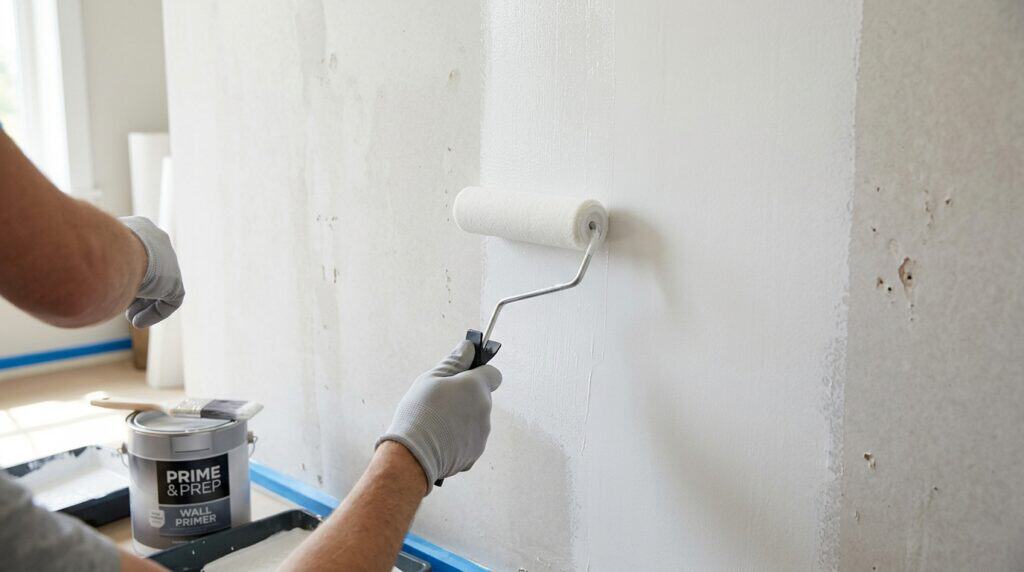
Achieving a smooth, lasting paint finish relies on careful wall preparation. We observe that proper wall prep is the foundation for a lasting paint finish, preventing common issues like peeling or uneven color over time. Taking the time to properly clean, repair, and prime surfaces directly impacts the final look and durability of any paint job.
Skipping even one step can compromise the adhesion and appearance of new paint. For example, if you paint over dirt or grease, the paint may not stick properly, leading to flaking. Similarly, painting over imperfections makes them more noticeable, undermining the aesthetic of the fresh coat. Painting Prep Steps are essential for a professional outcome.
| Prep Step | Why It Matters |
|---|---|
| Clean Walls | Removes dirt, grease, and grime that prevent paint adhesion. Use a mild detergent and water, then rinse thoroughly. |
| Repair Holes and Cracks | Fills imperfections for a smooth, even surface. Use spackle or joint compound, allowing ample drying time. Repair Wall Imperfections before priming. |
| Sand Surfaces | Smooths patched areas and creates a better profile for paint to stick. Light sanding across the entire wall can improve paint grip. |
| Apply Primer | Seals porous surfaces, blocks stains, and ensures consistent paint color. It also helps with better adhesion of the topcoat. Paint Primer Use guides this choice. |
Common Painting Surface Problems and Solutions
Before any paint can be applied, addressing surface imperfections ensures a smooth, lasting finish. Common issues like cracks, holes, and peeling paint directly impact the final appearance and durability of the coating. Neglecting these problems can lead to poor paint adhesion and an uneven texture that shows through new layers.
We find that many homeowners overlook minor wall damage, only to see it become magnified once fresh paint is applied. Proper identification and repair of these issues are essential for achieving professional-grade results. This attention to detail helps prevent common painting mistakes that can compromise the paint job’s lifespan.
| Surface Problem | Solution |
|---|---|
| Cracks and Small Holes | Fill with spackle or joint compound, then sand smooth. For deeper damage, use patching plaster. |
| Peeling or Flaking Paint | Scrape away loose paint with a putty knife, feather the edges with sandpaper, and clean the area. |
| Grease and Grime | Wash with a degreasing cleaner or TSP (trisodium phosphate) solution, then rinse thoroughly and allow to dry. |
| Mildew or Mold | Clean with a bleach-and-water solution (1 part bleach to 3 parts water), scrub, and rinse. Ensure the wall dries completely to prevent recurrence. |
| Glossy Surfaces | Dull the surface with light sanding or a liquid deglosser to improve paint adhesion. Proper prep walls painting makes a difference. |
Choosing the Right Primer for Your Walls
Selecting the correct primer ensures paint adhesion, even color, and durability. Different wall materials and conditions require specific primer types for the best finish. Phoenix Finishing Touch Painting recommends matching the primer to the surface and topcoat for lasting results.
For walls with existing stains, a stain-blocking primer provides a barrier that prevents bleed-through, ensuring a uniform color. New drywall or porous surfaces benefit from a PVA (polyvinyl acetate) primer, which seals the surface and improves paint coverage. This step is essential before any prep walls painting project.
| Primer Type | Best For | Considerations |
|---|---|---|
| PVA Primer | New drywall, porous surfaces | Seals bare surfaces, promotes adhesion |
| Stain-Blocking Primer | Water stains, smoke damage, odors | Odor-sealing properties, hides discoloration |
| Oil-Based Primer | Previously painted oil-based surfaces, severe stains | Strong adhesion, long drying time, high VOCs |
| Acrylic Latex Primer | General purpose, previously painted walls | Fast-drying, low VOCs, easy cleanup |
| Shellac-Based Primer | Knots in wood, extreme stains, smoke damage | Fastest drying, blocks odors effectively |
When dealing with surfaces that have significant imperfections, a high-build primer can help smooth out minor textures or patched areas. Phoenix Finishing Touch Painting often uses specialized primers here to ensure a perfectly smooth base before applying the final coats. For surfaces that may require extra adhesion, such as glossy paint or ceramic tile, a bonding primer creates the necessary grip for new paint layers to adhere. Paint Primer Use can greatly influence the final look.
How to Repair Wall Imperfections for a Smooth Finish
Achieving a truly smooth paint finish requires addressing any blemishes on the wall surface. Even small dents, nail holes, or hairline cracks can become noticeable once new paint is applied. We often find that minor repairs make a significant difference in the final look of a room here.
Careful patching and sanding create an even base, allowing paint to adhere uniformly and produce a professional appearance. For homeowners looking to revitalize their spaces, proper wall repair sets the foundation for a durable and attractive result. Consider these steps to prepare your surfaces.
- Clean the Area: Wipe down the imperfection and surrounding wall with a damp cloth to remove dust or grime. This ensures fillers and patches adhere correctly.
- Apply Spackle or Joint Compound: For small nail holes or minor dents, use spackle. For larger holes or cracks, joint compound works better. Apply a thin layer with a putty knife, ensuring it slightly overfills the imperfection.
- Let it Dry Completely: Drying times vary based on product thickness and humidity. Always follow manufacturer instructions; rushing this step can lead to cracks or shrinkage.
- Sand Smooth: Once dry, gently sand the patched area with fine-grit sandpaper (180-220 grit) until it is flush with the surrounding wall. Feather the edges to avoid creating depressions.
- Clean Dust Again: Remove sanding dust with a dry cloth or tack cloth. Any remaining dust can interfere with paint adhesion.
- Prime Repaired Spots: Apply a spot primer to the repaired areas. This step creates a uniform surface for the new paint, preventing flashing or uneven sheen. See our guide on paint primer use for more details.
Ignoring even minor imperfections can detract from the overall quality of your painting project. Taking the time to properly prep walls painting ensures that your efforts result in a flawless and long-lasting finish. If you encounter extensive damage, consulting with a professional for prep services can save time and achieve better results.
| Imperfection Type | Repair Method |
|---|---|
| Small Nail Holes | Fill with spackle, sand smooth with 220-grit paper, then prime. |
| Hairline Cracks | Widen slightly with a utility knife, fill with lightweight joint compound, sand smooth, and prime. |
| Dents or Gouges | Clean the area, apply spackle or joint compound in thin layers, sand once dry, and prime. |
| Peeling Paint | Scrape away loose paint, sand edges feather-smooth, clean, and then prime. Avoid painting mistakes by fully removing old paint. |
Achieving a Flawless Paint Job with Proper Prep
Achieving a durable and visually appealing paint finish hinges on meticulous surface preparation. Skipping these crucial steps can lead to premature wear and an uneven appearance, compromising the overall aesthetic of a space.
Brenda is looking forward to a fresh look for her living room but feels overwhelmed by the prospect of thoroughly prepping the walls. She wonders if she can achieve the necessary smoothness and durability on her own, or if hiring professionals for the prep walls painting would be a better use of her time and resources in Edmonton, Alberta. Should Brenda tackle wall prep herself or hire a professional painting service?
Recommendation: Professional Wall Preparation Services
Phoenix Finishing Touch Painting recommends utilizing professional wall preparation services when a high-quality, long-lasting finish is the priority. Their expertise ensures proper cleaning, patching, sanding, and priming, which are foundational to a superior final paint job. We find this approach consistently delivers smoother surfaces and better adhesion for clients here, preventing common painting mistakes.
Phoenix Finishing Touch Painting Prep Services
Professional wall preparation is a foundational step for any painting project to achieve a lasting, smooth finish. Phoenix Finishing Touch Painting offers dedicated services to handle all aspects of surface readiness, ensuring superior results that homeowners appreciate. This process includes thorough cleaning, repairing imperfections, and proper priming before paint application.
We often address various conditions, from minor scuffs to significant drywall damage, which homeowners may encounter. Our approach to prep walls painting focuses on meticulous detail, minimizing common issues like paint peeling or uneven textures that can arise from inadequate preparation. We also ensure that each surface is perfectly primed for the specific type of paint chosen, creating an ideal adhesion layer.
When considering professional assistance, various service levels can match different project needs. Phoenix Finishing Touch Painting provides comprehensive options designed to deliver exceptional outcomes for every home. home
| Service Option | Best For | Benefits |
|---|---|---|
| Basic Surface Cleaning | Lightly soiled walls or routine touch-ups | Removes dust, grime, and cobwebs; improves paint adhesion for a cleaner look. |
| Minor Patch & Sand | Small holes, cracks, or surface blemishes | Smooths out minor damage; creates an even canvas for new paint without noticeable imperfections. |
| Full Surface Repair & Prime | Walls with extensive damage, stains, or texture changes | Addresses larger holes, deep cracks, and severe stains; provides optimal adhesion and color consistency. paint primer use |
| Comprehensive Wall Prep | Complete home renovations or major paint transformations | Includes all steps from cleaning to repairs and priming, ensuring a flawless and long-lasting finish. |
FAQ
To help you achieve a flawless finish, we’ve compiled answers to common questions about how to prep walls painting.
| Question | Answer |
|---|---|
| What is the difference between spackle and joint compound for wall repairs? | Spackle is best suited for small nail holes and minor dents. Joint compound is a better choice for larger holes or cracks, providing a more durable fill. Both require drying time before sanding and priming. |
| How does cleaning walls before painting affect the final finish? | Cleaning removes dirt, grease, and grime that can prevent paint from adhering properly. Without proper cleaning, paint may not stick well, leading to flaking or an uneven texture. Rinsing after cleaning is essential. |
| When should I consider using a stain-blocking primer? | Use a stain-blocking primer when your walls have existing water stains, smoke damage, or strong odors. This type of primer creates a barrier to hide discoloration and prevent it from showing through the new paint layers. |
| Why is sanding patched areas important before priming? | Sanding patched areas with fine-grit sandpaper makes them flush with the surrounding wall. This creates a smooth, even surface for the primer and topcoat, preventing noticeable bumps or depressions that detract from the final paint job. |