
Home Paint Job: Your Edmonton Guide

Searching for a quality home paint job? Get expert advice for your next interior or exterior project. Find out more!

High-quality exterior and interior painting services in Phoenix, AZ with expert craftsmanship.

Phoenix Painting Team

Your Essential Home Paint Job Guide

A home paint job is a significant investment that enhances both the aesthetic appeal and structural integrity of your property. It involves carefully preparing surfaces, selecting the right materials, and applying fresh coats of paint to walls, trim, and ceilings, whether inside or outside your residence. A well-executed paint job can instantly refresh your living spaces and protect them from wear and tear.

The importance of a professional approach cannot be overstated, especially when considering the nuances of different paint types and application techniques. Our team understands the local climate and architectural styles, ensuring that your paint job withstands environmental challenges while complementing your home’s design. This expertise guarantees a durable and visually appealing finish.

Engaging professionals for your home paint job provides numerous benefits, from expert color consultation to meticulous preparation and cleanup. This comprehensive guide will walk you through the various aspects of painting your home, helping you make informed decisions for a successful project that adds lasting value and beauty to your property. For those specifically looking to enhance their home’s curb appeal, exploring our exterior painting services is a great starting point.

What is a Home Paint Job?

A home paint job is the process of applying paint to the interior or exterior surfaces of a residential property. This can include walls, ceilings, trim, doors, and even the exterior siding and architectural details. The primary goals of a paint job are to enhance aesthetics, protect surfaces from damage, and increase the overall value of the home. For those considering exterior work, understanding the best time to paint your house is crucial for durability and finish quality.

A home paint job involves applying new coats of paint to the interior or exterior surfaces of a residential property. This process goes beyond simply changing a color; it encompasses meticulous preparation, expert application, and thorough finishing to achieve a durable and aesthetically pleasing result. The ultimate goal is to enhance the home’s appearance, protect its surfaces, and potentially increase its market value.

The scope of a professional home paint job can vary significantly based on the client’s needs and the condition of the property. Whether it’s a single room refresh or a complete overhaul of the entire house, a skilled painting team can manage projects of all sizes. Choosing the right paint is also important; a paint types comparison can help you decide between latex and oil-based options.

Interior Painting

Interior painting focuses on transforming the atmosphere within your living spaces. This type of home paint job can involve walls, ceilings, trim, doors, and even built-in furniture. The choice of colors, finishes, and paint types plays a crucial role in defining the mood and style of each room. For a detailed comparison of different paint bases, explore our latex vs. oil paint guide for more.

  • Walls: The most common area for painting, walls set the primary tone for a room.
  • Ceilings: Often overlooked, a fresh ceiling can brighten a room and make it feel more spacious.
  • Trim and Doors: Crisp trim and well-painted doors add definition and a polished finish.
  • Cabinets and Built-ins: Painting these elements can update a kitchen or living area without the need for full replacement.

Exterior Painting

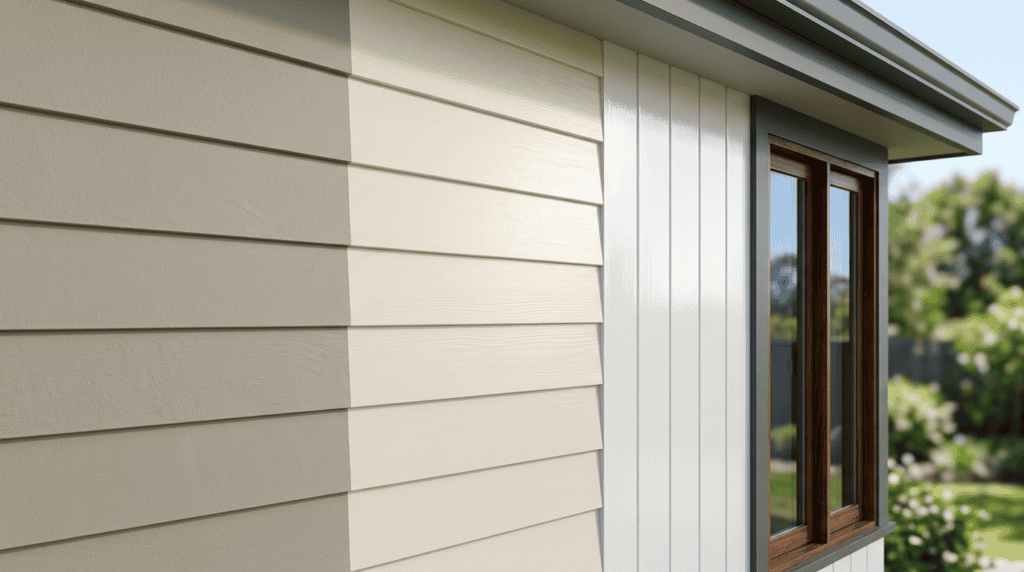
Exterior painting is vital for protecting your home from the elements and boosting its curb appeal. This type of home paint job typically includes siding, trim, doors, window frames, and sometimes decks or fences. High-quality exterior paint acts as a barrier against moisture, UV rays, and temperature fluctuations, preventing damage and prolonging the life of your home’s surfaces. For a comprehensive overview of what’s involved, consult our guide to exterior painting services for more.

  • Siding: Whether it’s wood, stucco, or vinyl, proper preparation and painting protect and beautify the home’s primary exterior.
  • Trim and Fascia: These elements require careful attention for both aesthetic appeal and protection against weather.
  • Doors and Shutters: Painting these features can add accent colors and enhance the home’s entrance.
  • Decks and Fences: Staining or painting these structures not only improves their look but also shields them from rot and wear.

A home paint job significantly impacts a property’s aesthetic appeal and structural integrity, covering both interior refreshes and exterior protection.

Key Considerations for Your Home Paint Job

Before beginning a home paint job, careful planning is essential for a successful outcome. Several crucial factors need attention, including the condition of surfaces, selecting the right color palette, and allocating a realistic budget. Understanding the differences between painting vs wallpaper can also help you make the best choice for your home’s aesthetic and durability.

Assessing Surface Condition

The existing condition of your home’s surfaces significantly impacts the preparation and application process for a home paint job. Thorough inspection is key to identifying any issues that need addressing before painting begins. For instance, understanding how to prep walls for painting is crucial for a durable finish.

  • Cracks and Holes: Walls and ceilings may have minor imperfections that require filling and sanding for a smooth base.
  • Peeling Paint: Older paint layers might be peeling or flaking, necessitating scraping and sanding to ensure proper adhesion of new paint.
  • Dirt and Grime: Surfaces must be clean and free of dust, grease, and mildew. Cleaning might involve washing with appropriate solutions, especially for exterior areas.
  • Moisture Issues: Any signs of moisture damage, such as water stains or mold, should be investigated and resolved to prevent future paint failures.

Selecting the Ideal Color Palette

Choosing the right colors is a pivotal decision for any home paint job, influencing the mood and aesthetic of your living spaces. Consider how colors interact with natural light, existing furnishings, and the overall architectural style of your home. Understanding the psychology behind exterior paint colors can also help guide your selection.

  • Interior Colors: Lighter shades can make rooms feel more spacious and brighter, while darker hues can add depth and coziness. Think about the function of each room and the atmosphere you wish to create.
  • Exterior Colors: The exterior color palette should complement your home’s architecture and blend harmoniously with its surroundings. Consider the fixed elements like roofing and landscaping.
  • Test Swatches: Always apply sample swatches to walls or exterior sections and observe them at different times of day to see how light affects the color perception.
  • Professional Advice: If unsure, a color consultant or painting professional can offer valuable guidance based on current trends and timeless design principles.

Budgeting for Your Home Paint Job

Understanding the financial aspects of a home paint job is vital for effective planning. Costs can vary widely depending on several factors, including the scope of work, materials chosen, and labor involved. For example, understanding the difference between latex and oil-based paints can impact both cost and application. When hiring professionals, it’s essential to know how to choose house painters wisely.

  • Material Costs: This includes paint, primer, tape, drop cloths, brushes, rollers, and other supplies. Higher-quality paints often cost more but can offer better durability and coverage.
  • Labor Costs: Professional painters factor in the time and skill required for preparation, painting, and cleanup. Complex jobs, such as those with intricate trim or high ceilings, typically incur higher labor expenses.
  • Repair and Preparation: Extensive surface repairs, such as patching large holes or significant scraping, will add to the overall cost.
  • Additional Services: Consider if you need services like color consultation, pressure washing for exteriors, or removal of old wallpaper.

Scheduling and Timing Considerations

The timing of your home paint job can impact its quality and efficiency, especially for exterior projects. Environmental factors like temperature and humidity play a crucial role in paint adhesion and drying. For example, understanding the best time to paint your house in Edmonton can significantly affect the longevity of the finish, and knowing about different paint finishes can help you choose the right product.

  • Exterior Painting: Mild, dry weather with moderate temperatures is generally ideal. Avoiding extreme heat, cold, or high humidity ensures proper curing and longevity of the paint.
  • Interior Painting: While less dependent on weather, good ventilation is important for interior painting. Consider scheduling during times when you can easily open windows without discomfort.
  • Peak Seasons: Professional painters may have busier schedules during certain times of the year, so booking in advance is advisable to secure your preferred dates.
  • Disruption to Routine: Plan the paint job during a period that minimizes disruption to your daily life, especially for interior work.

Choosing the Right Paint Type

The type of paint you select is crucial for the durability, appearance, and ease of maintenance of your home paint job. Different paints are formulated for specific applications and environments. For a detailed comparison of common paint bases, explore our latex vs. oil paint guide for more.

  • Interior Paints: Options include flat, eggshell, satin, semi-gloss, and high-gloss finishes, each offering varying levels of sheen and durability. Consider washable finishes for high-traffic areas.
  • Exterior Paints: These are designed to withstand weather elements, offering protection against UV rays, moisture, and temperature fluctuations. Common types include acrylic latex and oil-based paints.
  • Primers: Using the correct primer is essential for proper adhesion, especially when changing colors drastically, painting over stained surfaces, or working with new drywall.
  • Specialty Paints: For specific needs, consider paints with mildew resistance, low VOC (Volatile Organic Compounds) for better indoor air quality, or textured finishes.

Careful consideration of surface conditions, color choices, budgeting, and timing is paramount for a successful home paint job that enhances your property’s value and aesthetic appeal.

The Process of a Professional Home Paint Job

Undertaking a home paint job requires a systematic approach to ensure a high-quality, lasting finish. Professional painters follow a structured process that guarantees efficiency and thoroughness, from the initial assessment to the final touches. This detailed methodology distinguishes expert services and ensures client satisfaction.

Each step is crucial, contributing to the overall success and durability of the paint application. Here’s an outline of the typical stages involved in a professional home paint job, including essential steps like how to prep walls for painting.

  1. Initial Consultation and Estimate: The process begins with a detailed discussion to understand your vision, preferences, and the specific needs of your home. During this stage, professionals assess the scope of the home paint job, evaluate surface conditions, and discuss color options. A comprehensive estimate is then provided, outlining costs, timelines, and materials.

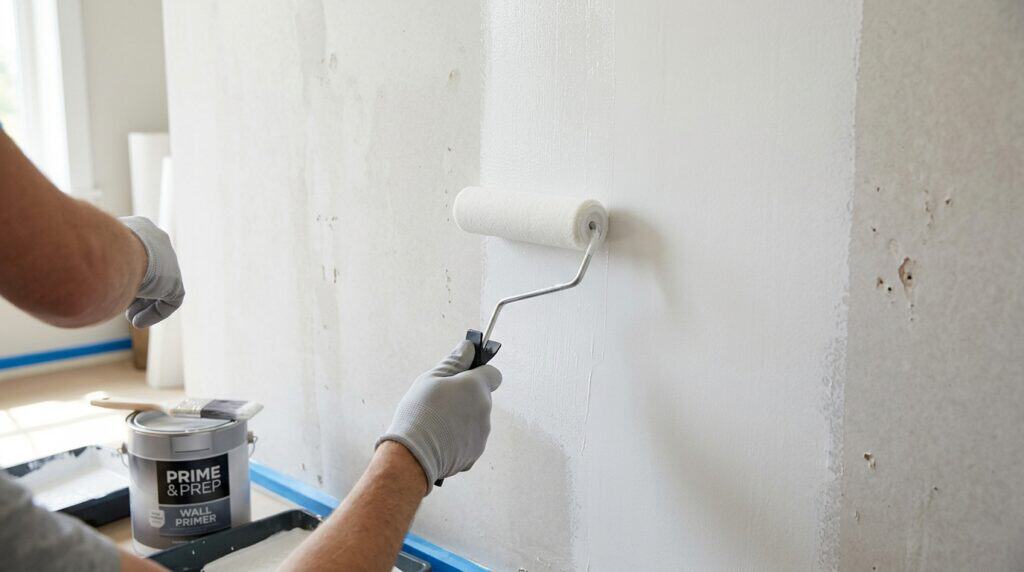
  2. Thorough Preparation: Preparation is perhaps the most critical phase, as it dictates the quality and longevity of the paint finish. This includes cleaning surfaces, patching holes and cracks, sanding rough areas, and applying primer where necessary. Protecting furniture, flooring, and non-painted surfaces with drop cloths and tape is also meticulously carried out. Learn more about how to prep walls for painting to ensure a flawless finish.

  3. Painting Application: Once the surfaces are fully prepared, the painting begins. Professionals use high-quality paints and appropriate techniques, whether it’s brushing, rolling, or spraying, to achieve an even and smooth application. Multiple coats are applied as needed to ensure vibrant color and optimal coverage for your home paint job.

  4. Inspection and Touch-Ups: After the paint has dried, a thorough inspection is conducted by the painting team. They check for any imperfections, uneven spots, or areas that require additional attention. Necessary touch-ups are performed to ensure every detail meets professional standards.

  5. Final Cleanup: The final step involves a complete cleanup of the work area. This includes removing all painting materials, drop cloths, and tape, ensuring your home is left tidy and ready for you to enjoy your newly painted spaces. A final walkthrough with the client confirms satisfaction with the completed home paint job.

A professional home paint job involves careful planning, meticulous execution, and a commitment to quality, resulting in a beautiful and durable transformation for your residence. For exterior wood surfaces, consider professional deck and fence staining services for added protection and aesthetic appeal.

Benefits of a Professional Home Paint Job

Investing in a professional home paint job offers numerous advantages beyond just aesthetics. A high-quality application protects your property and significantly enhances its appeal, making it a wise decision for any homeowner. Our team consistently delivers a superior finish for every home paint job.

The expertise of professional painters ensures meticulous preparation, proper paint application, and a flawless result that DIY efforts often cannot match. This level of quality contributes to the longevity and overall value of your residence. For insights into making the right choice, consult our guide to choosing house painters for more.

  • Enhanced Curb Appeal. A fresh, professionally applied coat of paint instantly boosts your home’s exterior appearance, making it stand out in the neighborhood. This initial impression is crucial for both personal enjoyment and potential resale.
  • Increased Property Value. A well-maintained and freshly painted home often commands a higher market price. Potential buyers are drawn to properties that appear move-in ready and cared for, making a home paint job a valuable investment.
  • Protection from Elements. Quality paint acts as a protective barrier against harsh weather conditions, preventing moisture intrusion, wood rot, and deterioration of exterior surfaces. This prolongs the life of your home’s structural components.
  • Improved Indoor Air Quality. Modern paints with low VOC (Volatile Organic Compound) formulas can contribute to better indoor air quality, reducing the presence of harmful chemicals. Professionals can advise on and apply these healthier options.
  • Early Detection of Issues. During the preparation phase of a home paint job, professional painters often identify underlying issues such as wood damage, mold, or structural flaws that might otherwise go unnoticed. Addressing these problems early can save significant repair costs down the line.

Our experience serving homeowners has shown that a high-quality home paint job significantly boosts homeowner satisfaction. It transforms living spaces and exterior facades, reflecting care and attention to detail. This results in a renewed sense of pride in one’s home and a tangible return on investment.

A professional home paint job offers significant benefits, from boosting curb appeal and property value to providing crucial protection against the elements and improving indoor air quality.

Choosing the Right Colors for Your Home Paint Job

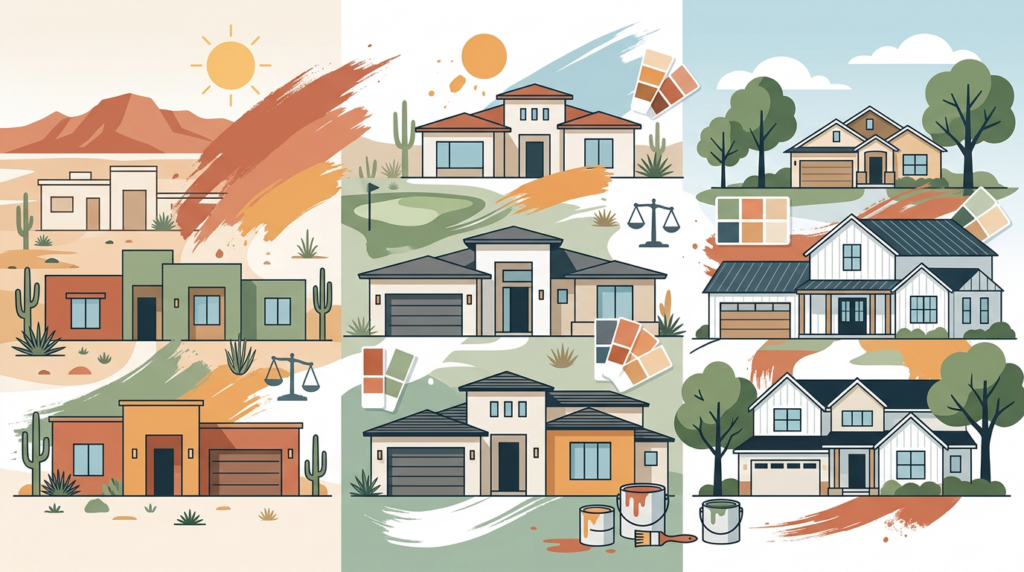
Selecting the perfect colors for your interior and exterior surfaces is a critical step for any home paint job. The right palette can significantly enhance your home’s aesthetic appeal, reflecting your personal style while complementing its architectural features and surrounding environment. Understanding the psychology behind exterior paint colors can help you make informed decisions. If you’re considering a DIY approach, it’s worth weighing the benefits of hiring local pros versus DIY: which house painting Edmonton wins?

Consider how different colors interact with natural and artificial light throughout the day. A shade that looks vibrant in a sample might appear muted in a dimly lit room, or overwhelming in a sun-drenched space. Always test paint samples directly on your walls or exterior before making a final decision.

Interior Color Selection Tips

For interior spaces, color choices play a major role in setting the mood and perceived size of a room. Lighter colors often make a room feel more spacious and open, while darker hues can create a cozy and intimate atmosphere. When planning your project, consider these tips for your Edmonton home painting services.

  • Consider Existing Decor: Ensure your chosen paint colors harmonize with your furniture, flooring, and existing artwork.
  • Understand Undertones: Every color has an undertone (warm, cool, or neutral) that can influence how it looks next to other elements in your home.
  • Flow Between Rooms: Think about how colors transition from one room to another, especially in open-concept layouts, to maintain a cohesive home paint job.

Exterior Color Selection Tips

The exterior of your home makes a first impression, and the color scheme should complement its architectural style and blend with the landscape. A thoughtful home paint job on the exterior can boost curb appeal and property value. For more on choosing the right exterior colors, explore our exterior paint color psychology guide, which also touches on how your environment matters.

  • Architectural Style: Traditional homes often suit classic, muted tones, while modern houses can pull off bolder or more minimalist palettes.
  • Neighborhood Aesthetics: While personal preference is key, consider how your home’s color fits within the general aesthetic of your neighborhood.
  • Fixed Elements: Take into account elements that won’t be painted, such as roofing, brickwork, or stone accents, and choose colors that complement them.

Thoughtful color selection is essential for a successful home paint job, impacting both the interior comfort and exterior appeal of your property.

Cost Factors of a Home Paint Job

Understanding the cost factors involved in a home paint job is essential for budgeting and planning. Several variables can significantly influence the final price, from the size of your property to the specific materials chosen for the project.

Transparency in pricing helps homeowners make informed decisions. When considering a professional service, a detailed estimate that breaks down these factors provides clarity and prevents unexpected expenses. For example, understanding the differences between paint types can impact both cost and durability, and even how the colors affect your home’s curb appeal, which you can explore further in our article on exterior paint color psychology.

FactorDescription
Square FootageThe total area to be painted is a primary driver of cost. Larger homes or rooms naturally require more paint and labor.
Paint QualityThe type and brand of paint selected have a substantial impact. Premium paints offer better durability, coverage, and finish, but come at a higher price point.
Complexity of the ProjectIntricate architectural details, high ceilings, multiple colors, or extensive trim work increase labor time and complexity, thus raising the overall cost of a home paint job.
Surface PreparationThe condition of the surfaces to be painted dictates the amount of preparation needed. This can include patching holes, sanding, cleaning, or priming, all of which add to the labor and material costs.
Labor vs. DIYHiring professional painters includes the cost of their expertise, tools, and efficiency. A do-it-yourself approach saves on labor but requires time, effort, and often the purchase or rental of equipment.

Each of these elements contributes to the overall investment required for a quality home paint job. Discussing these factors with your painting contractor ensures you receive an accurate and comprehensive quote tailored to your specific needs.

Preparing for Your Home Paint Job

Understanding how to prepare your walls for painting is crucial for a professional finish. For detailed guidance on this process, consult our quick guide to prep walls for a lasting finish.

Proper preparation is crucial for a successful and lasting home paint job. Taking the time to prepare surfaces and your home effectively can save time and prevent issues during the painting process. These essential steps ensure a smooth and efficient painting project, leading to a high-quality finish you’ll appreciate for years.

Clearing and Protecting Your Space

Before any paint can be applied, it’s vital to clear the area and protect your belongings. This step minimizes potential damage and makes the painting process more efficient. If you’re considering professional help, our guide to hiring house painters in Edmonton can offer valuable insights.

  • Remove all furniture from the room if possible. For larger items, move them to the center of the room and cover them with plastic sheeting or drop cloths.
  • Take down wall hangings, curtains, and switch plates. Label hardware or small items in bags to avoid misplacement.
  • Cover floors with drop cloths to protect against spills and splatters. Ensure they are secured to prevent slipping.

Cleaning and Surface Preparation

A clean, smooth surface is key for paint adhesion and a professional home paint job. Neglecting this step can lead to paint peeling or an uneven finish. For more details on preparing your walls, check out our quick guide to wall preparation, and learn more about selecting the right paint finish in our paint sheen guide for more.

  1. Wipe down walls and ceilings with a mild detergent solution to remove dust, dirt, and grease. Rinse thoroughly with clean water.
  2. Fill any small holes or cracks with spackle or joint compound. For larger imperfections, use appropriate patching materials.
  3. Sand patched areas smooth once dry. Lightly sand glossy surfaces to create a better profile for paint adhesion.
  4. Vacuum or wipe away all sanding dust before proceeding.

Masking and Taping

Precise masking and taping prevent paint from getting onto surfaces you don’t want painted, such as trim, windows, and hardware. For more detailed advice, review our home painting Edmonton guide for more.

  • Apply painter’s tape along the edges of trim, baseboards, doorframes, and window sills. Press firmly to ensure a tight seal.
  • Cover light fixtures, outlets, and any other elements that cannot be removed with tape and plastic sheeting.
  • Use masking paper or plastic film for larger areas like windows to protect them from overspray.

Priming the Walls

Priming is an often-overlooked but essential step, especially when changing colors dramatically or painting over stained surfaces. A good primer creates a uniform base for your home paint job. For more on preparing surfaces, see our quick guide to prepping walls. If you’re considering a large-scale project, you might also want to explore options for hiring commercial painters in Edmonton.

  • Apply a high-quality primer to all surfaces, particularly over patched areas, bare drywall, or if you are switching from a dark color to a lighter one.
  • Allow the primer to dry completely according to the manufacturer’s instructions. This usually takes a few hours.
  • Inspect the primed surface for any missed spots or remaining imperfections that might need a touch-up before the final coats of paint.

Organizing Your Tools and Materials

Having all your tools and materials ready and organized before you start painting will streamline the entire home paint job. This includes paint, brushes, rollers, trays, and safety gear. For more information on choosing the right paint, check out our Edmonton house painting checklist to ensure you have everything you need.

  • Ensure you have enough paint for the entire project, considering two coats for most applications.
  • Gather all necessary brushes, rollers, paint trays, and extension poles.
  • Prepare safety equipment such as gloves, eye protection, and ventilation fans.

Thorough preparation is the backbone of any successful home paint job, ensuring a flawless and enduring finish that enhances your living space.

Maintaining Your Home Paint Job

Once you’ve invested in a professional home paint job, proper maintenance is crucial to preserving its fresh appearance and extending its lifespan. Regular care helps protect your surfaces from wear and tear, ensuring your home continues to look its best for years.

Maintaining your home paint job involves simple yet effective practices that prevent premature fading, chipping, or staining. Adopting a proactive approach to care can save you time and money on future touch-ups or repainting projects, especially when considering the differences between latex vs oil-based paint options.

Cleaning Painted Surfaces

Keeping painted surfaces clean is one of the most effective ways to maintain a home paint job. Dust, dirt, and grime can accumulate over time, dulling the finish and potentially leading to more stubborn stains if left unaddressed. For best results, consider the appropriate paint sheen for different areas.

  • Interior Walls: For most interior walls, a soft cloth dampened with mild soap and water is sufficient. Gently wipe down surfaces, paying attention to high-traffic areas like hallways and around light switches. Avoid abrasive cleaners or scrubbing, which can damage the paint finish.
  • Exterior Surfaces: Exterior paint can face tougher elements. Use a soft brush or a low-pressure washer with a mild detergent solution to remove dirt, mildew, and environmental buildup. Always test your cleaning solution on an inconspicuous area first to ensure it doesn’t harm the paint.
  • Spot Cleaning: Address spills and marks promptly. For interior walls, a magic eraser or a damp cloth with a small amount of all-purpose cleaner can often remove scuffs without damaging the paint.

Addressing Minor Touch-Ups

Even with careful maintenance, minor imperfections can occur. Knowing how to perform small touch-ups can keep your home paint job looking pristine. For more information on different paint types and their properties, you can explore our living room paint finish guide for more.

  1. Keep Leftover Paint: Always save a small amount of the original paint used for your home paint job. Label it clearly with the room or area it was used for, along with the date and paint type. This makes matching colors much easier.
  2. Clean the Area: Before applying new paint, ensure the area to be touched up is clean and dry. Remove any loose paint flakes or debris.
  3. Apply with Care: Use a small artist’s brush or a foam roller, depending on the size of the area. Apply a thin, even coat of paint, blending it carefully with the surrounding surface. Feather the edges to avoid harsh lines.
  4. Allow to Dry: Let the touch-up paint dry completely. Depending on the paint type and humidity, this can take a few hours. Avoid touching the area until it is fully cured.

When to Schedule Your Next Home Paint Job

Determining the ideal time for a new home paint job involves considering several factors to ensure optimal results and longevity. Waiting for obvious signs of severe damage can lead to more extensive repairs down the line, so proactive scheduling is often beneficial. For instance, understanding the different types of paint available can help you make informed decisions about durability and maintenance, as explained in our paint types comparison. Avoiding common errors is also key; learn about top DIY painting mistakes in Calgary to ensure a professional finish.

Several indicators can help you decide when it’s time to refresh your home’s exterior or interior paint. Understanding these cues will help you plan your project effectively and protect your investment.

Signs Your Home Needs a Fresh Paint Job

Keep an eye out for these common indicators that your home is ready for a new paint application. Addressing these issues promptly can prevent further deterioration and maintain your property’s appearance. For example, peeling or bubbling paint is a clear sign that the surface is no longer protected and requires attention; learn more about exterior painting to ensure your home’s facade remains in top condition.

  • Fading or Chalking: Over time, exposure to sunlight and weather can cause paint to fade or develop a powdery residue, known as chalking. This not only detracts from your home’s aesthetic but also indicates the paint’s protective qualities are diminishing.
  • Cracking or Peeling: These are clear signs that the paint has lost its adhesion and is no longer providing adequate protection to the underlying surfaces. Cracks and peeling can allow moisture to penetrate, potentially leading to rot or mold.
  • Mold or Mildew Growth: While sometimes treatable, persistent mold or mildew on painted surfaces can suggest that the paint is no longer resistant to moisture or that environmental conditions are conducive to growth, warranting a fresh coat with appropriate primers.
  • Bubbling or Blistering: This often occurs when moisture gets trapped beneath the paint film, causing it to lift from the surface. Addressing the source of moisture before repainting is crucial to prevent recurrence.
  • Outdated Colors: Beyond structural concerns, an outdated color scheme might simply no longer suit your aesthetic preferences or the current trends, making a home paint job an excellent way to modernize your property.

Optimal Seasonal Conditions for Painting

Choosing the right time of year for exterior painting can significantly impact the longevity and appearance of your paint job. Understanding the ideal conditions will help ensure a smooth and effective application. For more insights into when to schedule your painting project, consider this guide to the best time to paint your house.

The success and durability of your home paint job are significantly influenced by environmental conditions during application. Ideal weather ensures proper paint curing and adhesion.

  • Temperature: Most paints perform best when applied in temperatures between 10°C and 29°C (50°F and 85°F). Extreme heat can cause paint to dry too quickly, leading to brush marks, while cold can prevent proper curing.
  • Humidity: Low to moderate humidity is preferable. High humidity can slow down drying times, increase the risk of drips, and impact the paint’s ability to adhere properly to surfaces.
  • Precipitation: Dry conditions are essential for both interior and exterior painting. Rain can wash away freshly applied paint, and high moisture in the air can lead to imperfections.
  • Wind: While a light breeze can aid in drying, strong winds can blow dust and debris onto wet paint, as well as accelerate drying too much, which can cause uneven finishes.

Conclusion: Elevate Your Home with a Quality Home Paint

Understanding how weather impacts your painting project is crucial for achieving professional results. For more insights into optimal painting conditions and services, explore our Edmonton exterior paint climate guide for more.

More Posts

May 16, 2026
A paint roller, paintbrush, painter's tape, and paint can are placed on a drop cloth outside a house with blue siding.

House Painting Advice Strategies 2026

Get essential house painting advice for a stunning, lasting finish. Discover expert strategies for preparation, paint selection, and avoiding common mistakes. L
April 30, 2026
A close-up of a wall with textured cream-colored paint swatches, showing the paint's smooth application and subtle color variations.

Paint Types Comparison: Paint Types: Latex vs. Oil

Confused by paint types? Compare latex vs. oil finishes to find the best for your project. Get expert advice now.
April 13, 2026
Bright, minimalist room with textured wall design, ideal for contemporary home decor or renovation projects.

Painting vs Wallpaper: Which is Best?

Painting or wallpaper? Explore the pros and cons of each to find the perfect wall finish for your home. Get inspired now!