Choosing the Right Exterior Paint for Edmonton
Selecting the right exterior paint is crucial for protecting and enhancing the aesthetic appeal of any home, especially in a climate with distinct challenges. For homeowners in Edmonton, choosing a paint that can withstand fluctuating temperatures, harsh winters, and intense summers is paramount. The longevity and vibrancy of your home's exterior depend heavily on this initial decision, making it a vital part of maintaining curb appeal and structural integrity. Investing in durable, climate-appropriate paint ensures your home looks its best year-round.
The harsh realities of weather can quickly diminish the appearance of a poorly chosen paint job. From freeze-thaw cycles to intense UV exposure, the elements constantly test the resilience of exterior coatings. Opting for the correct paint formulation and finish can prevent premature fading, cracking, and peeling, saving homeowners significant costs in the long run. Understanding the local climate's impact on paint performance is the first step towards a successful and lasting exterior transformation.
Making an informed choice about exterior paint involves considering not only the visual outcome but also the practical benefits. High-quality paints offer superior adhesion, flexibility, and resistance to moisture and dirt, contributing to a cleaner, more attractive home. This guide will explore the factors that influence paint durability and provide insights into selecting the best products for your home's specific needs. Ultimately, the right exterior paint is an investment in your property's protection and visual appeal, ensuring it stands strong against the elements.
Understanding Exterior Paint Types and Finishes
When it comes to exterior painting, understanding the nuances between different paint types and finishes is as important as selecting the right color. The primary distinction often lies between latex-based and oil-based paints, each offering unique properties that make them suitable for different applications and environmental conditions. Latex paints, particularly high-quality acrylic latex formulations, are known for their flexibility, durability, and resistance to cracking and peeling, making them an excellent choice for fluctuating climates. Oil-based paints, while historically favored for their hard finish and excellent adhesion, can become brittle over time and are often more difficult to clean up.
The finish of your exterior paint also plays a significant role in both its appearance and performance. Finishes range from flat, which offers a non-reflective, matte look that can hide surface imperfections, to semi-gloss, which provides a higher sheen, increased durability, and better washability. Satin and eggshell finishes offer a middle ground, providing a subtle sheen with good durability. For exterior applications, especially in regions with varied weather, choosing a finish that balances aesthetic appeal with the ability to withstand the elements is key to achieving a long-lasting, beautiful result.
Here's a comparison to help illustrate the differences in paint types and finishes for exterior applications. Understanding these characteristics can guide you in making the most informed decision for your home's protection and visual enhancement.
| Paint Type | Finish Options | Pros | Cons | Best Use Cases |
|---|---|---|---|---|
| Latex (Acrylic) | Flat, Satin, Semi-Gloss, Gloss | Flexible, durable, resists cracking/peeling, easy cleanup, low VOC options | Can be less durable than oil-based in extreme conditions if not high quality | Most exterior surfaces, wood, stucco, siding, trim |
| Oil-Based (Alkyd) | Satin, Semi-Gloss, Gloss | Hard, durable finish, excellent adhesion, good for high-traffic areas | Can yellow over time, less flexible, difficult cleanup, higher VOCs | High-traffic trim, metal, areas needing a very hard finish |
Choosing the correct paint type and finish is a critical step in ensuring your home's exterior withstands the test of time and weather. For those looking to understand the cost implications, exploring resources on DIY vs professional painting costs can provide valuable insights into budgeting for quality materials and professional application. Furthermore, a comprehensive house painting checklist can help ensure all aspects of the project are considered, from material selection to final touches. When deliberating between different paint bases, understanding the differences between latex vs. oil-based paint is essential for making an informed choice that aligns with the local climate.
Choosing the Right Exterior Paint Colors
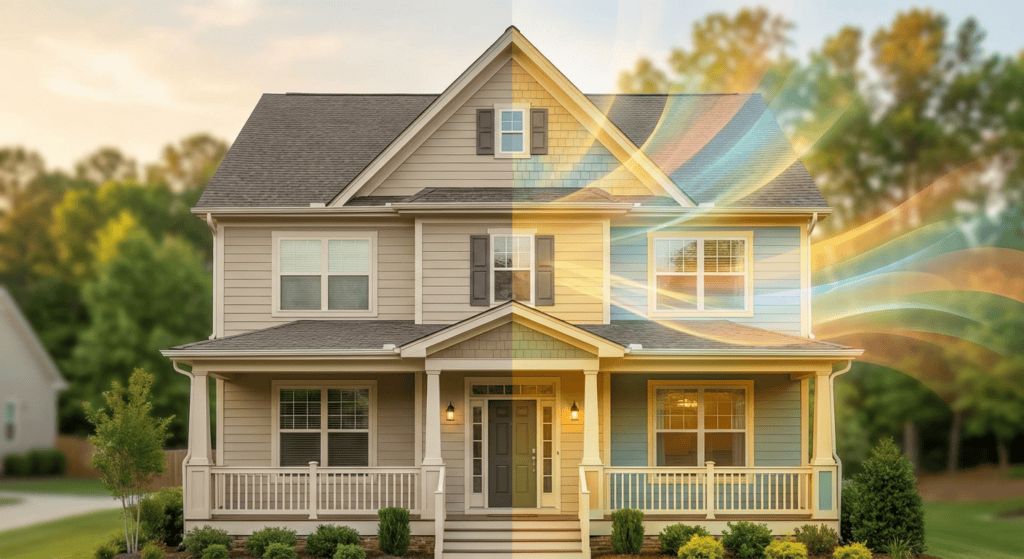
Selecting the right exterior paint colors is a significant decision that impacts your home's curb appeal and overall aesthetic. Color psychology plays a role, influencing how a home is perceived, while architectural harmony ensures the chosen colors complement the style and existing features of the house. For homes in regions with distinct seasonal changes, considering how colors appear under different lighting conditions throughout the year can be beneficial.
Popular color palettes for homes often reflect a balance between timeless appeal and current trends. These palettes can enhance a home's natural beauty and integrate it seamlessly into its surroundings.
- Classic Neutrals (Grays, Beiges, Whites)
- Earthy Tones (Terracotta, Sage Green, Deep Blues)
- Bold Accents (Charcoal, Deep Reds, Forest Greens)
- Coastal Vibes (Soft Blues, Sandy Beiges, Crisp Whites)
- Modern Contrasts (Black, White, and a striking accent color)
When choosing colors, consider how they will interact with the landscape and the surrounding architecture. A well-chosen palette can not only make your home visually appealing but also contribute to its perceived value. For more inspiration on interior color trends that can sometimes translate to exterior choices, exploring top interior paint color trends can offer a fresh perspective. Understanding the impact of different paint finishes, as discussed in guides on how to choose the right paint finish, is also crucial as finish affects how a color appears. For a broader understanding of residential painting, a general house painting checklist can ensure no detail is overlooked.
Harmonizing Colors with Your Home's Architecture
The architectural style of your home is a primary driver in selecting exterior paint colors. Traditional styles often benefit from classic, subdued palettes, while modern designs can embrace bolder, more contemporary color combinations. Understanding the undertones of your chosen colors is also critical; for example, a warm white might look stark against certain brickwork, whereas a creamy white could offer a softer complement. The goal is to create a cohesive look that respects the home's inherent design.
Exploring Color Psychology and Home Perception
Colors evoke emotions and perceptions, and this applies significantly to your home's exterior. Warm colors like reds and yellows can create a welcoming, energetic feel, while cool colors such as blues and greens often convey a sense of calm and serenity. Neutrals provide a versatile backdrop that can be adapted with landscaping and decorative elements. Considering the overall mood you wish to create for your home will guide you toward the most appropriate color choices, influencing how visitors and neighbors perceive your property.
Embracing Local Color Trends and Seasonal Influences
While timeless choices are always reliable, being aware of local color trends can help your home feel current and appealing. These trends often emerge from a blend of regional aesthetics, environmental considerations, and evolving design preferences. For instance, colors that complement the natural landscape or stand out beautifully against the backdrop of seasonal changes can be particularly effective. Keeping an eye on popular palettes can inspire unique combinations that enhance your home's character.
The Importance of Surface Preparation for Exterior Painting
Proper surface preparation is arguably the most critical phase of any exterior painting project, laying the foundation for a durable and aesthetically pleasing finish. Skipping or rushing these essential steps can lead to premature paint failure, including peeling, blistering, and poor adhesion, regardless of the quality of the paint used. A thorough preparation process ensures that the new paint has a clean, sound surface to adhere to, maximizing its lifespan and protecting the underlying materials of your home.
The key preparation steps involve meticulous cleaning to remove dirt, grime, mildew, and chalking paint, followed by scraping and sanding to smooth out any rough areas, loose paint, or imperfections. Any necessary repairs, such as caulking cracks or filling holes, should be addressed at this stage. Finally, applying a high-quality primer is essential, as it seals the surface, improves paint adhesion, and can even enhance the color's vibrancy and uniformity.
Here are the essential steps to ensure your exterior surfaces are ready for a fresh coat of paint.
- Clean the Surface. Thoroughly wash all surfaces to remove dirt, mildew, chalking paint, and any other contaminants. This can be done with a pressure washer on a low setting or a stiff brush and a cleaning solution.
- Scrape and Sand. Remove any loose or peeling paint by scraping. Sand down rough edges and feather out any remaining paint to create a smooth transition to the bare surface.
- Repair Imperfections. Fill any cracks, holes, or gouges with an appropriate exterior-grade filler or caulk. Ensure all repairs are fully cured before proceeding.
- Prime the Surface. Apply a high-quality exterior primer. Primer is crucial for adhesion, especially on bare wood, stained surfaces, or areas where significant scraping has occurred.
- Final Cleaning. After sanding and repairs, give the surface a final wipe-down or rinse to remove any dust or debris.
Proper preparation is paramount for a professional-looking and long-lasting paint job. For homeowners considering tackling this themselves, understanding the prep work involved can be invaluable. It's also beneficial to be aware of common painting mistakes homeowners make and how to avoid them, as many stem from inadequate preparation. When planning a painting project, a comprehensive house painting checklist will ensure that all critical preparation steps are accounted for, leading to superior results.
When to Paint. Temperature, Weather, and Environmental Factors
The timing of exterior painting projects significantly impacts the quality and longevity of the finish. While sunny days might seem ideal, the specific temperature, humidity, and presence of wind are critical environmental factors that dictate the success of an exterior paint job. Understanding these conditions is paramount for achieving optimal adhesion, proper curing, and a durable, attractive result that withstands the local climate.
Ideal painting conditions generally involve moderate temperatures, low humidity, and minimal wind. These factors allow the paint to dry and cure properly without being affected by extreme heat, moisture, or airborne debris. Conversely, painting in adverse conditions can lead to a range of problems, from uneven application and poor adhesion to surface defects and premature failure of the coating.
Here are some key considerations regarding painting conditions and environmental factors.
- Temperature. Most exterior paints perform best within a specific temperature range, typically between 10°C and 30°C (50°F and 85°F). Temperatures below this can slow drying and curing, while excessive heat can cause the paint to dry too quickly, leading to lap marks and poor adhesion.
- Humidity. High humidity levels can significantly slow down the drying and curing process of paint. It's generally advisable to avoid painting when humidity is above 85%.
- Rain and Moisture. Never paint in the rain or when rain is forecasted. Moisture on the surface will prevent the paint from adhering properly. Ensure surfaces are completely dry before application.
- Wind. While a light breeze can be beneficial for drying, strong winds can cause dust and debris to stick to wet paint, creating a rough finish. It can also cause the paint to dry too rapidly on the surface.
- Direct Sunlight. Avoid painting surfaces that are in direct, hot sunlight, especially during the hottest parts of the day. The heat can cause the paint to dry too quickly. It's often best to paint one side of the house at a time as the sun moves.
For homeowners, knowing the best times for exterior painting can lead to superior results. Understanding how weather affects exterior painting is crucial for planning and executing a successful project. This knowledge is particularly important when considering DIY painting mistakes to avoid, as many are related to improper timing and environmental conditions. Planning your painting project during the right season, such as during the late-summer painting window, can significantly contribute to its success and durability.
Top Exterior Paint Brands and Durability
When selecting exterior paint, understanding which brands are known for their durability and performance in challenging climates is essential. High-quality paints not only provide superior color retention and fade resistance but also offer better protection against the elements, including moisture, UV rays, and temperature fluctuations. Investing in reputable brands can save homeowners money in the long run by reducing the need for frequent repainting and costly repairs.
The durability of exterior paint is often attributed to its formulation, particularly the quality of the binders, pigments, and additives used. Premium paints typically feature advanced acrylic resins that provide excellent adhesion, flexibility, and resistance to cracking and peeling. They also incorporate higher concentrations of fade-resistant pigments, ensuring that colors remain vibrant for longer, even when exposed to intense sunlight.
For homeowners seeking the best in exterior paint performance, it's wise to research brands that consistently receive high ratings for longevity and weather resistance. These brands often invest heavily in research and development to create coatings that can withstand harsh environmental conditions. Consulting with professional painters can also provide valuable insights into which brands and product lines have proven most effective in local climates.
Choosing the right paint is a significant step towards a long-lasting finish. For homeowners interested in the financial aspects of painting, understanding the DIY vs professional painting costs can help in budgeting for quality materials. Additionally, exploring resources on latex vs. oil-based paint can clarify the different types of formulations available and their respective benefits. Ensuring proper surface preparation is also critical for maximizing the durability of any paint, regardless of the brand chosen.
Application Techniques. Brush, Roller, or Sprayer?
The method chosen for applying exterior paint can significantly influence the finish, efficiency, and overall success of the project. Each application technique, brush, roller, and sprayer, has its own set of advantages and is best suited for different surfaces and situations. Understanding when and how to use each tool effectively can help achieve a professional-looking result and ensure the paint is applied evenly and adheres properly.
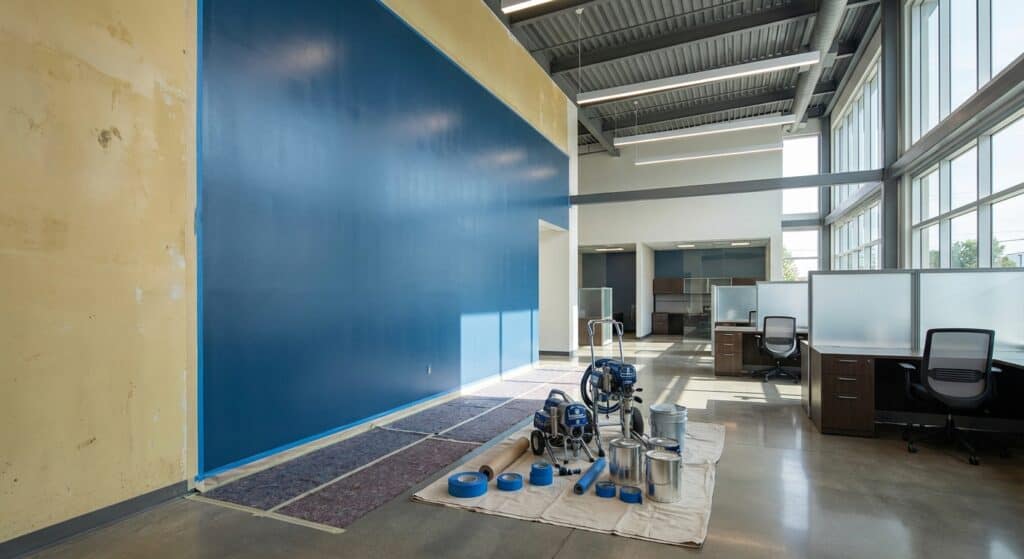
Brushes are ideal for detailed work, such as trim, corners, and intricate architectural features. They offer precise control and allow for thorough application in tight spaces. Rollers are excellent for covering large, flat surfaces quickly, such as siding and garage doors, providing a smooth and consistent finish. Paint sprayers offer the fastest application method and can achieve a very smooth, factory-like finish, especially on textured surfaces or areas with complex details, but they require careful masking and technique to prevent overspray.
For optimal results, a combination of these techniques is often employed on a single project. For instance, a painter might use a sprayer for the main body of the house and then use brushes for trim work. The choice of technique also depends on the type of paint being used and the desired aesthetic. Consulting with professionals can help determine the most effective application methods for your specific project needs.
When planning your painting project, familiarizing yourself with the steps involved in preparing for professional painters can streamline the process. Understanding the differences between latex vs. oil-based paint is also important, as some application methods may be better suited to one type over the other. Additionally, a comprehensive house painting checklist can guide you through all aspects of the painting process, ensuring a high-quality outcome.
Maintaining Your Exterior Paint Job
Preserving the beauty and integrity of your home's exterior paint requires ongoing maintenance. Even the most durable paint jobs can degrade over time if not properly cared for. Regular cleaning, timely touch-ups, and proactive care can significantly extend the life of your paint job, protect your home from the elements, and maintain its curb appeal. Neglecting maintenance can lead to more significant issues like wood rot or structural damage, which are far more costly to repair.
Routine cleaning is one of the most effective ways to maintain exterior paint. Washing your home's exterior periodically removes dirt, mildew, and pollutants that can accumulate on the surface. This not only keeps your home looking fresh but also prevents stains from setting in and potentially damaging the paint. Addressing minor issues like small chips or scratches promptly with touch-up paint is also crucial. These small repairs prevent moisture from penetrating the underlying surfaces, which can lead to larger problems.
Regular inspections of your home's exterior paint are also a key component of maintenance. Look for signs of wear, such as fading, chalking, cracking, or peeling. Addressing these issues early can prevent them from escalating. Professional painters can offer guidance on the best maintenance strategies for your specific paint type and climate conditions, ensuring your home remains protected and attractive for years to come.
For homeowners looking to ensure their investment in exterior paint lasts, understanding prep work's importance is fundamental. Knowing the best times for exterior painting can also help in planning future maintenance. For a thorough overview of the painting process, a detailed house painting checklist can serve as a valuable resource for homeowners.
Conclusion. Investing in Quality Exterior Paint
Investing in quality exterior paint is more than just a cosmetic choice; it's a fundamental aspect of protecting your home's structure and preserving its value. The right paint acts as a shield against harsh weather, environmental pollutants, and the relentless cycle of nature. By understanding the nuances of paint types, finishes, and application techniques, homeowners can make informed decisions that lead to a durable, beautiful, and long-lasting exterior.
The challenges posed by varying climates underscore the importance of selecting materials specifically suited for local conditions. From ensuring proper adhesion in fluctuating temperatures to resisting UV damage and moisture penetration, the demands placed on exterior paint are significant. Opting for high-performance coatings and professional application ensures that your home not only looks its best but is also adequately protected against the elements, minimizing the need for frequent and costly repairs.
Ultimately, the decision to invest in quality exterior paint and professional painting services pays dividends. It enhances curb appeal, contributes to property value, and provides peace of mind knowing your home is well-protected. Whether you're undertaking a full exterior repaint or considering a refresh, prioritizing quality materials and expert craftsmanship is the surest path to a beautiful and resilient finish.
For those seeking to enhance their home's exterior, exploring services related to exterior painting can provide a clear path forward. Understanding the cost of painting your home, whether DIY or professional, is an important consideration for budgeting. Additionally, ensuring the project is handled efficiently by professionals who understand the importance of surface preparation can guarantee superior and lasting results.
Frequently Asked Questions About Exterior Paint
| Question | Helpful Answer |
|---|---|
| What is the best type of exterior paint for harsh climates? | High-quality acrylic latex paints are generally considered the best for harsh climates due to their flexibility, durability, and resistance to cracking and peeling. They can expand and contract with temperature changes, offering superior protection. |
| How often should exterior paint be reapplied? | The frequency of repainting varies based on paint quality, climate, and preparation, but typically, exterior paint jobs last between 5 to 10 years. Regular maintenance and touch-ups can extend this lifespan. |
| Does the finish of exterior paint matter for durability? | Yes, the finish significantly impacts durability. Higher gloss finishes like semi-gloss or gloss are generally more durable, easier to clean, and more resistant to moisture and staining than flat or matte finishes. |
| What are the key steps in preparing surfaces for exterior painting? | Key preparation steps include thorough cleaning to remove dirt and mildew, scraping and sanding away loose or peeling paint, repairing any cracks or holes with caulk or filler, and applying a high-quality exterior primer to ensure proper adhesion. |
| Can I paint my house in cold weather? | While some specialized paints are formulated for lower temperatures, it's generally best to paint exterior surfaces when temperatures are moderate, typically between 10°C and 30°C (50°F and 85°F), and humidity is low, to ensure proper drying and curing. |