Latex vs. Oil-Based: Which Paint Reigns Supreme for Edmonton’s Climate?

Discover the ultimate paint guide for Edmonton homeowners! Compare latex and oil-based paints' performance, benefits, and drawbacks in our unique climate to make an informed decision for your exterior painting projects.

High-quality exterior and interior painting services in Phoenix, AZ with expert craftsmanship.

Phoenix Painting Team

Edmonton’s unique climate presents significant challenges for exterior painting, making the choice of paint a critical decision for homeowners. From scorching summers to freezing winters, the performance and longevity of an exterior paint job depend heavily on selecting the right product. Understanding how to choose the right exterior paint for Edmonton’s climate is essential to ensure durability and aesthetic appeal. Phoenix Painting recognizes that success hinges on paint properties that can withstand rapid temperature swings, variable humidity, and unpredictable precipitation, as detailed in “Weather Woes: How Edmonton’s Climate Affects Exterior Painting“. These weather woes significantly impact how paint adheres, cures, and protects your home. Therefore, careful paint selection is not merely a preference but a necessity for lasting results.

Key Insights for Paint Selection in Edmonton

Choosing the right paint for your Edmonton home’s exterior is crucial for longevity and aesthetic appeal. Edmonton’s distinct climate, characterized by temperature extremes, humidity fluctuations, and unpredictable precipitation, significantly impacts how paint performs. Proper timing of your painting project is just as important as the type of paint you choose to ensure it adheres correctly and cures effectively. Phoenix Painting emphasizes that understanding these factors is key to preventing adhesion issues and premature paint failure.

  • Key considerations for exterior paint in Edmonton’s climate:
    • Temperature Stability: Optimal paint application and curing occurs between 10°C to 25°C. Painting outside this range can lead to poor adhesion, improper curing, and reduced durability.
    • Humidity Levels: High humidity can extend drying times, increasing the risk of defects and mildew growth. Low humidity can cause paint to dry too quickly, leading to cracking or uneven finishes.
    • UV Resistance: Intense summer sun can cause premature fading and chalking. Paints with strong UV inhibitors are essential for maintaining color and finish integrity.
    • Flexibility: Edmonton’s freeze-thaw cycles demand paints with superior flexibility, such as 100% acrylic or elastomeric formulations, to accommodate siding expansion and contraction without cracking.
    • Surface Preparation: Meticulous cleaning, drying, and repairing of surfaces are non-negotiable for any paint type to ensure maximum adhesion and durability.
    • Optimal Timing: Summer (June-August) generally provides the best conditions due to warm, dry weather and long daylight hours. Late spring and early fall can also be suitable but require careful monitoring for frost and rain.
    • Professional Expertise: Hiring professionals is recommended to navigate unpredictable weather, ensure proper surface preparation, and guarantee expert application, mitigating risks associated with Edmonton’s climate.

For more details on when to schedule your project, refer to the Edmonton Homeowners’ Exterior Painting Guide: Best Times For Exterior Painting In Our Climate. Additionally, understanding why summer is the best time to paint your home exterior in Edmonton provides valuable context for maximizing paint performance.

Edmonton Climate Impact on Paint Durability

Edmonton’s climate is a significant determinant of exterior paint durability. The city experiences harsh temperature extremes, with hot summers and freezing winters, leading to frequent freeze-thaw cycles that stress paint films. Variable humidity and unpredictable precipitation also play a critical role, affecting paint application, curing, and long-term performance. Understanding these environmental factors is crucial for selecting a paint that will protect your home and maintain its appearance for years.

How Edmonton’s Extreme Weather Conditions Affect Exterior Paint Longevity

Edmonton’s continental climate presents unique challenges that directly influence the longevity and quality of exterior paint. The dramatic shifts between seasons, including rapid temperature changes, significant humidity variations, and intense UV exposure, demand paints with specific properties to endure these conditions. Failing to consider these factors can lead to common issues such as peeling, cracking, and premature fading.

  • Impact of Edmonton’s climate challenges on paint durability:
    1. Freeze-Thaw Cycles: Edmonton experiences over 50 annual freeze-thaw cycles. These cycles cause building materials to expand and contract repeatedly, putting immense stress on paint films. Paints lacking sufficient flexibility will crack and peel, compromising the protective barrier and aesthetic.
    2. Temperature Extremes: Painting below 5°C risks uncured paint, leading to poor adhesion and premature failure. Conversely, extreme summer heat (over 30°C) can cause paint to blister or dry too quickly, resulting in an uneven finish and reduced durability. The ideal temperature range for application is 10°C to 25°C.
    3. High Humidity: High humidity (above 80%) significantly slows the drying and curing process of paint, particularly water-based formulations. This extended drying time can lead to a sticky surface that attracts dirt and debris, increases the risk of mildew, and results in a softer, less durable film.
    4. Low Humidity: While less common than high humidity issues, extremely low humidity (below 30%) can cause paint to dry too rapidly, leading to cracking or poor film formation. This can also affect the paint’s ability to adhere properly to the substrate.
    5. UV Exposure: Edmonton experiences long daylight hours in summer with intense UV radiation. This exposure can break down paint binders, leading to chalking, fading, and a reduction in the paint’s protective qualities. Paints with strong UV inhibitors are vital for maintaining color stability and structural integrity.
    6. Wind: Wind can accelerate paint drying unevenly, causing brush marks, texture issues, and embedding airborne debris into the wet paint film. This compromises both the appearance and the durability of the finish. Professional painters often monitor wind conditions and may postpone work during high winds.
    7. Precipitation (Rain/Dew): Rain can instantly ruin freshly applied exterior paint if it has not had sufficient time to set and cure. Even heavy dew can re-emulsify water-based paints. A meticulous 24-48 hour dry forecast is essential before starting exterior painting projects.

Ignoring these climatic factors can lead to costly mistakes, as detailed in the guide on avoiding Top 5 DIY Painting Mistakes To Avoid In The Alberta Winter. For a deeper understanding of how weather affects exterior painting in Edmonton, further insights are available.

Latex vs. Oil-Based: Performance in Edmonton

When tackling an exterior painting project in Edmonton, the choice between latex and oil-based paint is critical. Each type possesses distinct characteristics that influence its performance, durability, and suitability for Edmonton’s challenging climate. Understanding these differences, particularly in terms of flexibility, drying time, adhesion, UV resistance, and overall longevity, will guide homeowners toward an informed decision that ensures a long-lasting and aesthetically pleasing finish.

Comparative Analysis of Latex and Oil-Based Paint for Edmonton’s Exterior

Versatile water-based latex and durable alkyd oil-based paints; compare flexibility, drying time, adhesion, UV resistance, moisture issues, cleanup, odor, and longevity for optimal painting results.
Versatile latex offers flexibility, quick drying, wide adhesion, UV stability, breathable film, easy cleanup, low odor, and long-lasting performance, ideal for various surfaces and climates.

The harsh environmental conditions in Edmonton, from extreme temperature swings to significant moisture, demand paints with specific performance attributes. Latex and oil-based paints respond differently to these stressors, making their inherent properties a key factor in their overall durability and longevity in the region.

FeatureLatex (Water-Based)Oil-Based (Alkyd)
FlexibilityHigh flexibility, ideal for accommodating thermal expansion and contraction (critical for Edmonton’s freeze-thaw cycles). Less prone to cracking and peeling.Less flexible, more brittle over time. Prone to cracking and chipping, especially on surfaces that experience movement.
Drying TimeDries quickly (1-2 hours to touch), allowing for multiple coats in a single day under ideal conditions. Fully cures in 2-4 weeks.Dries slowly (6-8 hours or more to touch), extending project timelines. Fully cures in several weeks to a month.
AdhesionExcellent adhesion to a wide range of surfaces, especially when proper primers are used. Good for previously painted surfaces.Strong adhesion to bare wood and metal. Can be problematic over old latex or glossy surfaces without extensive prep.
UV ResistanceGenerally superior UV resistance, retaining color and gloss longer. Less prone to chalking and fading from intense summer sun.Tends to chalk and yellow over time, particularly in direct sunlight. Can become brittle with prolonged UV exposure.
Moisture IssuesBreathable film allows moisture vapor to escape, reducing blistering and mildew. Can be applied to slightly damp surfaces.Forms a harder, less breathable film. Can trap moisture, leading to blistering if applied to damp surfaces.
CleanupEasy cleanup with soap and water.Requires mineral spirits or paint thinner for cleanup.
OdorLow VOCs (Volatile Organic Compounds) and less odor.High VOCs and strong, lingering odor.
Longevity in YEGHigh-performance 100% acrylic latex paints are often recommended for Edmonton’s climate due to their flexibility and UV stability.Historically used but less suited for the extreme thermal movement; newer acrylics often outperform in modern applications.

Elastomeric paints, a type of flexible latex, are particularly adept at accommodating siding expansion and contraction, which prevents cracking and extends the life of the finish in Edmonton’s freeze-thaw cycles. While oil-based paints have historically been valued for their hard, durable finish, professional painting often provides superior results, particularly with advanced latex formulations, ensuring the long-term integrity of your home’s exterior. For an in-depth look at paint choices, consult the Edmonton Exterior Paint Guide: Choosing The Right Finish For Our Climate. You can also explore how exterior repainting offers a high ROI Deep Dive: Is Repainting Your Home A Top Improvement? for homeowners.

Application and Maintenance Guide

Achieving a long-lasting exterior paint finish in Edmonton hinges not only on choosing the right paint but also on meticulous application and consistent maintenance. The city’s specific climate conditions necessitate careful attention to surface preparation, ideal weather windows, and ongoing care to protect your investment. Skipping these crucial steps, especially in a challenging environment like Edmonton, can lead to premature paint failure and costly reworks.

Optimal Application Techniques and Maintenance Tips for Edmonton’s Climate

Optimal application techniques and diligent maintenance are paramount for maximizing the lifespan of your exterior paint in Edmonton. These practices ensure the paint performs as intended, providing both aesthetic appeal and crucial protection against the elements.

  • Optimal application techniques and maintenance tips:
    • Choose the Right Season: Late spring (May/early June) through late summer (August) typically offers the most stable conditions in Edmonton. Avoid painting during periods of high humidity, impending rain, or when overnight temperatures are expected to drop below 10°C. July is often cited as the optimal month for exterior painting in YEG due to reliable warm, dry weather.
    • Thorough Surface Preparation: This is non-negotiable.
      • Cleaning: Power wash or hand wash surfaces to remove dirt, mildew, and loose paint. Allow 48-72 hours for outdoor surfaces to dry completely after washing.
      • Scraping/Sanding: Remove all loose, peeling, or chalking paint. Sand glossy surfaces to create a profile for new paint to adhere.
      • Repairs: Patch all holes, cracks, and imperfections with appropriate fillers. Address any water damage or rot before painting.
      • Priming: Apply a high-quality primer suitable for your surface and chosen paint type. Primer ensures better adhesion, blocks stains, and provides a uniform base.
    • Use the Right Tools: High-quality brushes, rollers, or sprayers are essential. Synthetic bristles are recommended for water-based (latex) paints, while natural bristles are better for oil-based paints. Use the correct roller nap size for the texture of your surface (e.g., 3/8-inch nap for smooth surfaces, 3/4-inch nap for rougher surfaces).
    • Apply Thin, Even Coats: Avoid applying paint too thickly. Multiple thin coats are always better than one thick coat, as thick coats can lead to sagging, blistering, and incomplete curing, especially in fluctuating temperatures.
    • Respect Drying and Curing Times: Allow adequate drying time between coats as per manufacturer instructions. Remember that cold temperatures and high humidity extend drying times significantly. A full cure, which provides maximum durability, can take 7 to 30 days for latex paints under ideal summer conditions. Aim to complete painting at least 4 to 6 weeks before the first hard frost.
    • Monitor Weather Conditions: Always check the 24-hour forecast for temperature, humidity, and precipitation. Ensure the surface temperature is at least 3°C above the dew point to prevent moisture condensation.
    • Ventilation: For interior projects, or if painting is done in enclosed exterior spaces, ensure proper airflow to remove moisture and VOCs without drastically cooling the space.
    • Regular Cleaning: Periodically clean your painted surfaces with a mild detergent and water to remove dirt, grime, and mildew. This prevents buildup that can degrade the paint film over time.
    • Prompt Repairs: Address any minor damage, chips, or cracks immediately to prevent moisture infiltration and further deterioration. Touch-ups extend the overall lifespan of the paint job.

For DIY enthusiasts, understanding and avoiding the Top 5 DIY Painting Mistakes To Avoid In The Alberta Winter is crucial. Late summer (August) is best for exterior paint curing, as this period maximizes curb appeal before fall, offering optimal conditions for paint to fully harden and protect your home. For comprehensive guidance on preparing your home for professional painters, consult resources on How To Prepare For A Professional Painting Company To Paint Your Home and Prep Work Pays Off: How To Prepare For Professional Painters.

Cost and ROI Analyst

Understanding the financial implications and return on investment (ROI) is crucial when deciding on exterior paint for your Edmonton home. While the initial cost of paint can vary, the long-term value is often determined by durability, maintenance requirements, and the impact on property value. Both latex and oil-based paints come with their own cost-benefit profiles, and the decision to DIY or hire professionals significantly influences overall expenditure and ROI.

Analyzing the Return on Investment for Exterior Paint Choices in Edmonton

Investing in exterior painting for your Edmonton home offers a high return on investment, often surpassing that of many major renovations. The choice between paint types and professional application directly influences these financial outcomes.

  • Cost implications and ROI for latex and oil-based paints:
    1. Initial Paint Cost: High-quality 100% acrylic latex paints, often recommended for Edmonton’s climate due to their flexibility and UV resistance, can sometimes have a slightly higher upfront cost per gallon compared to standard oil-based paints. However, specialized low-temperature oil-based paints might also be expensive.
    2. Application Costs (DIY vs. Professional):
      • DIY: Appears cheaper initially, as you only pay for materials. However, DIY involves time investment, potential tool rental/purchase costs, and the risk of costly mistakes (poor preparation, wrong paint choice, uneven application) that lead to premature failure and necessitate repainting sooner.
      • Professional: Higher upfront cost due to labor and expertise. Professionals save time, avoid costly mistakes, use specialized equipment (e.g., airless sprayers), and ensure a high-quality, long-lasting finish. This can lead to significant long-term savings by extending the paint’s lifespan.
    3. Durability and Lifespan:
      • Latex: Modern high-performance latex paints can last 10-15 years or more in Edmonton’s climate if properly applied and maintained, especially those designed with elastomeric properties for freeze-thaw cycles. Their superior UV resistance also means less fading, preserving curb appeal longer.
      • Oil-Based: Traditional oil-based paints, while durable, are less flexible and prone to cracking and chalking with Edmonton’s thermal cycling and UV exposure. This can lead to a shorter effective lifespan (7-10 years) before needing repainting, increasing long-term costs.
    4. Maintenance Costs:
      • Latex: Easier to clean and maintain, requiring less harsh chemicals. Minor touch-ups blend better.
      • Oil-Based: Can require more effort to clean and may show dirt more readily if chalking occurs.
    5. Return on Investment (ROI): Repainting consistently delivers one of the highest ROIs among home improvements.
      • Exterior Painting: Can yield 70% to 107% ROI. A fresh, well-maintained exterior significantly boosts curb appeal, making the home more attractive to potential buyers and often allowing for a higher asking price.
      • Interior Painting: Provides 50% to 100% ROI by enhancing move-in readiness and modernizing spaces.
    6. Protection of Asset: Quality exterior paint acts as a crucial barrier against Edmonton’s harsh weather (snow, rain, UV rays, freeze-thaw), protecting the underlying structure of the home. This preventive maintenance avoids more costly repairs down the line, enhancing the overall value and longevity of your property. Professional application ensures this protective barrier is robust and effective.

Why Hiring Professional Painters Saves You Time And Money by ensuring quality and efficiency is a significant factor in achieving this high ROI. Exterior repainting yields 70% to 107% ROI, as it boosts curb appeal and protection against Edmonton’s challenging elements. This makes Why Repainting Is One Of The Best ROI Home Improvements You Can Make.

Common Mistakes and Solutions

Exterior painting in Edmonton is fraught with potential pitfalls, especially when homeowners attempt DIY projects or choose unsuitable materials for the climate. Making the wrong choices regarding paint type, application techniques, or ignoring environmental factors can lead to premature paint failure, unsightly finishes, and costly reworks. Identifying these common mistakes and understanding their solutions is essential for ensuring a successful and durable paint job that withstands Edmonton’s unique challenges.

Preventing Painting Pitfalls: Solutions for Edmonton Homeowners

Many common painting mistakes, particularly in Edmonton’s challenging climate, can be avoided with proper planning, material selection, and technique. Understanding these pitfalls is the first step towards a flawless and long-lasting exterior paint job.

  • Common mistakes and solutions for exterior painting in Edmonton:
    • Mistake 1: Inadequate Surface Preparation:
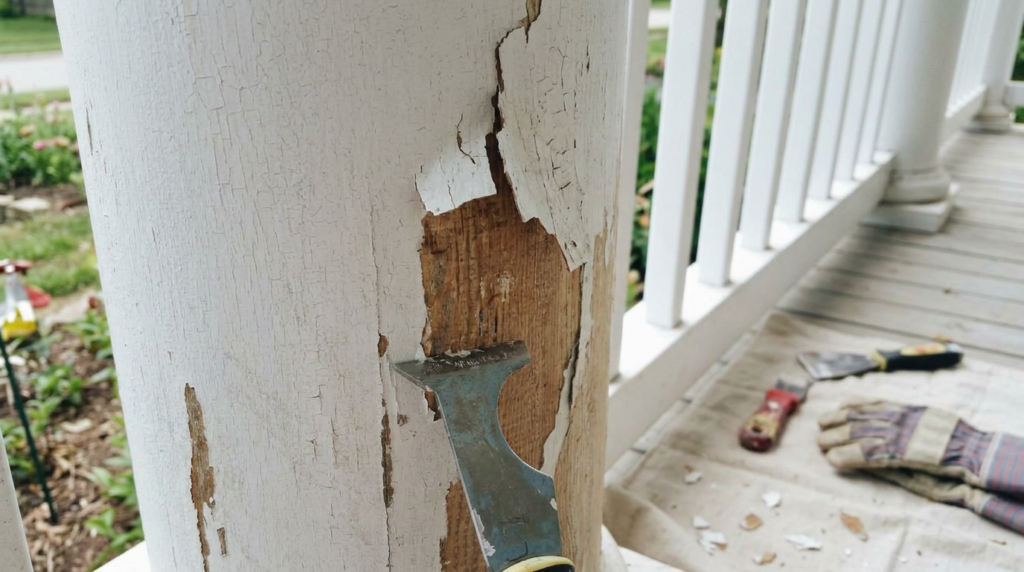
      • Problem: Skipping crucial steps like cleaning, scraping, sanding, and priming leads to poor adhesion, premature peeling, and an uneven finish. The paint will fail quickly, especially under Edmonton’s freeze-thaw cycles.
      • Solution: Preparation is non-negotiable. Meticulously clean all surfaces to remove dirt, grime, and mildew (pressure washing is effective for exteriors). Scrape off all loose paint, sand glossy areas, and repair any damage (cracks, holes). Always apply a high-quality primer to ensure optimal adhesion and a uniform base. Inadequate surface preparation causes paint peeling, highlighting that cleaning, repair, and priming are vital steps.
    • Mistake 2: Ignoring Temperature and Humidity Guidelines:
      • Problem: Painting when it’s too cold (below 10°C) prevents proper curing, leading to poor adhesion and cracking. Painting in extreme heat (above 30°C) can cause blistering and rapid, uneven drying. High humidity prolongs drying times, inviting dirt and mildew, while low humidity can cause cracking.
      • Solution: Always check the 24-hour forecast. Paint during the optimal window of 10°C to 25°C, ensuring overnight temperatures stay above the minimum for your chosen paint. Avoid painting during high humidity or when rain is expected within 24-48 hours. Consider late summer (August) for optimal curing before fall.
    • Mistake 3: Using the Wrong Paint Type or Sheen for the Environment:
      • Problem: Using standard interior paints or latex paints not formulated for cold temperatures on exteriors can lead to freezing, poor adhesion, and rapid deterioration. Choosing a sheen inappropriate for the surface or climate can also impact durability and appearance.
      • Solution: Select 100% acrylic latex or elastomeric paints for exteriors in Edmonton due to their flexibility and UV resistance, which can withstand freeze-thaw cycles. For cold weather projects, specialized “Low-Temperature” latex paints are available. Always consult manufacturer guidelines. Consider lighter colors for exteriors to reduce heat absorption and improve longevity.
    • Mistake 4: Rushing the Drying Process and Applying Thick Coats:
      • Problem: Not allowing adequate drying time between coats or applying paint too thickly leads to sagging, wrinkling, blistering, and an overall weaker paint film that is more susceptible to weather damage.
      • Solution: Patience is key. Apply multiple thin, even coats as per manufacturer recommendations. Allow each coat to dry completely before applying the next. In colder or more humid conditions, drying times will be extended. Professional application often involves techniques like HVLP spraying for thin, uniform coats.
    • Mistake 5: DIY vs. Professional Misjudgment:
      • Problem: Homeowners often underestimate the complexity, time, and skill required for a quality exterior paint job, leading to subpar results that cost more in the long run than hiring a professional. DIY errors can compromise the home’s protection and curb appeal.
      • Solution: Recognize when to call experts. Professional painters have the experience, specialized equipment, and knowledge of Edmonton’s climate to ensure meticulous preparation, correct paint selection, and expert application. This guarantees a durable, aesthetically pleasing finish, saves time, and provides a better long-term ROI compared to DIY pitfalls.

These insights are further elaborated in the Top 5 DIY Painting Mistakes To Avoid In The Alberta Winter, as well as the comprehensive guide on DIY Vs. Pro: Top 5 Painting Mistakes Homeowners Make In Edmonton. The importance of avoiding these errors is also stressed in the Top 5 Painting Mistakes Homeowners Make (And How To Avoid Them), and the benefits of proper timing are highlighted in Late-Summer Home Painting Projects To Boost Curb Appeal Before Fall.

Conclusion

Choosing between latex and oil-based paint for your Edmonton home’s exterior is a decision with significant implications for durability and long-term value. Edmonton’s climate presents challenges that necessitate a careful evaluation of each paint type’s strengths and weaknesses. While oil-based paints offer a hard, durable finish, modern 100% acrylic latex paints, particularly elastomeric formulations, often emerge as the superior choice for exterior applications in our region due to their flexibility, UV resistance, and ability to withstand the city’s freeze-thaw cycles.

Professional painters offer expertise in local conditions, ensuring proper preparation and material selection, which is critical for a lasting finish. They possess the knowledge to navigate unpredictable weather, select the ideal paint for your specific surfaces, and apply it expertly. This not only guarantees superior quality but also maximizes the return on your investment. For homeowners seeking lasting results, consulting an Edmonton Homeowners’ Exterior Painting Guide: Best Times For Exterior Painting In Our Climate and understanding how to choose the right exterior paint for Edmonton’s climate are invaluable steps. Ultimately, investing in professional services is a smart decision that saves time, avoids costly mistakes, and ensures a beautiful, protected home for years to come, as detailed in Why Hiring Professional Painters Saves You Time And Money.

FAQ

Navigating exterior painting in Edmonton can raise many questions for homeowners, especially when considering the nuances of latex versus oil-based paints and the impact of our unique climate. Here are some frequently asked questions to help you make informed decisions for your next painting project.

QuestionAnswer
What are the ideal weather conditions for exterior painting in Edmonton?The ideal temperature range for exterior painting in Edmonton is generally 10°C to 25°C. Low humidity and a forecast free of rain for 24-48 hours are also crucial. Mid-May through September is typically the optimal window, with July often being the most reliable month. Painting below 5°C or above 30°C can lead to adhesion issues and premature paint failure. For more insights, refer to How Weather Affects Exterior Painting In Edmonton.
Can I use oil-based paint over latex paint?Generally, yes, but with proper preparation. You must thoroughly clean, degloss, and sand the latex surface, then apply a high-quality oil-based primer. Without proper prep, the oil-based paint may not adhere well and could peel. However, modern latex paints are often preferred for their flexibility and UV resistance in Edmonton’s climate.
Is surface preparation really that important?Absolutely. Surface preparation is the most critical step for any exterior paint job, regardless of paint type. Skipping it guarantees premature paint failure. This includes cleaning, scraping, sanding, repairing damage, and priming. Proper prep ensures maximum adhesion and a long-lasting, durable finish.
How does Edmonton’s freeze-thaw cycle affect paint?Edmonton’s frequent freeze-thaw cycles cause building materials to expand and contract. Paints must be highly flexible (like 100% acrylic or elastomeric latex) to move with the substrate without cracking or peeling. Oil-based paints are typically less flexible and more prone to cracking in these conditions.
What type of paint is best for UV protection in Edmonton?High-quality 100% acrylic latex paints generally offer superior UV resistance compared to traditional oil-based paints. They retain color and gloss better, resisting chalking and fading from Edmonton’s intense summer sun. Look for paints specifically formulated with strong UV inhibitors.
How long does exterior paint last in Edmonton’s climate?The lifespan of exterior paint in Edmonton varies based on paint quality, surface preparation, application, and exposure. High-quality acrylic latex paints, professionally applied, can last 10-15 years or more. Poor quality paint or improper application may fail in as little as 2-5 years. For more details on paint finishes, consult the Edmonton Exterior Paint Guide: Choosing The Right Finish For Our Climate.
Why should I consider hiring professional painters?Professionals possess local expertise, ensuring proper paint selection and application techniques for Edmonton’s unique climate. They use high-quality tools, ensure meticulous surface preparation, and offer warranties, saving homeowners time, preventing costly mistakes, and delivering superior, longer-lasting results compared to DIY efforts. You can find more information on our FAQ page.

More Posts

January 15, 2026
A DIY home improvement project showing sanding and repainting weathered house siding on a rainy day. Tools like a pressure washer, putty, and paint roller are visible for home repair and renovation.

Edmonton House Painting Checklist: Essential Steps Before You Paint

Edmonton homeowners, get your ultimate pre-paint checklist! Navigate climate challenges, pick the right materials, and prep like a pro for a stunning, long-lasting house painting project.
December 19, 2025
Colorful orange and white striped wall in a modern interior, with painting tools and a bucket on the floor, indicating ongoing home decor or renovation project.

How to Choose the Right Paint Finish for Your Edmonton Living Room

December 17, 2025
An outdoor winter environment showing chilly temperatures, winter gear, and snow-covered landscape.

Top 5 DIY Painting Mistakes to Avoid in the Alberta Winter