Understanding Exterior Painter Quotes
Obtaining a detailed exterior painter quote is a critical step for any homeowner planning to refresh their property’s facade. Understanding the specifics within each estimate ensures you are making an informed decision, budgeting accurately, and setting clear expectations for the project’s scope and outcome. A comprehensive quote provides transparency and peace of mind, allowing you to proceed with confidence.
When comparing exterior painter quotes, look beyond just the bottom line. A thorough estimate will break down costs for materials, labor, preparation work, and any additional services like minor repairs or specialized finishes. This level of detail helps identify potential hidden costs and allows for a fair comparison between different painting professionals.
For homeowners in Edmonton, Alberta, seeking a reliable exterior painter means prioritizing clarity and professionalism from the outset. We recommend obtaining multiple quotes to gauge the market and ensure you select a service that aligns with your needs and budget. For more information on our comprehensive painting services, feel free to contact us for more.
Why Proper Preparation is Crucial
The longevity and aesthetic appeal of an exterior paint job are directly tied to the preparation work undertaken beforehand. Skimping on this essential phase can lead to premature peeling, blistering, and an uneven finish, ultimately costing more in the long run. Thorough preparation by professional painters ensures a smooth, durable, and beautiful result.
Rushed preparation often overlooks critical steps like cleaning, scraping, sanding, and priming, which are vital for paint adhesion and surface protection. Professional painters understand that these steps are not optional but fundamental to achieving a high-quality finish that withstands the elements. Our commitment to meticulous preparation is a cornerstone of our painting process for more.
Choosing to work with experienced professionals means investing in a lasting finish. We differentiate ourselves through our dedication to detail, ensuring every surface is primed for perfection. Explore why choose us for your next project.
Understanding the importance of proper wall preparation is key to a successful paint job, whether you are a DIY enthusiast or hiring professionals. For a comprehensive guide on how to get your walls ready, check out our prep walls for painting guide for more.
To ensure your exterior painting project runs as smoothly as possible, taking proactive steps before the painters arrive is essential. A well-prepared home allows painting professionals to focus on what they do best: applying paint. Here is a guide to help you prepare your home for the exterior painting team, covering everything from surface prep to choosing the right paint, and you can also review our Edmonton house painting checklist for more.
- Clear the Perimeter: Move all furniture, planters, grills, and decorative items away from the house exterior. Ensure pathways are clear for painters to access all areas easily.
- Trim Vegetation: Trim back any bushes, shrubs, or tree branches that are close to the house walls. This provides painters with unobstructed access and prevents accidental paint transfer onto foliage.
- Secure Loose Items: Remove or secure any items that could be damaged by dust or paint, such as outdoor lights, house numbers, or mailboxes.
- Inform Neighbours: If your property is close to neighbours, it’s courteous to inform them about the upcoming painting project, especially regarding potential noise or activity.
- Discuss Colour Choices: Finalize your paint colours and finishes with the painting contractor before the project begins to avoid any last-minute changes. For a full overview of our residential painting services, visit our site.
Prepare Windows and Doors
Proper preparation of windows and doors is crucial for a professional finish. Ensure all windows and doors are clean and free of any debris. For more detailed advice on common pitfalls, check out our guide on painting mistakes to avoid for more.
Windows and doors are critical points where meticulous preparation can prevent paint seepage and ensure a clean aesthetic. This involves cleaning the frames, ensuring glass is protected, and checking for any existing damage that needs addressing before painting commences. Proper attention here guarantees a crisp, professional look. If you’re considering a commercial project, our commercial painting services offer comprehensive preparation and execution.
For windows, ensure the frames are clean and free of debris. If there are any gaps between the frame and the glass, a painter might apply painter’s tape to create a sharp line. For doors, check that they open and close smoothly; any sticking should be addressed before painting begins to ensure the new paint doesn’t interfere with their function.
Address Decks and Patios
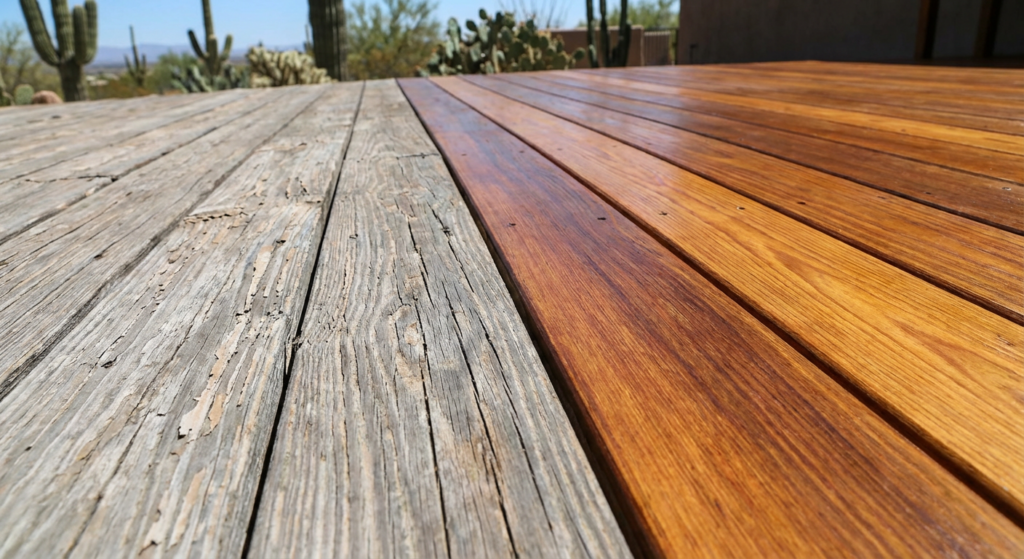
Exterior painting often involves areas beyond just the walls, including decks and patios. These surfaces require specific preparation to ensure durability and appearance. Power washing is often a key step, followed by checking for loose boards or railings that may need repair or replacement before painting or staining.
The preparation for decks and patios typically involves thorough cleaning to remove dirt, mildew, and old finishes. Any loose railings or deck boards should be secured or repaired. For detailed information on our exterior painting guide, please explore our offerings.
Communicate with Your Painter
Open communication with your exterior painting contractor is paramount for a successful project. Discuss your expectations, any specific concerns you have, and the project timeline. Ensure you understand the scope of work included in the quote and agree on a communication plan for the duration of the painting job.
A proactive dialogue helps prevent misunderstandings and ensures the final outcome aligns with your vision. Don’t hesitate to ask questions at any stage. For any queries, please contact us for more.
Protecting Your Belongings
During an exterior painting project, safeguarding your personal belongings from paint splatters and dust is a priority. Professional painters employ strategic methods to protect everything from delicate furniture to outdoor fixtures, ensuring that your property remains pristine throughout the process. This includes careful covering and removal of items that cannot be moved further away. Understanding the benefits of hiring professional painters for your home can help you make an informed decision about your project.
Our team utilizes high-quality drop cloths, tarps, and plastic sheeting to cover furniture, flooring, and landscaping near the work area. Any items that can be easily moved are typically relocated to a safe, interior space. For items that must remain outdoors or cannot be moved, like built-in seating or large appliances, we take extra care to cover them thoroughly.
- Furniture: All outdoor furniture, cushions, and decorative items should be moved to a safe location, ideally indoors. If unable to move, they will be carefully covered with heavy-duty tarps.
- Plants and Landscaping: Smaller potted plants can be moved. Larger shrubs and delicate landscaping near the house will be covered with protective sheeting to shield them from overspray.
- Fixtures: Items like light fixtures, house numbers, mailboxes, and wall-mounted decorations will be removed if possible. If not, they will be meticulously masked and covered.
- Flooring/Patios: Walkways, patios, and decks adjacent to the house will be covered with drop cloths or plastic to protect them from paint drips and dust.
- Appliances: Any outdoor appliances, such as grills or refrigerators, will be covered with protective plastic.
Surface Preparation: Walls, Ceilings, Trim
The foundation of a superior exterior paint job lies in the meticulous preparation of every surface. This involves a systematic approach to cleaning, repairing, and priming walls, ceilings, and trim to ensure optimal adhesion and a flawless finish. Our expertise in surface preparation is what sets our prep walls for painting services apart.
We begin by thoroughly cleaning all exterior surfaces to remove dirt, grime, mildew, and chalking. This is often followed by scraping away any loose or peeling paint. For areas with significant wear, sanding may be required to create a smooth transition. Minor repairs, such as filling small cracks or caulking gaps, are also addressed during this phase to create a uniform canvas.
A real-world example of our expertise can be seen in projects where older homes with weathered wood siding require careful attention. We don’t just paint over imperfections; we address them. This might involve repairing damaged wood, replacing rotten sections, and applying specialized primers to seal stains and ensure the new paint adheres beautifully. This dedication to detail is why homeowners trust us for their surface repair and painting needs, including comprehensive Edmonton home painting services for more.
Preparing Specific Exterior Areas
Different parts of your home’s exterior present unique challenges and require tailored preparation methods. Whether it’s the intricate details of window frames, the resilience needed for railings, or the specific requirements of different materials like stucco or brick, our approach ensures each area is treated appropriately for the best possible outcome. For instance, understanding the best time to paint your house in Edmonton can significantly impact the longevity of the finish, and avoiding common 7 painting mistakes in Alberta is crucial.
For instance, entryways often see the most foot traffic and require durable finishes, meaning thorough cleaning and possibly a more robust primer. Decks and railings need to be free of debris and often require sanding or power washing to ensure new finishes adhere correctly. Areas with varying materials, like combining brick with siding, demand careful masking and specific primers suited to each surface. When considering exterior projects, understanding the best time to paint your house in Edmonton can make a significant difference in the longevity and appearance of the finish.
- Entryways: Focus on cleaning the surfaces thoroughly and ensuring any existing paint is stable. Protective coatings might be considered for high-traffic areas.
- Decks and Porches: Power washing is often necessary to remove dirt and mildew. Loose boards or railings should be repaired before any painting or staining.
- Railings and Fences: Ensure these are clean, dry, and free of loose paint or splinters. All hardware should be protected or removed.
- Stucco and Brick: These surfaces require specific cleaning methods to avoid damage. Cracks should be filled, and appropriate primers used to ensure adhesion.
- Trim and Fascia: Meticulous caulking of gaps and removal of old, peeling paint are essential for a clean, finished look.
What to Expect from Quotes
A professional exterior painter’s quote is more than just a price; it’s a detailed roadmap of your painting project. It should clearly outline the scope of work, the materials to be used, the preparation steps involved, the timeline, and the total cost. Understanding these components is key to comparing estimates and ensuring you receive value for your investment.
When you receive an estimate, look for a breakdown of costs. This typically includes labor (hourly or fixed), materials (paint, primer, supplies), and any supplementary services like minor repairs or power washing. A reputable painter will also specify the type and brand of paint they intend to use, giving you insight into the quality of the finish.
We aim to provide transparent and comprehensive quotes for all our projects. Our estimates detail every aspect of the service, ensuring there are no surprises. For more details on our pricing structure and to understand how we deliver value, please visit our pricing page or request a quote today. We also offer specialized services for businesses, as our guide to commercial painting environments explains.
Benefits of Professional Painters
Choosing professional painters offers numerous advantages over attempting a DIY project. For instance, understanding the benefits of hiring professionals can help you make an informed decision about your next home improvement project; learn more about why hiring professional painters saves you time and money.
Hiring professional exterior painters offers numerous advantages over attempting a DIY project. Professionals bring expertise, specialized equipment, and a systematic approach that ensures a high-quality, durable finish. This translates to significant time savings, superior results, and peace of mind for homeowners.
The benefits extend beyond just the final coat of paint. Professionals have the knowledge to select the right paints and primers for your specific climate and home materials, ensuring longevity. They also handle the entire process, from initial preparation and cleanup to disposal of waste, allowing you to enjoy your newly painted home without the hassle. For homeowners considering a painting project, understanding the difference between DIY and professional services is key, and our guide to pros vs DIY house painting can help you decide.
- Expertise and Experience: Professionals possess the skills and knowledge to handle various surfaces and challenges, ensuring a flawless finish.
- Quality Materials: They use high-grade paints and supplies that offer better durability and protection against the elements.
- Efficiency: With the right tools and a practiced team, professionals can complete projects much faster than an individual.
- Safety: Exterior painting often involves working at heights. Professionals are trained in safety protocols and have the necessary equipment to perform the job safely.
- Warranty and Guarantees: Reputable painting companies often offer warranties on their work, providing an added layer of assurance.
Ready for Your Exterior Painting?
Embarking on an exterior painting project is an excellent way to enhance your home’s curb appeal and protect its structure. With a clear understanding of the quoting process, the importance of preparation, and the benefits of hiring professionals, you are well-equipped to make informed decisions. Understanding the impact of your color choices is also vital; exploring exterior paint color psychology can help you select the perfect shades for your home. Our team is ready to bring your vision to life.
We pride ourselves on delivering exceptional results through meticulous preparation, high-quality materials, and expert application. Let us handle the complexities of your exterior painting project, ensuring a beautiful and lasting finish for your home. Review our portfolio to see examples of our work.
Don’t let the prospect of an exterior painting project overwhelm you. Take the first step towards a refreshed and vibrant home by reaching out to our experienced team. We are committed to providing outstanding service from the initial consultation to the final brushstroke. Contact us today to schedule your consultation and receive a comprehensive quote.
Frequently Asked Questions
Understanding common questions about exterior painting can help homeowners navigate the process with greater ease. We’ve compiled answers to some of the most frequently asked questions to provide clarity and confidence as you prepare for your project. For instance, understanding the difference between DIY and professional services can be crucial; our guide on local pros vs DIY explains the benefits of each approach.
| Question | Answer |
|---|---|
| What are the key preparation steps an exterior painter will take before painting my house? | Key preparation steps typically include thorough cleaning (power washing), scraping and sanding loose paint, caulking gaps and cracks, priming bare surfaces, and masking off areas not to be painted. This ensures a durable and smooth finish. For more details on this process, see our quick guide to prep walls for painting for more. |
| How much does it typically cost to hire an exterior painter for a standard-sized home? | The cost can vary significantly based on the home’s size, condition, materials used, and the complexity of the job. For a standard-sized home, quotes can range from $3,000 to $10,000 or more. It’s essential to get detailed quotes from multiple painters. |
| What is the best season to hire an exterior painter? | The best seasons are typically spring and fall when temperatures are moderate, and humidity is low. These conditions are ideal for paint application and drying, ensuring the best results. Avoid extreme heat, cold, or excessively wet periods. |
| What should I expect to pay for exterior house painting services, considering preparation and labor? | Expect the quote to include costs for labor, paint, primer, and all necessary supplies. Preparation is a significant part of the cost, as it ensures quality. Labor costs reflect the time and skill involved. A comprehensive quote will detail these breakdowns. |