Your Essential Edmonton House Painting Checklist
Embarking on a house painting project requires careful planning, especially when considering the unique climate and conditions. A well-prepared approach to your house painting checklist ensures that the final result is not only beautiful but also durable. By addressing key considerations before the first brushstroke, homeowners can set the stage for a successful transformation of their living spaces. Investing time in preparation now will pay dividends in the long run, leading to a finish that withstands the test of time and weather.
Proper preparation is the bedrock of any successful painting endeavor. This involves more than just selecting colors; it encompasses assessing the current condition of your home's surfaces, understanding the impact of the local environment on paint application, and planning the logistics of the project. For homeowners looking to enhance their property's appeal and protection, a thorough checklist is an indispensable tool. Consulting resources on proper surface preparation and understanding the best times for exterior painting can significantly contribute to achieving a flawless and lasting finish.
When you’re ready to tackle a significant home improvement, ensuring you have a comprehensive plan is paramount. This includes understanding the factors that influence the longevity of your paint job, such as choosing the right exterior paint for the climate, and knowing when to call in the experts. A detailed checklist will guide you through each phase, from initial assessment to the final coat, helping you avoid common pitfalls and ensuring your investment is well-protected.
Why Choose Professional House Painting in Edmonton?
Opting for professional house painting services offers a multitude of benefits that go beyond a simple aesthetic upgrade. Professionals bring a level of expertise, precision, and efficiency that is difficult for homeowners to replicate on their own. They possess a deep understanding of different paint types and finishes, ensuring the materials chosen are best suited for your home’s specific needs and the local climate. This expertise translates into a higher quality finish that is more durable and visually appealing.
The advantages of hiring professional painters extend to significant time and cost savings in the long run. Professionals can complete projects more quickly and efficiently, minimizing disruption to your household routine. Their experience allows them to anticipate and mitigate potential issues, preventing costly mistakes that can arise from DIY attempts. Moreover, professional painters are equipped with the right tools and techniques to achieve a smooth, even application, resulting in a superior finish that enhances your home's curb appeal and value. Discover more about why hiring professional painters saves you time and money.
Ultimately, the decision to hire professionals for your painting project is an investment in quality and peace of mind. Their commitment to delivering exceptional results, coupled with their knowledge of best practices and materials, ensures a beautiful and long-lasting outcome. For a truly transformative and worry-free experience, professional house painting is the clear choice for homeowners seeking excellence. You can learn more about the ROI of repainting your home and the value it brings.
Understanding Edmonton House Painting Costs
The cost of house painting in any region is influenced by several key factors, and the local market plays a significant role. For homeowners in Edmonton, understanding these variables is crucial for budgeting and planning. These factors typically include the total square footage of the area to be painted, the quality and type of paint selected, and the complexity of the labor involved, such as the need for extensive surface preparation or intricate detailing. Getting an accurate estimate requires a thorough assessment by a professional painting service.
The pricing structure for house painting can vary considerably between interior and exterior projects. Exterior painting often involves more robust materials to withstand weather elements, specialized equipment for reaching higher areas, and more extensive surface preparation due to exposure to the elements. Interior painting, while potentially involving more detailed color work and finishes, may be less labor-intensive in terms of access and material durability requirements. Understanding these distinctions helps homeowners allocate their budget effectively.
To ensure you receive a fair and accurate quote for your painting project, following a structured process for obtaining estimates is recommended. This typically involves contacting multiple reputable painting companies, scheduling on-site consultations for detailed assessments, discussing your specific needs and expectations, and requesting written proposals that clearly outline the scope of work, materials, and costs. This diligence ensures transparency and helps you make an informed decision when selecting the right professionals for your home.
Factors Influencing Painting Project Expenses
When considering the financial investment in a painting project, several elements contribute to the overall expense. The size of the space to be covered is a primary driver, with larger areas naturally requiring more paint and labor. The quality of the paint itself is another significant factor; premium paints offer better durability, coverage, and finish, but come at a higher price point. Labor costs are also variable, influenced by the complexity of the job, the condition of the surfaces, and the hourly rates of the painters.
| Cost Component | Description | Typical Range |
|---|---|---|
| Paint Quality | Standard, Premium, or Specialty Paints | $30 – $100+ per gallon |
| Surface Area | Square footage of walls/exteriors | Varies based on home size |
| Labor | Painter's hourly rate, prep time, application complexity | $30 – $70+ per hour per painter |
| Surface Preparation | Cleaning, sanding, repairs, priming | Added cost based on condition |
| Additional Services | Trim work, ceiling painting, specialized finishes | Varies by scope |
Interior vs. Exterior Painting Price Differences
The cost disparity between interior and exterior painting stems from fundamental differences in materials, application, and preparation. Exterior projects generally command higher prices due to the need for weather-resistant paints, specialized scaffolding or lifts for access, and more intensive surface preparation to address wear and tear from the elements. Interior painting, while requiring precision and attention to detail, often uses less specialized materials and equipment, potentially leading to lower overall costs for comparable surface areas.
- Paint Quality Exterior paints are formulated to resist UV rays, moisture, and temperature fluctuations, making them more expensive than interior paints.
- Surface Preparation Exterior surfaces are exposed to more damage, often requiring more extensive cleaning, scraping, sanding, and priming.
- Application Complexity Reaching high gables or intricate architectural details on the exterior can require specialized equipment and more time.
- Durability and Longevity Exterior paints are designed for longer lifespans under harsh conditions, justifying a higher initial investment.
Steps to Obtaining an Accurate Painting Quote
Securing a precise estimate for your painting project involves a systematic approach to ensure all aspects of the job are considered. This process helps both you and the painting company understand the full scope of work, leading to a fair and transparent quote. By following these steps, you can confidently move forward with selecting a professional service that meets your needs and budget.
- Define Your Project Scope. Clearly identify which areas of your home need painting, the desired colors, and any specific finish requirements.
- Research Reputable Painters. Look for experienced and well-reviewed painting companies in your area. Check their portfolios and testimonials.
- Schedule Consultations. Contact at least three different companies to schedule on-site assessments of your project.
- Discuss Details Thoroughly. During the consultation, discuss surface preparation needs, paint types, timelines, and your budget expectations.
- Request Written Estimates. Ensure each company provides a detailed, written quote that includes a breakdown of costs for labor, materials, and any additional services.
- Compare Proposals. Carefully review each estimate, comparing not just the price but also the scope of work, quality of materials proposed, and the company’s professionalism.
Choosing the Right Paint and Colors for Your Edmonton Home
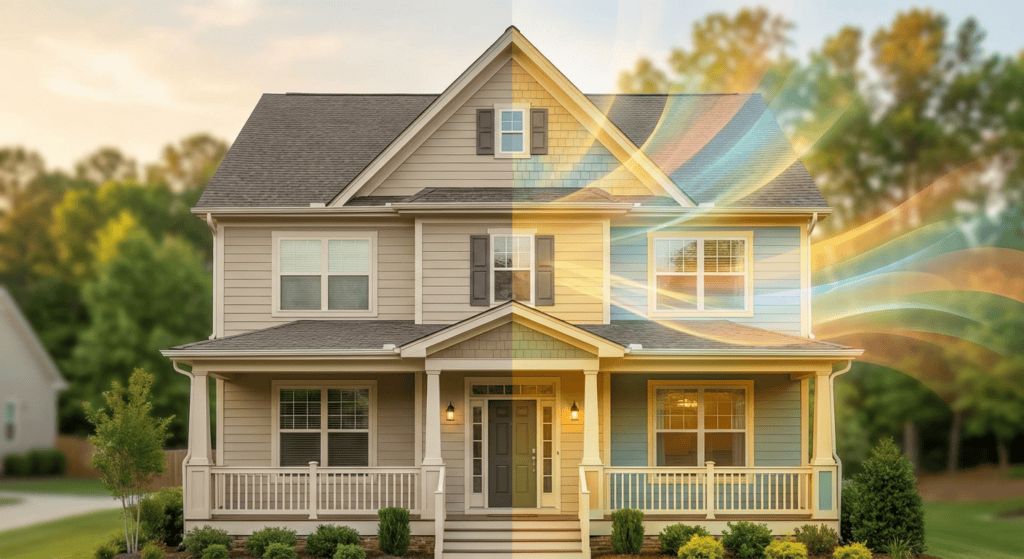
Selecting the perfect paint and colors is a critical step in any home transformation. For homeowners, this involves considering not only personal aesthetic preferences but also the practicalities of the local climate and the specific surfaces being painted. Understanding the different types of paint available, the various finishes they offer, and how colors interact with light can help you make informed decisions that result in a beautiful and enduring finish for your home. This careful selection process ensures your home’s exterior and interior look their best.
The process of choosing paint colors and finishes should be systematic to ensure optimal results. Start by assessing the existing elements of your home, such as roofing, landscaping, and architectural style. Consider the amount of natural light each area receives, as this will affect how colors appear. Sampling potential colors on your walls before committing is highly recommended, allowing you to see how they look in different lighting conditions throughout the day.
Steps for Selecting Paint Colors and Finishes
Making the right choices for your home's paint involves a thoughtful, step-by-step approach. By following these guidelines, you can confidently select colors and finishes that enhance your home’s aesthetic and stand up to the demands of its environment.
- Assess Your Home's Architecture and Environment. Consider the style of your home and the surrounding landscape. Exterior colors should complement the natural setting, while interior colors should harmonize with your decor.
- Consider Light Exposure. Observe how natural light affects different rooms or exterior surfaces throughout the day. Colors can appear significantly different depending on the intensity and angle of light.
- Understand Paint Finishes. Explore options ranging from matte (low sheen, hides imperfections) to gloss (high sheen, durable, easy to clean). Semi-gloss and satin finishes offer a balance between the two.
- Gather Inspiration. Look at home design magazines, online galleries, or even homes in your neighborhood for color ideas that appeal to you.
- Sample Potential Colors. Purchase sample pots of your top color choices and apply them to small sections of the walls you plan to paint. Observe them at different times of day.
- Consult with Professionals. If you’re unsure, a professional painter can offer expert advice on color coordination and appropriate finishes for your specific needs, referencing resources on interior paint color trends.
The Painting Process. What to Expect from Edmonton Painters
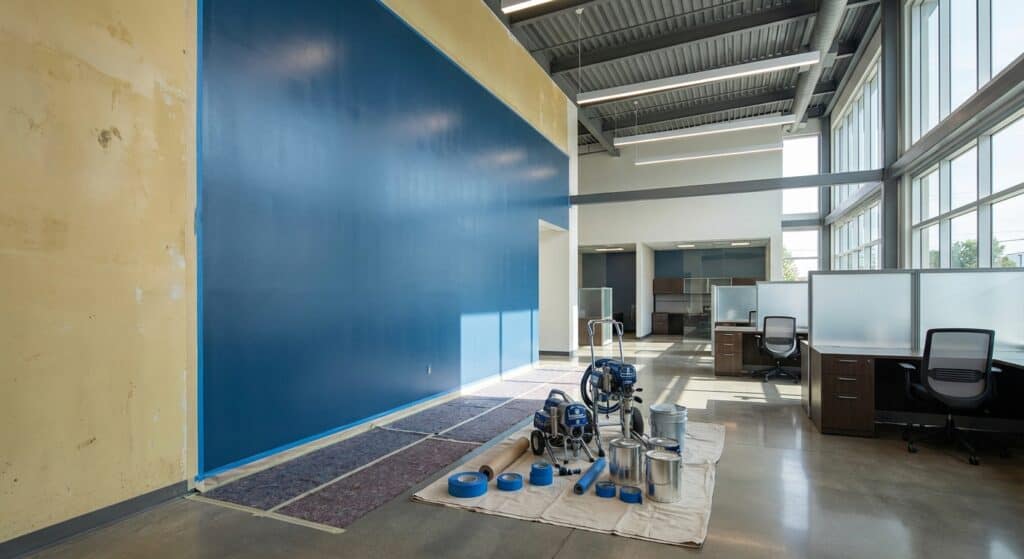
When you engage professional painters, understanding the typical process helps ensure a smooth and predictable experience. From the initial consultation to the final touch-ups, each stage is designed to deliver a high-quality finish efficiently and with minimal disruption. Professional painters follow a structured methodology that prioritizes preparation, meticulous application, and thorough cleanup, ensuring your home is left looking its best. Familiarizing yourself with these steps allows you to communicate effectively with your chosen painting team.

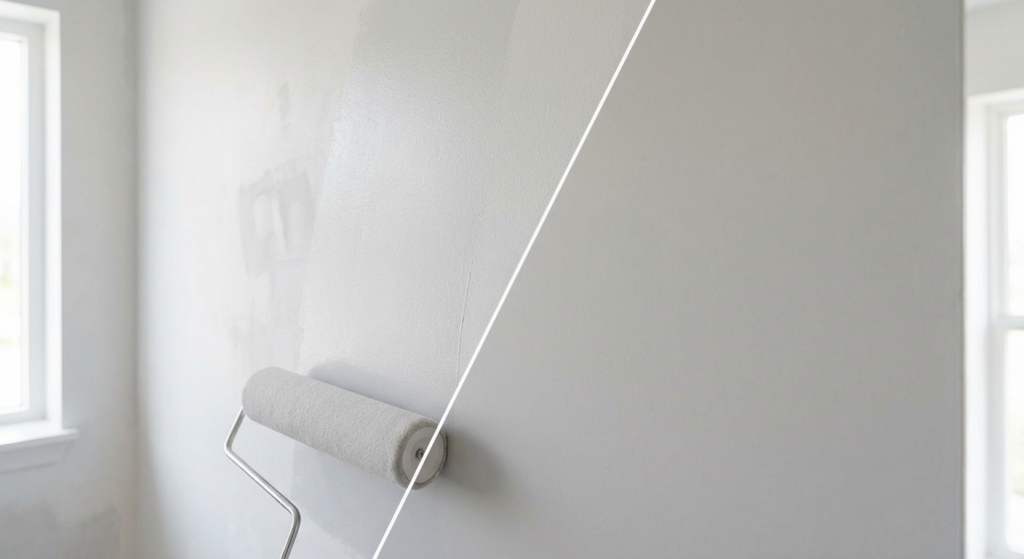
The journey begins with a detailed assessment and estimate, followed by meticulous surface preparation. This critical phase involves cleaning, sanding, repairing any imperfections, and applying primer where necessary to ensure optimal adhesion and a uniform color. Once preparation is complete, the painting itself commences, often starting with the larger areas and then moving to more detailed work like trim and accents. Throughout the process, painters aim for clean lines and even coverage.
Finally, after the main coats are applied, the team will conduct a thorough cleanup, removing all equipment and debris, and performing any necessary touch-ups to ensure a flawless finish. They will then walk through the completed project with you to ensure your complete satisfaction. Understanding this standard procedure, from initial planning to final inspection, empowers homeowners to have clear expectations and a positive experience with their painting service. Knowing about how to prepare for professional painters can streamline this entire process.
- Initial Consultation and Estimate. Discussing your project needs, scope, and receiving a detailed quote.
- Surface Preparation. Cleaning, scraping, sanding, patching, and priming surfaces for optimal paint adhesion.
- Priming. Applying a coat of primer to seal surfaces and ensure even color application.
- Main Coat Application. Applying the primary color coats, often starting with larger areas.
- Detail Work. Painting trim, doors, windows, and other intricate details.
- Touch-Ups. Addressing any minor imperfections or missed spots.
- Cleanup. Removing all tools, materials, and debris, leaving the space tidy.
- Final Inspection. A walkthrough with the homeowner to ensure satisfaction with the completed work.
When to Paint Your House in Edmonton. Best Seasons
The climate in Edmonton presents unique challenges and opportunities for house painting projects. Timing your painting project strategically can significantly impact the quality, durability, and overall success of the finish. While interior painting can often be done year-round, exterior painting is highly dependent on weather conditions. Understanding the seasonal nuances is key to achieving optimal results that will last.
Exterior painting is best undertaken during periods of moderate temperatures and low humidity. Spring and summer generally offer the most favorable conditions, with warmer days and less precipitation, allowing paint to cure properly. However, even within these seasons, specific considerations apply. For instance, late summer can offer stable weather patterns before the onset of colder temperatures, while spring offers a fresh start after winter.
Seasonal Painting Considerations
Choosing the right season for your painting project is crucial for ensuring the longevity and aesthetic quality of the finish. Different times of the year present distinct advantages and disadvantages that can affect paint application and curing.
| Season | Temperature Range (°C) | Humidity Level | Precipitation | Best For | Considerations |
|---|---|---|---|---|---|
| Spring (April-May) | 5 – 15 | Moderate | Possible Showers | Exterior priming & painting | Cooler mornings, potential for unexpected rain. |
| Summer (June-August) | 15 – 25+ | Low to Moderate | Low | Exterior painting, ideal curing conditions | Long daylight hours, but can be too hot midday. Check why summer is best for exterior painting. |
| Fall (September-October) | 0 – 10 | Moderate | Decreasing | Exterior touch-ups & interior painting | Cooler, shorter days. Risk of frost increases later in the season. |
| Winter (November-March) | Below 0 | Varies | Snow/Ice | Interior painting only | Requires controlled indoor environments. Exterior painting is not feasible. |
Finding the Best House Painting Company in Edmonton
Selecting a reputable and skilled house painting company is paramount to achieving a professional and lasting finish. In Edmonton, homeowners should look for companies that demonstrate a strong commitment to quality, customer satisfaction, and expertise in handling the unique challenges of the local climate. A thorough vetting process will help you identify a team that not only meets your aesthetic goals but also provides a reliable and efficient service.
Key qualities to seek in a painting company include extensive experience, a portfolio of successful projects, positive customer reviews, and proper licensing and insurance. A company that offers detailed quotes, clear communication throughout the process, and stands behind their work with a warranty provides greater peace of mind. Don't hesitate to ask for references and thoroughly review their credentials before making a decision.
- Experience and Expertise. Proven track record in residential painting.
- Portfolio and Reviews. Demonstrable quality of work and satisfied clients.
- Licensing and Insurance. Protection for you and the painters.
- Clear Communication. Responsiveness and transparency throughout the project.
- Detailed Estimates. Comprehensive quotes outlining scope, materials, and costs.
- Warranty or Guarantee. Assurance of quality and long-term satisfaction.
Conclusion. Your Next Steps for a Beautiful Home
Completing your house painting checklist is a significant step towards achieving a beautifully refreshed home. By understanding the importance of preparation, choosing the right professionals, selecting appropriate materials, and timing your project wisely, you pave the way for a stunning and durable outcome. Remember that a well-executed paint job is an investment that enhances your home’s curb appeal, protects its surfaces, and contributes to its overall value.
Taking the next steps involves putting your plan into action. Whether you're opting for a DIY approach or entrusting the job to experts, clarity on the process and materials is key. Consider the insights gained from understanding paint types for different climates and the benefits of professional painting services. With careful planning and execution, your home will be transformed into a space you can be proud of for years to come.
Frequently Asked Questions About Edmonton House Painting
| Question | Helpful Answer |
|---|---|
| How do I prepare my home for exterior painting? | Thorough preparation is key. This involves cleaning the surfaces, scraping away old or peeling paint, sanding rough areas, and applying a quality primer. Ensure all areas are dry before painting begins. Understanding surface preparation is vital. |
| What is the best time of year to paint the exterior of my house? | The ideal time for exterior painting is generally during the warmer months with moderate temperatures and low humidity. Spring and summer offer the best conditions for paint to cure properly, but it's important to avoid extreme heat or direct, harsh sunlight during application. Consulting guides on seasonal painting can provide more specific advice. |
| How much does house painting typically cost? | House painting costs vary based on factors like the size of the home, the complexity of the job, the quality of paint chosen, and labor rates. Exterior jobs are often more expensive than interior ones due to materials and preparation needs. You can explore a detailed cost breakdown and learn about the steps to get an accurate quote. |
| Should I use latex or oil-based paint for my home's exterior? | For exterior applications, latex-based paints are generally preferred for their flexibility, durability, and ease of cleanup. They are better suited to handle temperature fluctuations and are more resistant to cracking and peeling. Oil-based paints may offer a harder finish but can become brittle over time. Understanding the pros and cons of different paint types is essential for making the right choice. |
| What are the benefits of hiring professional painters? | Hiring professionals ensures a high-quality finish, saves you time and effort, and provides access to expert knowledge about materials and techniques. They are also typically insured, offering peace of mind. Professionals can efficiently handle the entire process, from preparation to cleanup, delivering superior results compared to most DIY attempts. Learn more about why hiring professionals saves you money. |