Edmonton Exterior Painting Essentials
Ensuring your home's exterior is well-maintained is crucial, especially in a climate like Edmonton's. Professional exterior painting provides a protective layer against the elements while significantly enhancing curb appeal. Timing and preparation are key to a durable and beautiful finish, making it essential for homeowners to understand the best practices for these projects.
The right exterior paint job not only preserves your home's structure but also contributes to its overall value. Considering the unique challenges posed by seasonal changes in the region, choosing a reputable painting service is paramount for achieving lasting results. This guide will walk you through the essential considerations for successful exterior painting projects.
Understanding the nuances of exterior painting services and how they contribute to Edmonton home improvements will empower you to make informed decisions. From selecting the right time of year to understanding the painting process, this guide aims to provide comprehensive insights for every homeowner.
Why Choose Professional Exterior Painting in Edmonton?
Opting for professional exterior painting services in Edmonton offers numerous advantages over a DIY approach. Professionals bring expertise, specialized equipment, and a deep understanding of local climate challenges, ensuring a superior and longer-lasting finish. While DIY painting might seem cost-effective initially, the potential for errors, time investment, and the need for costly touch-ups often make professional services a more valuable investment in the long run. Our team possesses hands-on experience with professional exterior painting, understanding precisely what it takes to achieve outstanding results in this specific region.
| Feature | DIY Exterior Painting | Professional Exterior Painting |
|---|---|---|
| Cost | Lower upfront material costs, but potential for hidden expenses. | Higher initial investment, but overall better value and longevity. |
| Time Commitment | Significant time investment, often spread over weekends. | Project completed efficiently within a scheduled timeframe. |
| Skill & Expertise | Limited by individual skill and knowledge. | Experienced professionals with proven techniques and knowledge. |
| Equipment | Requires rental or purchase of specialized tools. | All necessary professional-grade equipment is provided. |
| Quality & Durability | Varies greatly; potential for mistakes impacts finish. | Consistent, high-quality finish that withstands elements. |
| Warranty & Guarantee | None; any issues are your responsibility. | Often includes a warranty for peace of mind and future support. |
Choosing professional exterior painters in Edmonton means investing in quality and durability. While the cost of exterior painting in Edmonton can vary, the peace of mind and the lasting aesthetic appeal provided by experts are invaluable. For homeowners seeking to protect and beautify their property, professional services offer a clear path to success. Consider exploring options for commercial exterior painters in Edmonton if you own a business property as well.
Edmonton Exterior Painting. What to Expect from the Process
Embarking on an exterior painting project involves several key stages designed to ensure a flawless and durable finish. The process typically begins with an initial consultation to discuss your needs, preferences, and the scope of work. Following this, a thorough assessment of your home's exterior surfaces is conducted to identify any necessary repairs or preparation steps.
Initial Consultation and Detailed Assessment
The journey to a beautifully painted exterior starts with a comprehensive consultation. During this phase, our experts discuss your vision, provide an accurate estimate, and outline the project timeline. We then conduct a detailed on-site assessment, meticulously examining your home's surfaces for any signs of wear, damage, or areas requiring special attention. This includes checking for peeling paint, rot, or mildew, all of which must be addressed before painting can begin.
Surface Preparation and Repair
Proper surface preparation is arguably the most critical step in achieving a lasting paint job. This stage involves thorough cleaning of the exterior to remove dirt, grime, and chalking paint, followed by necessary repairs to siding, trim, or soffits. We meticulously scrape away any loose paint, sand surfaces for optimal adhesion, and prime bare wood or problematic areas. This careful attention to detail ensures the new paint adheres correctly and provides maximum protection against the elements. For more on preparing your home, consult our guide on how to prepare for professional painters.
Expert Application and Finishing Touches
Once surfaces are perfectly prepared, our skilled painters apply the chosen paint with precision and care. We utilize high-quality paints and advanced techniques to ensure even coverage and a beautiful finish. This includes careful application around windows, doors, and architectural details. Finally, after the paint has cured, a thorough cleanup of the work area is performed, leaving your property looking refreshed and immaculate. Understanding the different paint finishes available can also help in selecting the best option for your home's exterior.
Factors Affecting Exterior Painting Costs in Edmonton
Several factors influence the overall cost of exterior painting projects in Edmonton. Understanding these elements can help homeowners budget effectively and make informed decisions. The size and complexity of the home are primary drivers; larger homes naturally require more paint and labor. Intricate architectural details, such as numerous gables, dormers, or decorative trim, also increase the labor involved and, consequently, the cost.
The condition of the existing surfaces plays a significant role. Homes requiring extensive repair work, such as fixing rotten wood, scraping peeling paint, or power washing stubborn dirt and mildew, will incur higher preparation costs. The type and quality of paint selected also impact the budget, with premium paints offering greater durability and weather resistance at a higher price point. Accessibility is another key consideration; homes with steep pitches, multiple stories, or difficult-to-reach areas may require specialized equipment like scaffolding or lifts, adding to the overall expense. Finally, the time of year can sometimes affect pricing, with peak seasons potentially having slightly higher rates due to demand.
Here are some key factors influencing the cost of exterior painting in Edmonton.
- Home Size and Square Footage. Larger homes require more paint and labor.
- Architectural Complexity. Homes with many details, angles, and trim increase labor time.
- Surface Condition and Repair Needs. Extensive scraping, sanding, priming, or repairs add to the cost.
- Paint Quality and Type. Premium paints and specialty coatings are more expensive but offer better performance.
- Accessibility and Height. Steep roofs, multiple stories, or difficult-to-access areas necessitate specialized equipment and more time.
- Preparation Requirements. Thorough cleaning, power washing, and mildew removal are essential for longevity.
- Color Changes. Drastic color changes may require additional coats or specialized primers.
When considering the cost of exterior painting in Edmonton, it's essential to get detailed quotes that outline all services included. Opting for professional exterior painters in Edmonton ensures that these factors are managed professionally. Exploring Edmonton house painting checklist can also provide insights into what's involved in a project.
Choosing the Right Exterior Paint Colors for Your Edmonton Home
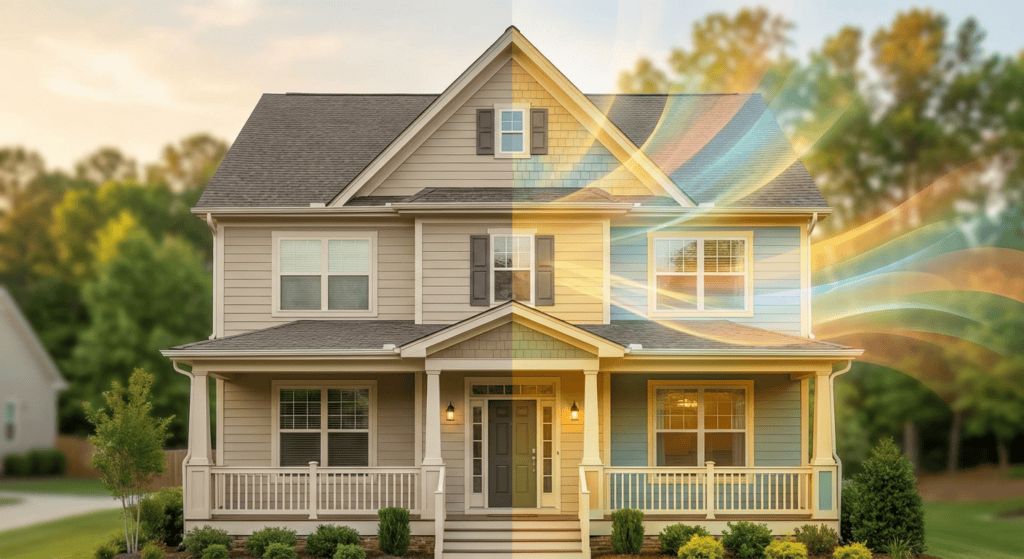
Selecting the perfect exterior paint colors for your Edmonton home is a crucial step that blends aesthetic appeal with practical considerations for the local climate. While personal style plays a significant role, it's also wise to consider how colors will interact with natural light throughout the day and the surrounding environment. Neutral tones like grays, beiges, and off-whites are timeless choices that offer broad appeal and blend well with various architectural styles.
For a bolder statement, consider deep blues, greens, or even warm earth tones. When choosing finishes, opt for durable exterior paints designed to withstand temperature fluctuations and UV exposure. A satin or semi-gloss finish on trim can add definition and is generally easier to clean than a flat finish. Remember that colors can appear different on a larger surface than they do on a small sample chip, so testing large swatches on your home is highly recommended.
Here are some considerations for choosing exterior paint colors in Edmonton.
- Consider the climate. Lighter colors can help reflect sunlight, keeping the house cooler in summer, while darker colors absorb heat, which can be beneficial in winter.
- Harmonize with surroundings. Choose colors that complement your home's architectural style and landscape.
- Test colors in different lights. View paint samples at various times of the day to see how they look in direct sun, shade, and artificial light.
- Think about the roof and trim. Ensure your chosen body color complements the color of your roof, windows, and any existing trim.
- Explore current trends. While classic colors are always safe, consider contemporary trends for a modern look.
Understanding how to choose the right exterior paint for Edmonton's climate is key to a long-lasting and beautiful result. Popular choices for Edmonton house exterior painting often include earthy tones and classic neutrals. For inspiration on interior colors that might influence exterior choices, see our guide on top interior paint color trends.
When is the Best Time for Exterior Painting in Edmonton?
Determining the optimal time for exterior painting in Edmonton is critical for ensuring the longevity and quality of the finish. The region's climate presents unique challenges, with significant temperature swings and distinct seasons. Generally, the prime seasons for exterior painting are late spring, summer, and early fall. During these periods, temperatures are typically mild, and humidity levels are more favorable for paint application and curing.

Ideal conditions involve moderate temperatures, typically between 10°C and 25°C, with low humidity. It’s also important to avoid painting immediately before or after rain, as moisture can compromise adhesion. Consistent dry weather for at least 24-48 hours after painting is essential for the paint to cure properly. Early fall can also be a good time, provided temperatures remain above freezing and humidity is low.
Here’s a breakdown of the ideal seasons and conditions for exterior painting in Edmonton.
- Late Spring (May to June). Temperatures begin to stabilize, offering mild days and lower humidity. This is an excellent time to get ahead of the summer heat.
- Summer (July to August). Generally the warmest and driest months, providing ideal conditions for paint to cure quickly. However, be mindful of potential heat waves that might require adjustments to application times.
- Early Fall (September to early October). Temperatures are still moderate, and humidity is often low. It's crucial to monitor weather forecasts closely to ensure painting is completed before the first hard frosts.
Understanding the impact of weather on exterior painting in Edmonton is crucial for project success. The summer painting advantage is significant, with July often cited as the best month. Planning for late-summer home painting projects can also be a smart move to enhance curb appeal before autumn arrives. For general advice, our Edmonton house painting checklist covers many preparation and timing aspects.
Preparing Your Home for Exterior Painting
Proper preparation is the cornerstone of a successful and long-lasting exterior paint job. Before any paint is applied, ensuring your home's surfaces are clean, sound, and ready for a new coating is paramount. This involves a series of steps that not only enhance the paint's adhesion but also protect your property and surrounding landscape throughout the painting process. A well-prepared home leads to a smoother painting experience and a more beautiful, durable finish.
"Proper surface preparation is the single most important factor in ensuring the longevity and aesthetic quality of any exterior paint job."
The initial step involves thoroughly cleaning the exterior surfaces to remove dirt, mildew, chalking paint, and other contaminants. This might involve power washing or manual scrubbing, depending on the type and severity of the soiling. Following cleaning, any loose or peeling paint must be scraped and sanded away, creating a smooth transition to sound paint. Bare wood or metal surfaces should then be primed to ensure proper adhesion and to seal the substrate. Addressing any minor repairs, such as filling small holes or caulking gaps around windows and doors, is also critical at this stage to prevent moisture intrusion. For a comprehensive overview, review our guide on how to prepare for professional painters.
Cleaning and Power Washing Surfaces
A clean surface is fundamental for paint adhesion. Before any scraping or sanding begins, a thorough cleaning of the exterior is essential. This process removes accumulated dirt, grime, cobwebs, and potential mildew or algae that could interfere with paint application and longevity. Power washing is often the most efficient method for tackling extensive dirt and buildup on siding, decks, and driveways. It’s important to use the correct pressure and nozzle type to avoid damaging the underlying material, especially on older or softer surfaces.
Scraping, Sanding, and Priming
Once the surfaces are clean and dry, the next critical step is to address any failing paint. Loose, peeling, or bubbling paint must be meticulously scraped away down to a sound surface. Following scraping, sanding is employed to feather the edges of the remaining paint, creating a smooth transition and preventing visible lines under the new coat. Areas where paint has been removed entirely, exposing bare wood or metal, require priming. A high-quality exterior primer seals the surface, improves adhesion, and provides a uniform base for the topcoat, ensuring a more even color and a more durable finish. This preparation is key to achieving results outlined in our Edmonton house painting checklist.
Addressing Repairs and Caulking
Beyond paint removal, identifying and rectifying any structural issues is vital before painting begins. This includes repairing or replacing any rotten wood, fixing minor siding damage, and ensuring gutters and downspouts are secure. Caulking is another essential preparation task. Gaps and cracks around windows, doors, trim, and joints can allow moisture to penetrate, leading to rot and paint failure. Using a high-quality exterior caulk to seal these openings creates a weather-tight barrier, protecting the home's structure and ensuring the new paint job lasts longer. Understanding the DIY vs. pro approach to painting mistakes highlights the importance of these detailed preparation steps.
Finding a Reputable Exterior Painting Contractor in Edmonton
Selecting a reputable exterior painting contractor in Edmonton is crucial for a successful and stress-free project. A qualified professional will not only deliver high-quality workmanship but also ensure the project is completed safely and efficiently. When searching for painters, look for companies with a proven track record, positive client testimonials, and a clear understanding of the specific challenges presented by the local climate.
Verify that the contractor is licensed and insured, providing protection for both you and their crew. Request detailed written estimates that clearly outline the scope of work, materials to be used, timeline, and payment schedule. Don't hesitate to ask for references from previous clients and check online reviews to gauge their reputation. A good contractor will be communicative, transparent, and willing to answer all your questions, ensuring you feel confident in their ability to handle your Edmonton home exterior painting needs. Seeking out professional exterior painters in Edmonton can save you time and ensure a superior finish.
Get Your Edmonton Exterior Painting Project Started
Ready to enhance your home's curb appeal and protect your investment with a fresh coat of paint? Taking the first step is easier than you think. Whether you're looking for a complete exterior transformation or just need to refresh your home's current look, our team is here to help. We specialize in providing top-tier exterior painting services tailored to the unique demands of the Edmonton climate.
Don't let another season pass with a weathered exterior. Reach out to us today to schedule a consultation and receive a comprehensive, no-obligation quote for your Edmonton exterior house painting project. Our experienced professionals are dedicated to delivering exceptional results that you'll be proud of for years to come. Let us help you achieve the beautiful, durable finish your home deserves. Contact us to discuss your project and discover the Phoenix Painting difference.
Frequently Asked Questions About Edmonton Exterior Painting
| Question | Helpful Answer |
|---|---|
| What is the best time of year for exterior painting in Edmonton? | The best times for exterior painting in Edmonton are generally from late spring through early fall, typically May to October. This period offers the most stable weather conditions with moderate temperatures and lower humidity, which are crucial for proper paint adhesion and curing. It's advisable to avoid painting during extreme heat, high humidity, or when frost is imminent. |
| How long does an exterior painting project typically take? | The duration of an exterior painting project can vary significantly depending on the size of the home, the complexity of the architecture, the condition of the existing surfaces, and the scope of repairs needed. Smaller homes might take a few days, while larger or more intricate properties could take one to two weeks or more. Professional painters aim for efficiency while ensuring thorough preparation and application. |
| What factors influence the cost of exterior painting? | Key factors influencing exterior painting costs include the total square footage of the area to be painted, the height and accessibility of the home, the amount of surface preparation and repair required (e.g., scraping old paint, wood rot repair), the quality of paint used, and the complexity of the architectural details. Get detailed quotes from contractors to understand all cost components. |
| Do I need to be home while the painters are working? | While it's not always necessary for you to be present the entire time, it's good practice to be available for initial consultations, key decision points, and the final walkthrough. Ensure clear communication with the painting crew about access to your property and any specific instructions you may have. Professional painters are experienced in working independently and safely. |
| How should I prepare my home for exterior painters? | Before painters arrive, it's recommended to clear the area around your home. This includes moving patio furniture, grills, planters, and any other items away from the house. Trim back any overgrown bushes or trees that might obstruct access. Secure any items that cannot be moved, like sensitive decorations or light fixtures. Informing painters of any specific concerns you have is also helpful. |