Exterior Paint Color Psychology What Your Home Says
Understanding exterior paint color psychology can transform how a home is perceived, influencing everything from curb appeal to potential buyer interest. The colors chosen for the exterior of a house are more than just aesthetic decisions; they communicate messages about the homeowners, the property's character, and even its perceived value. Making informed choices about exterior hues can significantly enhance a home's aesthetic and emotional impact, ensuring it stands out for all the right reasons.
When selecting exterior paint, consider how different shades evoke specific feelings and associations. A well-chosen palette can create a welcoming atmosphere, convey a sense of luxury, or even suggest a particular architectural style. For homeowners looking to boost their property's charm, exploring the nuances of exterior house color psychology is a vital step. This exploration often leads to a deeper appreciation for the lasting impact of professional house painting services.
The careful application of color is a cornerstone of enhancing a home's visual appeal and can contribute to its overall marketability. By understanding the psychological effects of various colors, homeowners can make strategic decisions that align with their personal style and potential resale goals. This thoughtful approach to exterior painting ensures a cohesive and attractive exterior that resonates with observers.
The Psychology Behind Exterior Paint Colors
The psychological impact of exterior paint colors is profound, affecting how a home is perceived by both residents and visitors alike. Colors have the power to evoke emotions, influence moods, and even communicate subconscious messages about the property and its inhabitants. For instance, warm colors like reds and oranges can convey energy and warmth, while cooler tones such as blues and greens often suggest calmness and stability.
Delving into exterior paint color psychology reveals that these choices can significantly influence a home's perceived value and appeal. A strategic color palette can highlight architectural features, blend harmoniously with the surrounding landscape, or make a bold statement. Professionals understand that beyond aesthetics, the right color choice contributes to a home's overall personality and its ability to connect with potential buyers. Exploring exterior painting tips can provide valuable insights into making these impactful decisions.
Understanding the Impact of Different Colors
Choosing the right exterior paint colors involves understanding how various hues affect perception and mood. Each color category carries its own psychological weight, influencing how viewers feel about a home and its presence in the neighborhood. Beyond personal preference, the strategic use of color can enhance architectural details, create a sense of harmony, or establish a distinct identity for the property. Exploring the nuances of exterior house color psychology is crucial for any homeowner aiming to make a lasting impression.
The Emotional Resonance of Neutrals and Earth Tones
Neutral and earth-toned exterior paints, such as beige, cream, gray, and soft browns, offer a timeless appeal that resonates with a sense of stability and grounding. These colors are often chosen for their versatility and ability to complement a wide range of architectural styles and landscaping. The subtle nature of these hues allows the home's design and its natural surroundings to take center stage, creating a harmonious and understated elegance. Many homeowners opt for these shades due to their broad appeal and the sense of calm they project, making them a safe yet sophisticated choice for exterior painting projects.
The enduring popularity of neutrals in exterior paint color psychology stems from their ability to evoke feelings of comfort, reliability, and tranquility. They provide a serene backdrop that can be easily enhanced with contrasting trim colors or vibrant landscaping. For those looking to create a welcoming and approachable facade, these grounded tones are an excellent starting point, contributing to a home's overall inviting atmosphere.
The Bold Statements of Bright and Saturated Hues
Bright and saturated colors, such as vibrant blues, rich greens, sunny yellows, and bold reds, make a powerful statement, conveying energy, personality, and distinctiveness. These hues are often chosen by homeowners who wish for their property to stand out and reflect a dynamic spirit. While less common for entire exteriors due to their intensity, they can be effectively used for accents, doors, or specific architectural features to add character and visual interest.
The psychological impact of these strong colors can be exhilarating and memorable, creating a focal point that captures attention. However, their application requires careful consideration to ensure they complement the home's style and its environment, rather than overwhelming it. Understanding the principles of exterior house color psychology is key to leveraging these vibrant shades effectively for home exterior painting.
The Classic Appeal of Whites and Off-Whites
Whites and off-whites are perennial favorites in exterior paint choices, embodying cleanliness, simplicity, and a sense of spaciousness. These colors offer a crisp, classic look that highlights architectural details and can make a home appear larger and brighter. Their versatility allows them to pair well with virtually any trim color or landscaping element, providing a clean canvas that never goes out of style.
The psychological association with white often includes purity, clarity, and a fresh start, contributing to a welcoming and well-maintained appearance. While a pure white can sometimes feel stark, off-white shades with subtle undertones of yellow, gray, or beige offer a softer, more approachable warmth. Choosing the right shade of white is a fundamental aspect of exterior paint color psychology and is key to achieving a polished and inviting home exterior.
The Sophistication of Grays and Charcoals
Grays and charcoals exude sophistication, modernity, and a sense of understated elegance on exterior surfaces. These deep, grounding tones offer a contemporary alternative to traditional colors, providing a sleek and polished look. They are particularly effective at masking dirt and wear, making them a practical choice for homeowners seeking durability and a refined appearance.
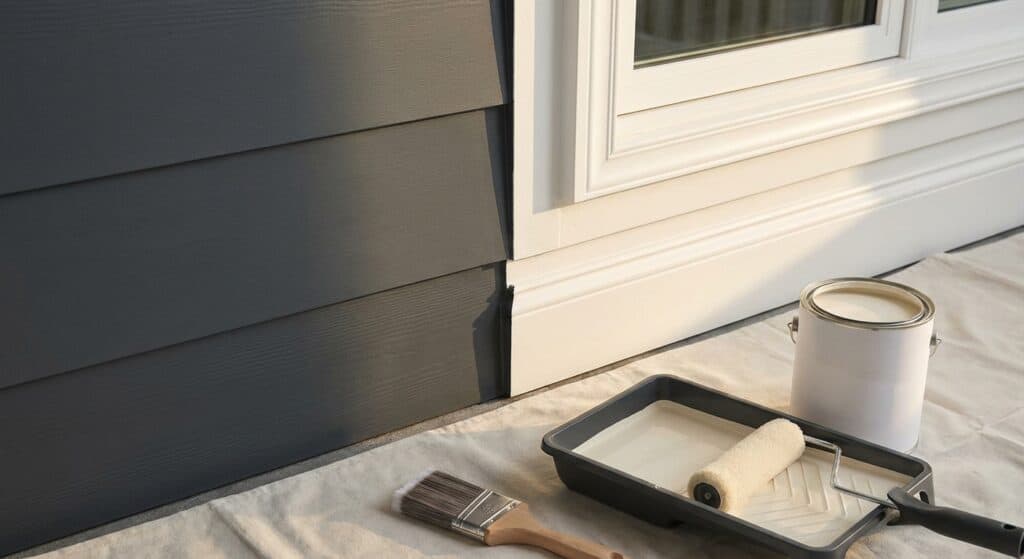
The psychological impact of grays can range from calming and stable to dramatic and powerful, depending on the specific shade and its undertones. They serve as an excellent neutral base that allows for bold accent colors or can stand alone for a minimalist aesthetic. Integrating these shades into home painting projects requires an understanding of their versatility within the broader context of exterior paint color psychology.
The Subtle Influence of Blues and Greens
Blues and greens on exterior facades evoke feelings of tranquility, nature, and stability, connecting the home to its environment. Blues can range from serene sky tones to deep, sophisticated navy, each offering a unique emotional resonance. Greens, similarly, can span from fresh, grassy hues to deep, forest shades, suggesting growth, harmony, and natural beauty.
These colors are often associated with peace and calmness, creating an inviting and reassuring presence for a home. They work particularly well in natural settings, blending seamlessly with landscapes and creating a sense of belonging. When considering exterior paint color psychology, blues and greens are excellent choices for homeowners aiming to create a serene and welcoming atmosphere for their property, enhancing its overall curb appeal through thoughtful exterior painting.
| Common Exterior Paint Color | Psychological Impact | Associated Feelings | Impact on Curb Appeal | Potential Value Impact |
|---|---|---|---|---|
| Light Gray | Sophistication, Modernity, Calm | Calm, Neutral, Chic | Moderate to High | Can be seen as modern and well-maintained |
| Creamy White | Warmth, Classic, Welcoming | Comfort, Purity, Approachable | High | Classic appeal often translates to good resale value |
| Deep Navy Blue | Stability, Trust, Depth | Trustworthy, Serene, Bold | High | Conveys a sense of permanence and quality |
| Forest Green | Nature, Harmony, Peace | Calm, Grounded, Natural | High | Blends well with surroundings, creating a serene look |
| Warm Beige | Earthy, Stable, Welcoming | Comfort, Reliability, Cozy | Moderate | Timeless appeal, suggests a solid, comfortable home |
| Charcoal Gray | Elegance, Strength, Modernity | Sophisticated, Bold, Dramatic | High | Creates a strong, contemporary impression |
| Soft Yellow | Optimism, Cheerfulness, Energy | Happy, Inviting, Lively | Moderate to High | Can make a home feel more approachable and bright |
How Exterior Color Affects Curb Appeal and Home Value
The colors chosen for a home's exterior play a crucial role in its overall curb appeal and can significantly influence its perceived market value. A well-selected color palette can make a property more inviting, highlight its architectural features, and create a positive first impression that resonates with potential buyers. Understanding the nuances of exterior paint color psychology is therefore essential for homeowners looking to enhance their home's attractiveness and marketability.
The impact of color extends beyond mere aesthetics; it influences emotional responses and associations. For instance, certain colors might make a house feel larger, more grounded, or more vibrant. When preparing a home for sale, strategic color choices can distinguish it from neighboring properties and attract more interest. This is where professional insights into exterior house color psychology become invaluable for maximizing return on investment.
Here are some ways exterior colors can impact curb appeal and home value:
- First Impressions Matter: Lighter, brighter, or classic colors often create an immediate sense of welcome and upkeep, which are key to strong curb appeal. Exterior painting services can ensure a flawless finish that amplifies these positive first impressions.
- Architectural Accents: Using contrasting or complementary colors for trim, doors, and shutters can accentuate a home's unique architectural details, adding depth and character. This strategic use of color makes the home more visually interesting.
- Neighborhood Harmony: While standing out is good, colors that clash drastically with the surrounding neighborhood can be a detractor. Harmonizing with the general palette of the area while maintaining individuality is often a good strategy for resale value.
- Perceived Value: Certain color combinations are subconsciously associated with higher quality or better maintenance. For example, a meticulously painted home in a sophisticated palette might be perceived as more valuable than one with faded or poorly chosen colors.
- Timelessness vs. Trendiness: While trendy colors can be exciting, classic and neutral palettes tend to have broader appeal and hold their value better over time. Understanding exterior paint color psychology helps balance current tastes with enduring appeal.
Choosing the Right Exterior Paint Colors for Your Home
Selecting the perfect exterior paint colors is a significant decision that impacts your home's appearance and the message it conveys. It’s a process that blends personal taste with practical considerations, aiming to create an aesthetic that is both pleasing and enduring. The right color choices can enhance architectural features, harmonize with the surrounding environment, and contribute positively to your home's overall value. Understanding the principles of exterior house color psychology provides a framework for making these important decisions effectively.
When embarking on this process, several factors should guide your selection to ensure a cohesive and attractive outcome. Professional painters often recommend considering the following elements to achieve the best results for your exterior painting project.
- Architectural Style: Different architectural styles lend themselves to specific color palettes. For example, a Victorian home might suit richer, more varied colors, while a modern home often looks best in sleek neutrals or bold, simple combinations.
- Neighborhood Context: Observe the prevailing color schemes in your neighborhood. While you want your home to stand out, it should also complement its surroundings rather than clash with them. A harmonious integration can boost overall street appeal.
- Environmental Factors: Consider the natural light your home receives throughout the day and year. Colors can appear very different under varying light conditions. Also, think about how colors will interact with your landscape – greens and blues often complement natural surroundings well.
- Material Finishes: The colors of your roof, brickwork, stone, or other permanent materials should be taken into account. Your chosen paint colors should harmonize with these existing elements.
- Personal Preference and Longevity: Ultimately, you want to choose colors you love. However, considering the long-term appeal and potential resale value, as guided by exterior paint color psychology, is also wise.
The Role of Light and Environment in Color Perception
The way exterior paint colors are perceived is heavily influenced by environmental factors, most notably light and the surrounding landscape. Natural light, in particular, plays a dynamic role, altering how a color appears throughout the day and under different weather conditions. What looks like a warm, inviting beige in the morning sun might appear cooler and more muted under cloudy skies.
Understanding this interplay is a key component of exterior paint color psychology. The color of your roof, the surrounding trees, the shade of neighboring houses, and even the hue of your driveway can all subtly affect how your chosen paint colors present themselves. This is why experienced painters emphasize the importance of viewing paint samples at different times of day and in various lighting conditions before committing to a final choice for your home painting project.
Furthermore, the environmental setting can inform color choices to create harmony or contrast. A home nestled in a lush, green landscape might benefit from earthy tones or colors that echo the natural palette, fostering a sense of integration. Conversely, a home in a more minimalist or urban setting might use bolder colors to create a striking visual statement. Considering these elements ensures that your exterior house color psychology choices are not only aesthetically pleasing but also contextually appropriate and enduring. Exploring resources on exterior painting best practices can offer further insights into making these critical decisions.
Common Mistakes to Avoid in Exterior Color Selection
Having served homeowners in the broader region for years, we've observed that common mistakes in exterior color selection often stem from overlooking the subtle yet significant impact these choices have. One frequent pitfall is selecting colors based solely on current trends without considering the home's architectural style or its integration with the neighborhood. This can lead to a home that feels out of place or quickly becomes dated.
Another common error is not accounting for how light affects color perception. A color that looks perfect on a small paint chip under artificial light may appear drastically different once applied to an entire exterior surface in natural sunlight. This oversight can result in disappointment, as the color might be too intense, too dull, or have an unexpected undertone. Mastering exterior paint color psychology involves understanding these visual dynamics and planning accordingly for successful house painting.
Additionally, homeowners sometimes neglect to consider the permanent elements of their home, such as the roof, brickwork, or landscaping. The chosen paint colors should complement these features, not compete with them. Failing to harmonize with existing materials can create a jarring aesthetic and detract from the home's overall appeal. Professionals recommend carefully evaluating how potential paint colors interact with these fixed elements to ensure a cohesive and attractive result for any exterior painting job. It's also wise to avoid selecting colors that are too similar to immediate neighbors, as this can diminish the uniqueness and character of your property.
Conclusion
Understanding exterior paint color psychology is a powerful tool for enhancing your home's appeal, reflecting your personal style, and potentially increasing its value. The colors you choose communicate a unique message, influencing perceptions of your home's character, warmth, and overall aesthetic. By carefully considering the psychological impact of different hues, architectural styles, and environmental factors, you can make informed decisions that lead to a beautiful and enduring exterior.
Whether you opt for the calming influence of blues and greens, the timeless elegance of neutrals, or the bold statement of vibrant colors, the right palette can transform your property. For those seeking to achieve a professional finish and a color scheme that truly stands out, consulting with experienced painters can provide invaluable guidance. They can help navigate the complexities of exterior house color psychology and ensure your home painting project results in a stunning transformation that you'll love for years to come. Investing in quality exterior painting is an investment in your home's curb appeal and its lasting impression.
Frequently Asked Questions About Exterior Paint Color Psychology
| Question | Helpful Answer |
|---|---|
| What is exterior paint color psychology? | Exterior paint color psychology is the study of how different colors used on the outside of a home affect people's perceptions, emotions, and overall impression of the property. It explores the psychological associations linked to various hues and how they can influence curb appeal and perceived value. |
| How do exterior paint colors affect home value? | The right exterior colors can significantly boost a home's curb appeal, making it more attractive to potential buyers and potentially leading to a higher sale price. Neutrals and classic colors often have broad appeal, while bold or unique choices can make a home stand out, for better or worse, depending on execution and neighborhood context. |
| Should I consider my neighborhood when choosing exterior paint colors? | Yes, it's generally advisable to consider your neighborhood context. While you want your home to have its own unique character, colors that are drastically out of sync with the surrounding homes might be a deterrent. Aim for a palette that complements the area while still reflecting your personal style. |
| How does natural light impact exterior paint colors? | Natural light greatly affects how paint colors appear. A color can look different in bright morning sun compared to shade or evening light. It's crucial to test paint samples on your home's exterior at various times of the day to see how the color truly looks in different lighting conditions. |
| Are there specific colors that are best for resale value? | While tastes vary, neutral colors like grays, beiges, whites, and muted blues or greens are often considered safe bets for resale value due to their broad appeal and timeless quality. They create a welcoming and well-maintained impression without being overly polarizing. |